
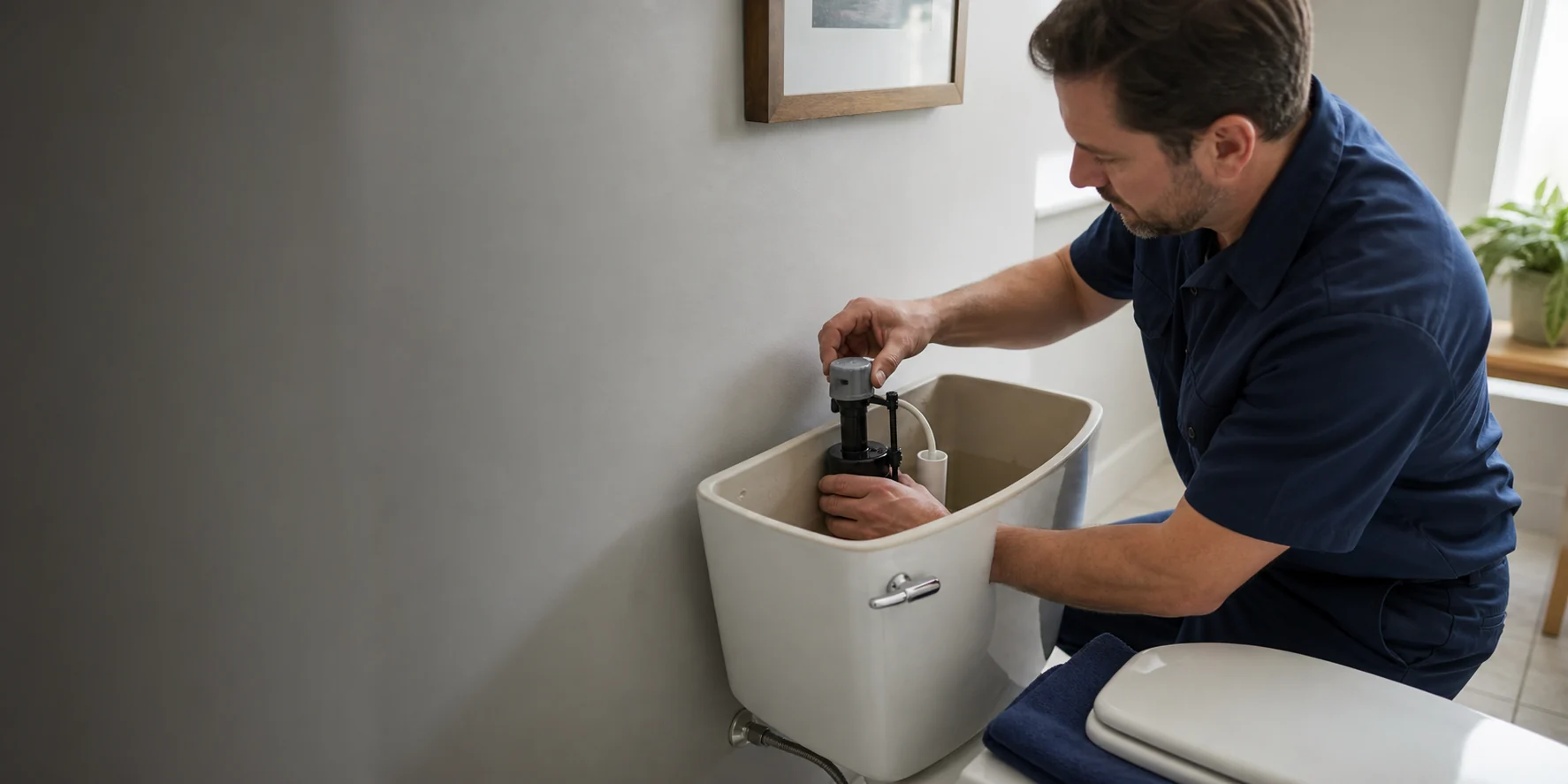
Plumbing Service
Toilet Repair
A running, clogged, or leaking toilet wastes water and disrupts a key fixture in your home. Plumbing Advisors helps you understand the issue and connect with toilet repair help.
Plumbing Advisors provides guidance and connection assistance. Independent providers perform the plumbing work and confirm availability, pricing, timing, and credentials.
On this pageOverview
 Plumbing Advisors Editorial TeamEditorial StandardsSource-Checked
Quick summary
- For running, leaking, clogged, or weak-flushing toilets
- A running toilet quietly wastes water
- A leaking base can damage flooring
- Call to describe the issue and get connected
About toilet repair
A toilet is one of the most-used fixtures in a home, so when it runs, leaks, or flushes poorly, the disruption is hard to ignore. Many problems trace back to inexpensive parts inside the tank, such as a worn flapper or a failing fill valve, and these are among the more straightforward plumbing repairs. Others, like water seeping from the base, point to the connection between the toilet and the floor and deserve prompt attention before the moisture reaches the subfloor.
It helps to know what a toilet repair can and cannot solve. A running tank wastes water quietly and adds up on your bill, while a weak or incomplete flush often comes from buildup or a partial clog rather than the toilet being worn out. One thing to avoid is reaching for chemical drain cleaners when a toilet is clogged. They are not designed for a toilet's trap, can damage the bowl and seals, and create a hazard for anyone who later has to work on it. A plunger or a closet auger is the safer path, and a professional can handle anything beyond that.
Signs you may need toilet repair
The toilet runs constantly
Water that keeps trickling into the bowl or the tank that refills on its own usually means a worn flapper or fill valve. It is a common fix, but it wastes water steadily until addressed.
Water pooling around the base
A puddle at the foot of the toilet, especially after a flush, often signals a failing wax ring or loose connection. Left alone, that water can damage the flooring and subfloor beneath it.
Weak or incomplete flushing
If the bowl empties slowly or needs a second flush, mineral buildup in the rim jets or a partial clog is often the cause. The toilet is not necessarily failing, but flow is restricted somewhere.
Frequent or repeated clogs
A toilet that clogs again and again may have a buildup in the trap, a venting issue, or an older low-flow design struggling with the load. Repeated clogs are worth a professional look.
A rocking or unstable toilet
A toilet that shifts when you sit or lean signals loose mounting bolts or a compromised seal at the base. Movement can break the wax ring and lead to leaks, so it is best not to ignore.
Phantom refills or gurgling
If the tank briefly refills with no one using it, or you hear gurgling, water may be slowly escaping past the flapper or there may be a venting problem. Both are worth diagnosing.
What to know
When you need it
- The toilet runs constantly or randomly refills
- Water leaks around the base or tank
- The toilet clogs frequently or will not flush well
- The bowl does not fill or empty correctly
Common causes
- A worn flapper or fill valve
- A failing wax ring at the base
- A partial clog in the trap or drain
- Mineral buildup affecting flow
- Loose or worn tank components
What to check first
- Check the flapper and fill valve inside the tank
- Shut off the toilet supply valve if water is leaking
- Look for water around the base
- Avoid repeated flushing if the bowl is clogged
When to call a pro
- Water leaks from the base when flushing
- Repairs to tank parts do not stop the problem
- The toilet clogs repeatedly
- You are considering a replacement
Repair vs. replace the toilet
Most toilet problems start as repairs, since the parts that fail are usually inside the tank. The question of replacement comes up when the fixture itself is worn, cracked, or simply costing you more in repeated fixes than it is worth.
Repair the toilet
When the bowl and tank are sound and the trouble is a running tank, a slow fill, or a worn wax ring, repair is almost always the practical choice. These parts are inexpensive and the fix restores normal function without replacing the whole fixture.
Replace the toilet
Replacement makes more sense when the porcelain is cracked, the toilet clogs constantly despite cleaning, or it has needed repair after repair. An older, inefficient toilet that runs up your water use can also be worth replacing for the savings over time.
How to weigh it
Compare the cost and frequency of recent repairs against a new fixture, and factor in water savings if the current toilet is old. A plumbing professional can tell you whether the parts that fail are worth replacing or whether the toilet has reached the end of its useful life.
What a typical toilet repair visit includes
- Diagnosing the specific problem, from a running tank to a base leak
- Shutting off the supply valve to the toilet when needed
- Replacing worn internal parts such as the flapper, fill valve, or flush valve
- Resetting the toilet and replacing the wax ring for base leaks
- Clearing a clog with proper tools rather than chemicals
- Securing mounting bolts and checking that the toilet sits level and stable
- Testing the flush and checking for leaks at the tank and base
What toilet repair costs
A toilet repair quote should be based on the inspected scope, access, parts or equipment, permits, restoration, and urgency. Compare written quotes that describe the same work.
Typical toilet repair costs
| Project | Typical cost range |
|---|---|
| Fill valve replacement | $115–$290 |
| Fix a running toilet | $115–$310 |
| Unclog a toilet | $110–$400 |
| Full tank rebuild (multiple parts) | $185–$450 |
Service-call fees
| Service | Typical cost range |
|---|---|
| Typical toilet repair visit | $130–$380 per visit |
Cost ranges are estimates developed from standardized project scopes and reviewed pricing inputs. Government labor and regional cost data are used where applicable. See our Pricing Methodology for the exact sources, calculations, and review date. Actual prices vary by property, scope, materials or equipment, location, and provider.
What affects the cost
- Whether the job is a parts replacement, a reset and reseal, or a full fixture swap
- The specific components that need replacing and their quality
- Quality and style of the replacement fixture, if you are replacing it
- Difficulty reaching shutoffs or connections in a tight or older bathroom
- Any flooring or subfloor damage from a base leak that must be addressed
- After-hours or emergency timing if water is actively leaking
- Regional labor rates and any haul-away of the old fixture
Typical service process
- 1Identify the specific toilet problem
- 2Shut off the toilet supply valve if it is leaking
- 3Connect with a plumbing professional that services your area
- 4Have the toilet and connections inspected
- 5Repair or replace the failing components
- 6Test the flush and check for leaks
How to choose the right pro
- Confirm the professional is licensed and insured where your area requires it
- Ask for a written estimate once the issue has been diagnosed in person
- Look for an itemized scope that distinguishes a repair from a replacement
- Ask whether parts and labor carry a warranty
- Choose someone who recommends repair when it is the sensible option rather than defaulting to replacement
- Check recent reviews for fixture and toilet work
How Plumbing Advisors helps
Plumbing Advisors helps you tell whether a toilet needs a simple part or a larger fix, then connects you with plumbing professionals that service your area. A leak at the base is worth prompt attention to protect your flooring. Availability and pricing vary by location and provider.
Frequently asked questions
Why does my toilet keep running?
A constantly running toilet is usually caused by a worn flapper, a misadjusted float, or a failing fill valve. These are common and fixable. Our guide on running toilets walks through what to look for.
Is a leaking toilet base serious?
It can be. Water pooling at the base may mean a failing wax ring, and over time that can damage the floor and subfloor. It is worth addressing promptly.
Should I repair or replace my toilet?
Many issues are simple repairs. But if a toilet cracks, clogs constantly, or needs frequent fixes, replacement may be more cost-effective. A professional can help you decide.
Sources and further reading
These references support the safety and technical guidance on this page.
Toilet Repair guides
Learn before your toilet repair.
Free guides on cost, common problems, repairs, and what to expect — written to help you make the call with confidence.
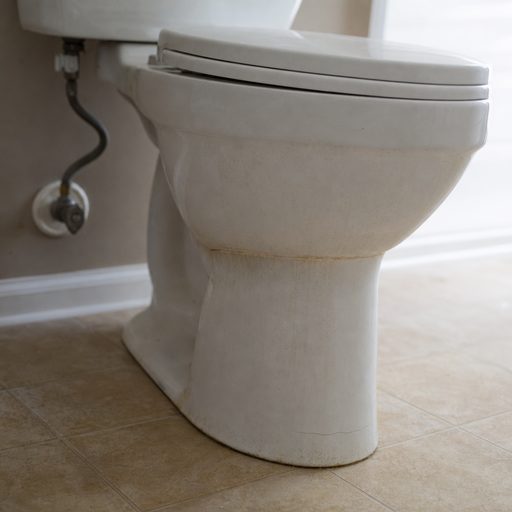
Signs Your Toilet Is Wearing Out
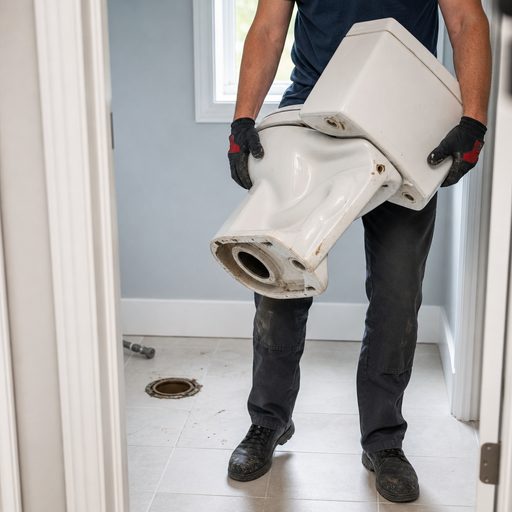
Old Toilet Removal and Disposal: How It Works
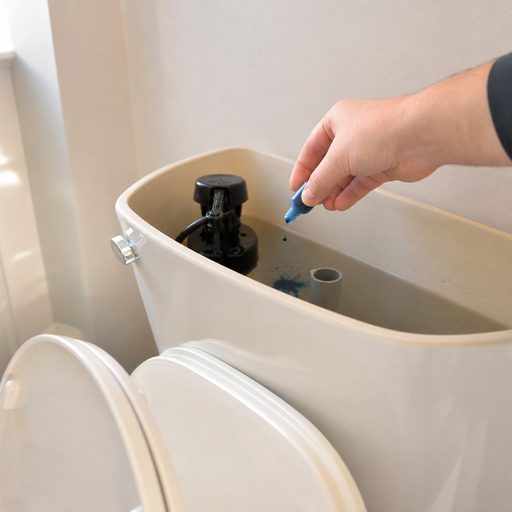
How to Tell If Your Toilet Is Leaking
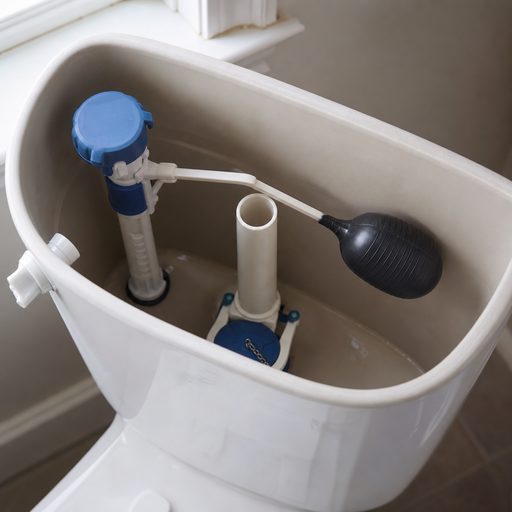
Common Toilet Parts That Fail and What They Do
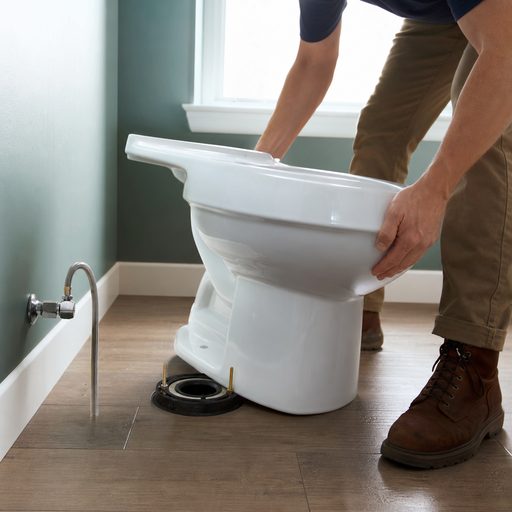
What to Expect During a Toilet Installation
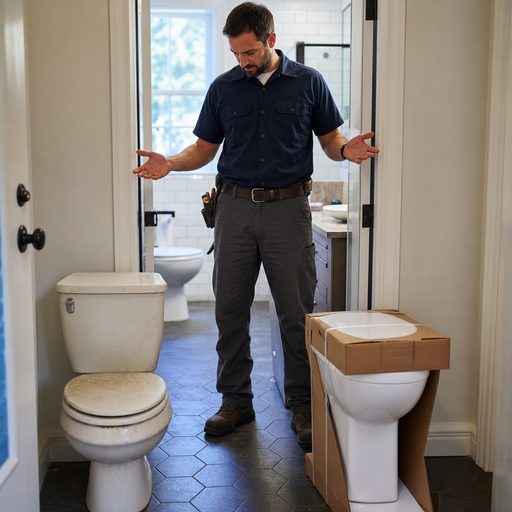
Repairing vs. Replacing a Toilet
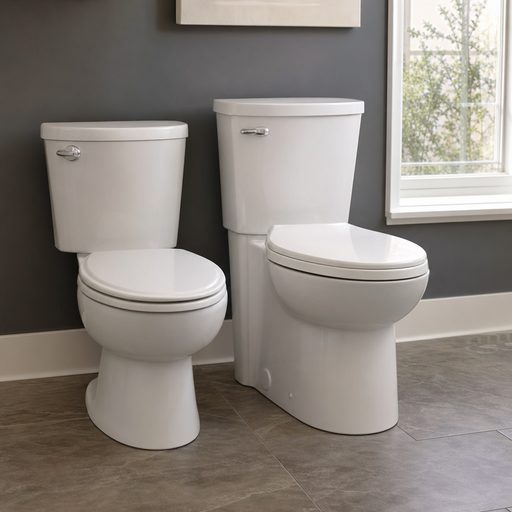
How to Choose a New Toilet: Height, Shape, and Efficiency
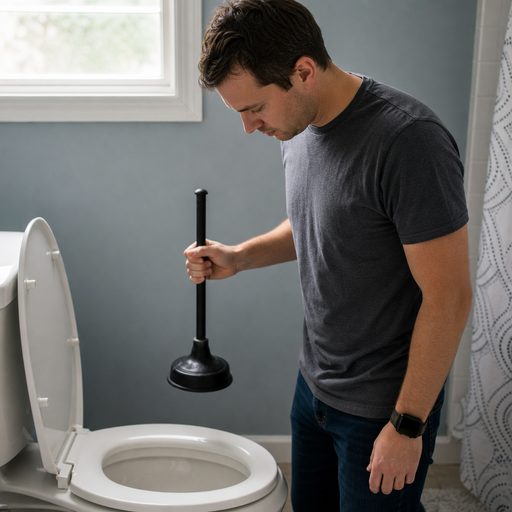
Why Your Toilet Keeps Clogging
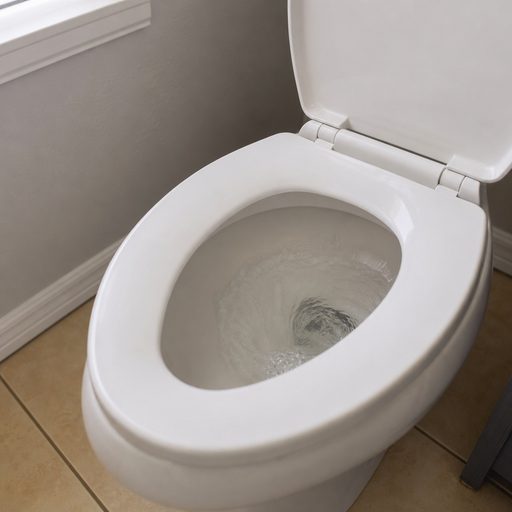
Why Is My Toilet Not Flushing Properly?
Start with the symptom
Common problems related to this service
Choose your area
Toilet Repair near you
Find toilet repair in your state or city. Availability varies by location and provider.
Toilet Repair by state
CaliforniaCA9 cities
ColoradoCO8 cities
ConnecticutCT6 cities
DelawareDE5 cities
FloridaFL8 cities
GeorgiaGA8 cities
IllinoisIL9 cities
IndianaIN8 cities
KentuckyKY6 cities
LouisianaLA6 cities
MarylandMD7 cities
MassachusettsMA8 cities
MichiganMI9 cities
MinnesotaMN7 cities
MississippiMS5 cities
MissouriMO8 cities
MontanaMT5 cities
NebraskaNE5 cities
New HampshireNH5 cities
New JerseyNJ8 cities
New MexicoNM5 cities
New YorkNY10 cities
North CarolinaNC8 cities
North DakotaND5 cities
OhioOH9 cities
OklahomaOK5 cities
PennsylvaniaPA9 cities
Rhode IslandRI5 cities
South CarolinaSC6 cities
South DakotaSD5 cities
TennesseeTN7 cities
TexasTX10 cities
VirginiaVA8 cities
WashingtonWA8 cities
West VirginiaWV5 cities
WisconsinWI7 cities
WyomingWY5 cities
Need Plumbing Help Now?
Call Plumbing Advisors to connect with help for leaks, drains, water heaters, sewer lines, burst pipes, toilets, faucets, and more.
No-obligation request · Availability varies by location and provider