
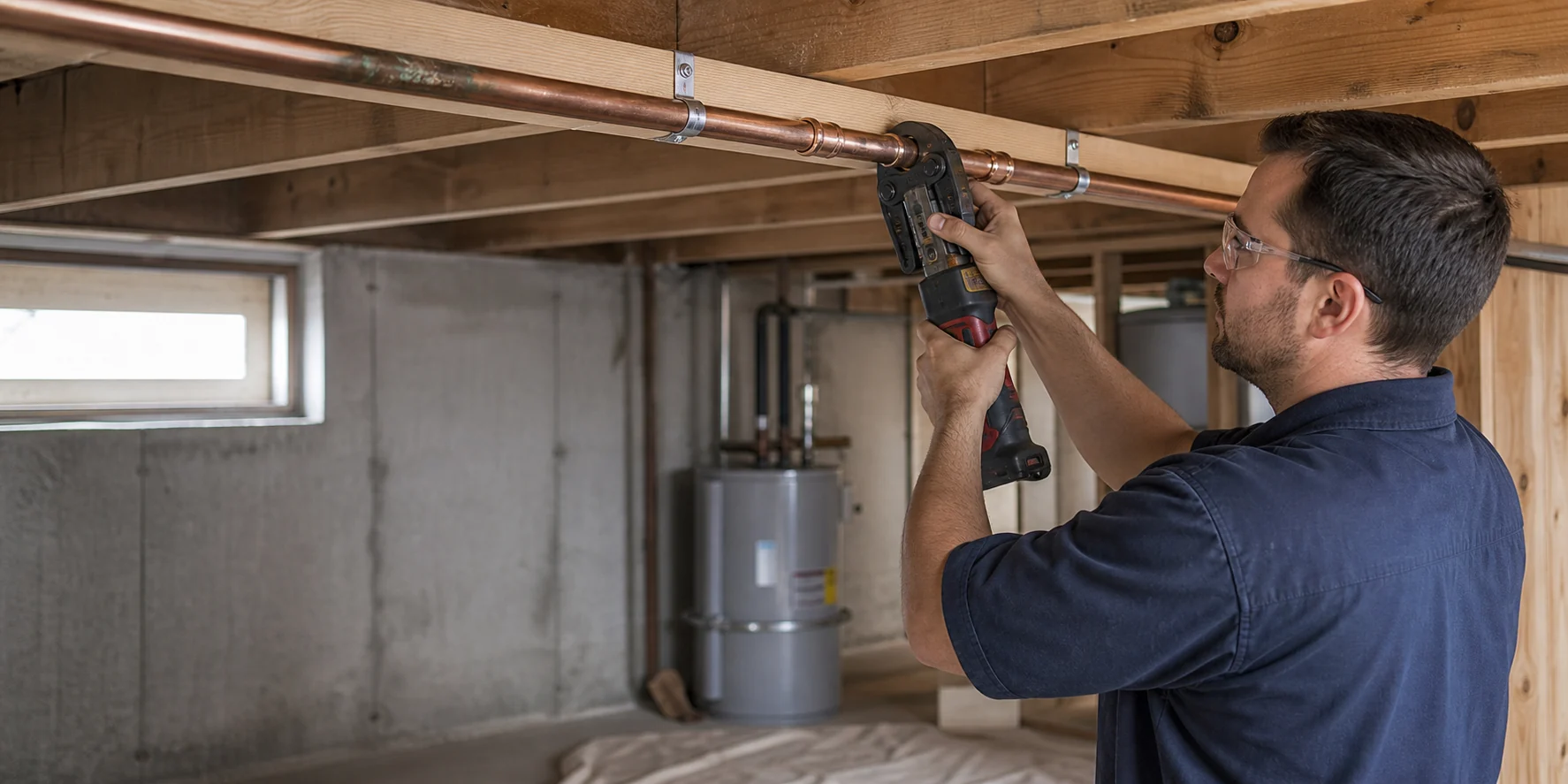
Plumbing Service
Pipe Repair
Leaking or corroded pipes can cause damage well beyond the pipe itself. Plumbing Advisors helps you understand the problem and connect with pipe repair help.
Plumbing Advisors provides guidance and connection assistance. Independent providers perform the plumbing work and confirm availability, pricing, timing, and credentials.
On this pageOverview
 Plumbing Advisors Editorial TeamEditorial StandardsSource-Checked
Quick summary
- For leaking, corroded, or damaged pipes
- Often appears as drips, stains, or low pressure
- Early repair prevents water damage
- Call to describe the issue and get connected
About pipe repair
Pipe repair covers the supply and drain lines that move water through your home, from a single weeping joint to a corroded run hidden inside a wall. The goal is to stop leaks before water finds its way into framing, insulation, and flooring, where the damage often costs more than the pipe itself. Some problems show up as an obvious drip; others reveal themselves slowly through stains, a musty smell, or a quiet drop in pressure that you learn to live with without realizing why.
Not every leak means the whole system is failing, and not every fix is a quick patch. A pipe that was nicked during a remodel is a different situation than aging galvanized lines throwing pinhole leaks one after another. Understanding which one you are dealing with helps you decide between a targeted repair and a larger replacement, and it keeps you from paying twice when a single section turns out to be the first of many.
Signs you may need pipe repair
Visible drips or sweating pipes
Active dripping is the clearest sign, but pipes that stay wet to the touch can also signal a slow leak or condensation hiding a real problem. Either is worth a closer look before it spreads.
Water stains on walls or ceilings
Brown rings, bubbling paint, or soft spots on drywall often trace back to a pipe leaking behind the surface. The stain usually appears lower than the actual leak as water travels along framing.
Corrosion or green-blue residue
Flaking, rust, or a chalky buildup on metal pipes points to corrosion working from the inside out. On copper, a green or blue tint near a joint can mark where a pinhole leak is forming.
A drop in water pressure
When flow weakens at one fixture or throughout the house, mineral buildup or a leak in the line may be to blame. Pressure that keeps fading over months is worth investigating rather than ignoring.
Repeated leaks in the same area
One repaired joint that fails again, or a series of small leaks along the same run, often means the pipe material itself is near the end of its life rather than just one bad spot.
An unexplained jump in your water bill
A bill that climbs without a change in habits can mean water is escaping somewhere you cannot see. A hidden pipe leak is a common cause worth ruling out.
What to know
When you need it
- A pipe is dripping, leaking, or sweating heavily
- You see corrosion or discoloration on pipes
- Water pressure dropped due to a pipe issue
- A pipe was damaged by freezing or impact
Common causes
- Corrosion in aging metal pipes
- Freezing and thawing that cracks pipes
- High water pressure stressing joints
- Physical damage or shifting
- Poor past repairs or incompatible materials
What to check first
- Shut off water to the affected area if it is safe and accessible
- Identify where the leak or damage is
- Place a container to catch dripping water
- Avoid pressurized pipe repairs yourself
When to call a pro
- A pipe is actively leaking
- You see corrosion or repeated pipe failures
- A pipe froze and may be cracked
- Pressure problems trace back to the pipes
Spot repair vs. whole-home repipe
When a pipe leaks, the central question is whether to fix the failing section or replace a larger portion of the system. The right answer depends less on the single leak in front of you and more on the condition of the pipes around it.
Spot repair
Replacing or sealing the damaged section makes sense when the rest of the plumbing is in good shape and the cause is isolated, such as a pipe damaged by freezing or an accidental puncture. It is faster and less disruptive, and for a one-off failure it is usually the practical choice.
Partial replacement
If a particular run, like the lines feeding one bathroom, keeps giving you trouble, replacing that whole section can be smarter than patching it piece by piece. This is common when one area uses older or mismatched material while the rest of the home is newer.
Whole-home repipe
When pinhole leaks keep appearing across the house, or the pipes are an aging material prone to widespread failure, replacing the system can cost less over time than a string of separate repairs. A plumber can assess overall condition and tell you whether you are near that point.
What a typical pipe repair visit includes
- Inspecting the affected line to locate the leak and assess the cause
- Shutting off and draining water to the work area
- Cutting out the damaged section or accessing the run behind walls
- Replacing the pipe or fittings with compatible materials
- Pressure-testing the repair and checking for new leaks
- Restoring water service and confirming normal pressure
- Basic cleanup of the immediate work area
What pipe repair costs
A pipe repair quote should be based on the inspected scope, access, parts or equipment, permits, restoration, and urgency. Compare written quotes that describe the same work.
Typical pipe repair costs
| Project | Typical cost range |
|---|---|
| Single leak repair, accessible pipe | $175–$680 |
| Leak repair behind a wall, floor, or ceiling | $430–$1,675 |
| Whole-home repipe | $4,325–$19,500 |
Service-call fees
| Service | Typical cost range |
|---|---|
| Diagnostic / service call | $75–$240 per visit |
Additional project costs
| Additional work | Typical cost range |
|---|---|
| Drywall patch and paint after access | $215–$910 |
Cost ranges are estimates developed from standardized project scopes and reviewed pricing inputs. Government labor and regional cost data are used where applicable. See our Pricing Methodology for the exact sources, calculations, and review date. Actual prices vary by property, scope, materials or equipment, location, and provider.
What affects the cost
- Location of the pipe and how easy it is to reach behind walls, floors, or ceilings
- Length and amount of pipe that must be repaired or replaced
- Pipe material, with copper generally costing more than PEX, and whether mismatched materials must be joined
- Whether the job is an isolated spot fix or part of a larger partial or whole-home repipe
- Water damage or drywall and finish repair that needs addressing alongside the pipe work
- Permits, where local code requires them for pipe work
- Regional labor rates and whether the visit is after-hours
Typical service process
- 1Locate the leaking or damaged pipe section
- 2Shut off water to the area if it is safe and accessible
- 3Connect with a plumbing professional that services your area
- 4Have the pipe inspected to assess the damage
- 5Repair or replace the affected section
- 6Test for leaks and restore normal pressure
How to choose the right pro
- Confirm the professional is licensed and insured where your state or municipality requires it
- Ask for a written estimate after the leak has been inspected, not over the phone
- Look for an itemized scope that spells out repair versus replacement and why
- Ask whether the work carries a warranty and what it covers
- Choose someone who explains the cause clearly and does not push a full repipe without justifying it
- Check recent reviews and references for similar pipe work
How Plumbing Advisors helps
Plumbing Advisors helps you tell whether a pipe needs a spot repair or a larger replacement, then connects you with plumbing professionals that service your area. Recurring pipe failures can signal a system-wide issue worth discussing. Availability and pricing vary by location and provider.
Frequently asked questions
Can a leaking pipe be repaired, or does it need replacement?
It depends on the cause and condition. A single damaged section can often be repaired, but widespread corrosion may call for replacing a larger run of pipe. A professional inspection determines the right approach.
Why do pipes corrode?
Corrosion can come from the age and type of pipe, water chemistry, and high pressure over time. Older metal pipes are especially prone to it, which can lead to pinhole leaks.
What should I do about a pipe that froze?
Shut off the water if you can do so safely, since a frozen pipe may crack and leak when it thaws. Then have it inspected. Our guide on preventing frozen pipes covers steps to reduce the risk.
Sources and further reading
These references support the safety and technical guidance on this page.
Pipe Repair guides
Learn before your pipe repair.
Free guides on cost, common problems, repairs, and what to expect — written to help you make the call with confidence.
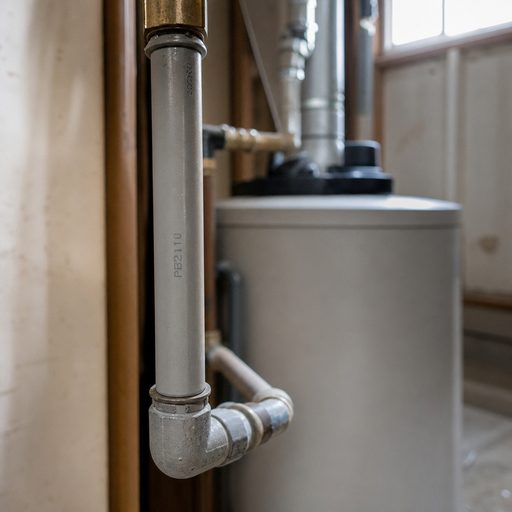
What Is Polybutylene Pipe and Should You Replace It?
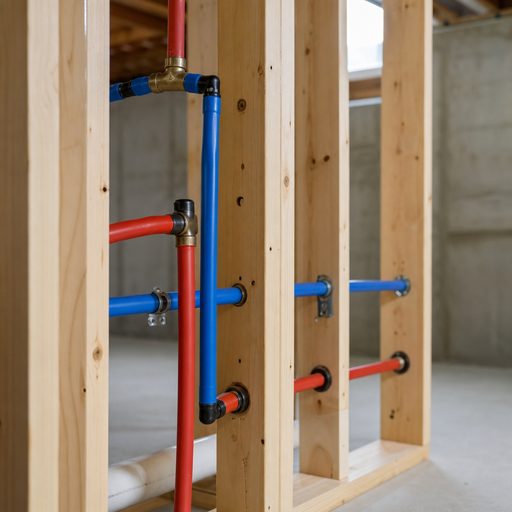
How Long Does PEX Plumbing Last?
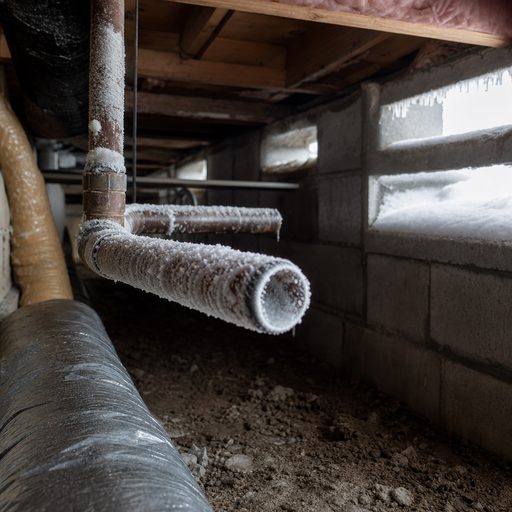
At What Temperature Do Pipes Freeze?
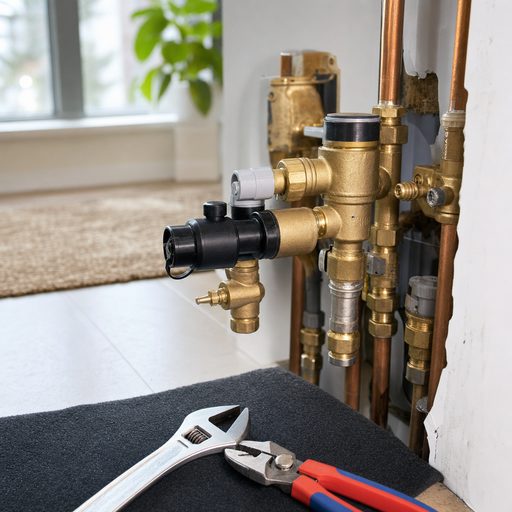
What Happens After a Leak Is Found
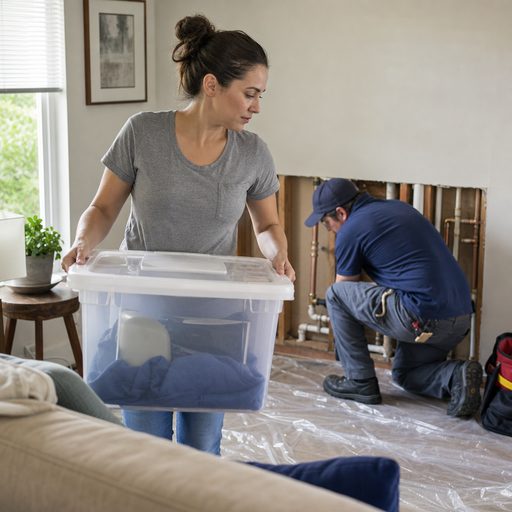
How Long Does a Repipe Take, and How Disruptive Is It?
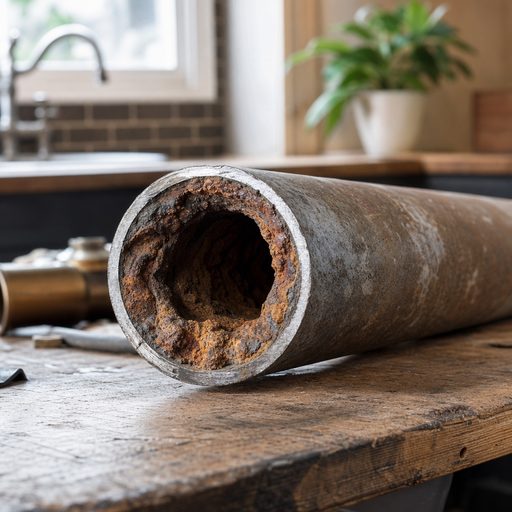
What Damages Home Pipes: Corrosion, Pressure, and Water Chemistry
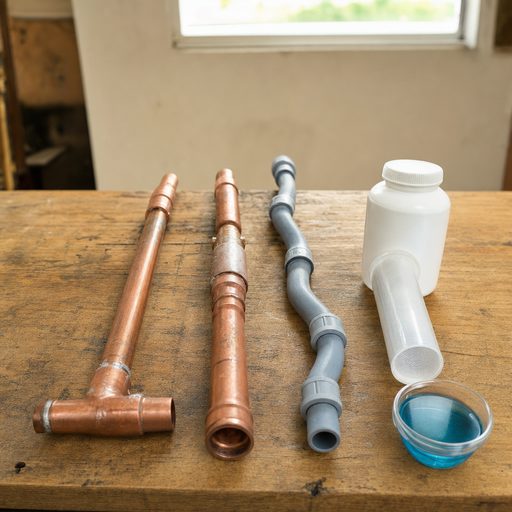
Slab Leak Repair Options: Spot Repair, Reroute, or Lining
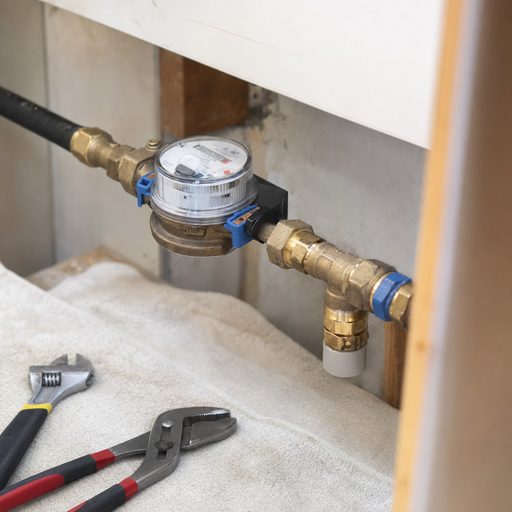
The Safe Water-Meter Leak Test, Step by Step
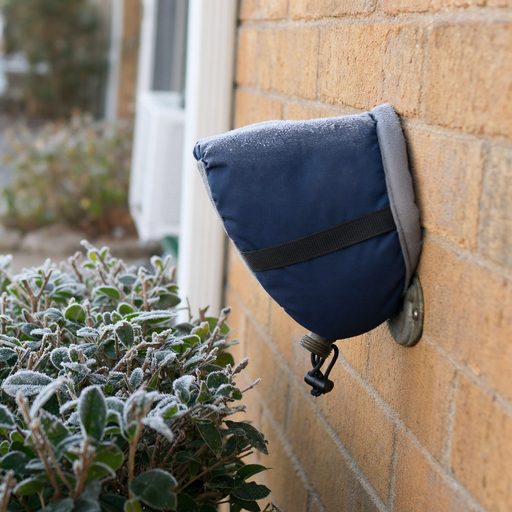
Dallas Plumbing: Preparing for Hard Freezes
Start with the symptom
Common problems related to this service
 Water is leaking from a pipeStop the water if you can and arrange urgent service
 A water stain is appearing on the ceilingStop the water if you can and arrange urgent serviceThe water meter moves when fixtures are offSchedule plumbing service soonPipes bang when water starts or stopsSchedule plumbing service soonA pipe may be frozen and no water comes outStop the water if you can and arrange urgent service
 A pipe has burst and water is sprayingStop the water if you can and arrange urgent service
Choose your area
Pipe Repair near you
Find pipe repair in your state or city. Availability varies by location and provider.
Pipe Repair by state
CaliforniaCA9 cities
ColoradoCO8 cities
ConnecticutCT6 cities
DelawareDE5 cities
FloridaFL8 cities
GeorgiaGA8 cities
IdahoID5 cities
IllinoisIL9 cities
IndianaIN8 cities
KentuckyKY6 cities
LouisianaLA6 cities
MarylandMD7 cities
MassachusettsMA8 cities
MichiganMI9 cities
MinnesotaMN7 cities
MississippiMS5 cities
MissouriMO8 cities
MontanaMT5 cities
NebraskaNE5 cities
New HampshireNH5 cities
New JerseyNJ8 cities
New MexicoNM5 cities
New YorkNY10 cities
North CarolinaNC8 cities
North DakotaND5 cities
OklahomaOK5 cities
PennsylvaniaPA9 cities
Rhode IslandRI5 cities
South CarolinaSC6 cities
South DakotaSD5 cities
TennesseeTN7 cities
TexasTX10 cities
VirginiaVA8 cities
WashingtonWA8 cities
West VirginiaWV5 cities
WyomingWY5 cities
Need Plumbing Help Now?
Call Plumbing Advisors to connect with help for leaks, drains, water heaters, sewer lines, burst pipes, toilets, faucets, and more.
No-obligation request · Availability varies by location and provider