 Plumbing Advisors Editorial TeamEditorial StandardsUpdated May 5, 2026Source-Checked
An occasional clog is a normal part of owning a toilet, but a toilet that clogs again and again is trying to tell you something. When the same fixture backs up week after week, the real cause is rarely whatever you flushed most recently; it is usually a pattern, a weak flush, or a problem further down the line. Understanding why a toilet keeps clogging can save you from reaching for the plunger every few days and help you decide whether a simple change in habits will fix it or whether it is time to call a professional. The cause often falls into one of a handful of recurring patterns.
Common Reasons a Toilet Keeps Clogging
Recurring clogs usually come down to one of three things: what is going into the toilet, how well the toilet flushes, or what is happening in the drain beyond the bowl. Sorting out which category your situation falls into points you toward the right fix. The list below covers the most common causes that bring a toilet back to clogging soon after you clear it.
- Flushing items that do not break down, such as wipes labeled flushable, paper towels, cotton products, or too much toilet paper at once.
- A weak or incomplete flush that does not generate enough force to clear the bowl, often a sign of a tank or flush-valve problem.
- An older low-flow toilet that simply never moved waste strongly, especially early first-generation models.
- A partial blockage further down the branch drain or vent that lets water through slowly but catches solids.
- Mineral buildup or an obstruction in the rim jets and siphon passages, which weakens the flush from inside the bowl.
- A developing problem in the main line, especially if other fixtures are also slow or gurgling.
Never reach for chemical drain cleaners in a toilet
Chemical drain cleaners are not made for toilets. They rarely reach or clear the real blockage, the heat they create can crack the bowl, and they produce dangerous fumes and splash hazards, especially if you plunge afterward. They can also corrode your pipes over time. Stick to a plunger or a toilet auger, and call a professional for anything they cannot clear.
Safe Ways to Break the Cycle
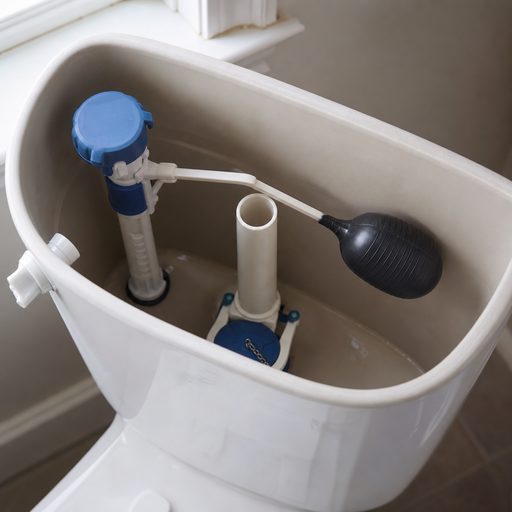
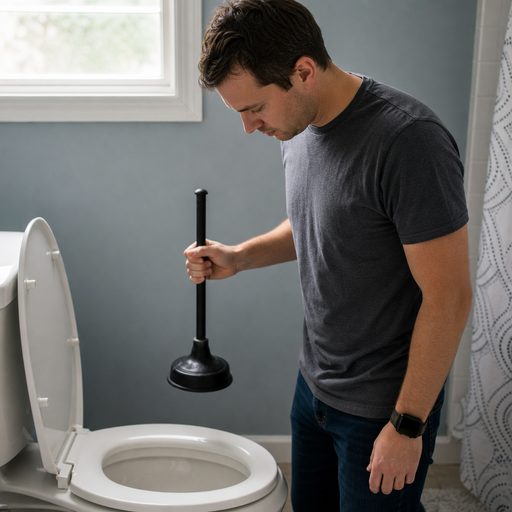
Start with the simplest fixes. Flush only human waste and toilet paper, keep wipes and paper towels out of the bowl entirely even when a label calls them flushable, and try using less paper per flush or flushing twice for larger loads. A flanged plunger, the kind with an extra rubber sleeve that fits into the drain opening, clears most everyday clogs far better than a flat cup plunger. If the flush itself seems weak, lifting the tank lid and confirming the water rises to about an inch below the top of the overflow tube can tell you whether the tank is filling fully. These steps are safe and often enough on their own, but a clog that keeps returning despite them usually means the problem is beyond what a plunger can reach.
When to Call a Professional
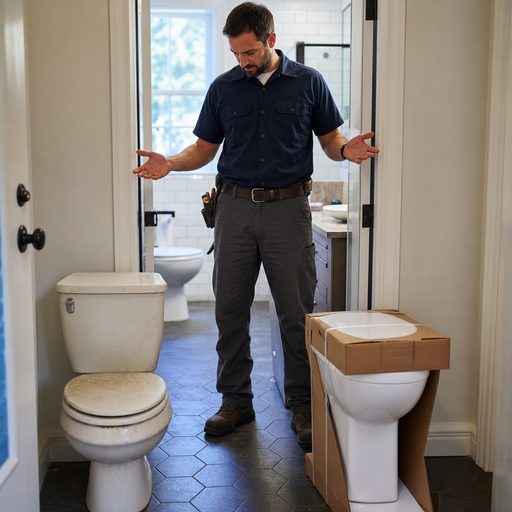
If a toilet keeps clogging after you have ruled out what is being flushed and confirmed a strong flush, the trouble likely lies in the fixture or the drain itself, and that is where professional help pays off. Toilet repair service can restore a weak flush, clear obstructed rim jets, or address an internal problem, while clogged drain service can clear a blockage in the branch line or main without harsh chemicals. If multiple fixtures are slow at once, the issue may be deeper in the system. To understand which worn components might be weakening your flush, see our guide on the common toilet parts that fail, and if your toilet is old and clogs constantly, our comparison of repairing versus replacing a toilet can help you decide whether a newer model is the smarter move.
Sources and further reading
These references support material safety, technical, consumer, or planning guidance in this article. Confirm property-specific requirements with the applicable authority and professional.