 Plumbing Advisors Editorial TeamEditorial StandardsUpdated June 2, 2026Source-Checked
When people picture a toilet replacement, they tend to think about the shiny new fixture going in and forget about the old one coming out. But removing and disposing of the existing toilet is the first half of the job, and doing it cleanly matters just as much as setting the new one. A toilet is heavy, holds residual water, and connects to your home's drain, so there is a right way to take it out without making a mess or damaging anything. Knowing how the process works helps you prepare the space and understand why responsible disposal is part of a good replacement rather than an afterthought.
How the Old Toilet Comes Out
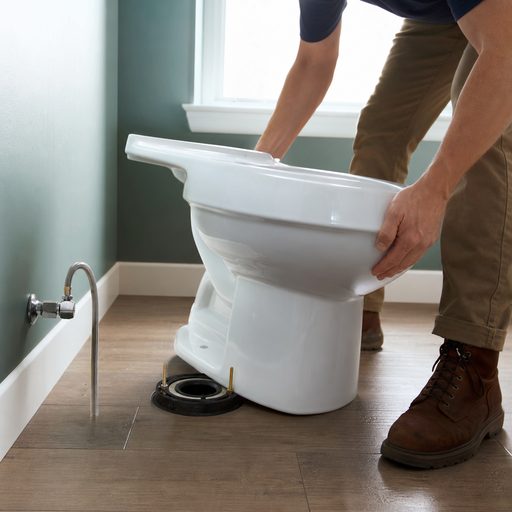
Removal follows a careful order to keep water where it belongs. The plumber first shuts off the toilet's supply valve and flushes to drain the tank and bowl, then removes any remaining water so nothing spills during the lift. The supply line is disconnected, the bolts at the base are loosened, and the toilet is gently rocked free of the old wax seal and lifted away. Because the open drain is now exposed, it is usually plugged with a rag or cover to block sewer gas and keep debris out until the new toilet goes down. The old wax ring is scraped off the flange so the surface is clean for a fresh seal.
An old toilet is heavier and dirtier than it looks
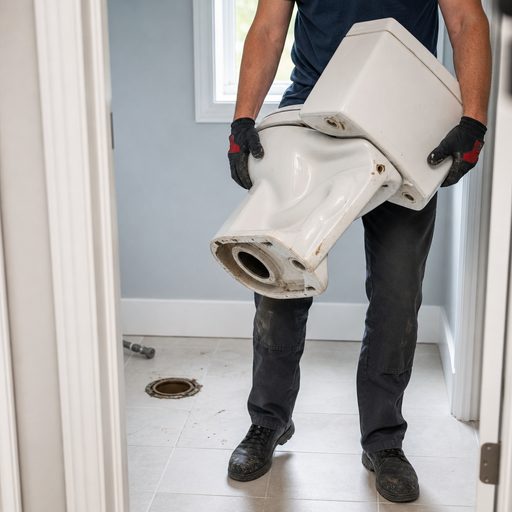
A toilet can weigh well over fifty pounds, holds water in hidden passages, and connects directly to your drain line. Lifting one awkwardly risks a back injury, a cracked fixture, or a spill of wastewater onto your floor. Leave the removal to a professional, who can handle the weight, control the residual water, and cap the open drain safely while the new toilet is prepared.
Where the Old Toilet Goes
Once the old toilet is out, it has to go somewhere, and a responsible plumber does more than leave it at the curb. Many service providers haul the old fixture away as part of the job, and the porcelain is often recyclable rather than simply landfilled. Some areas crush old toilets into aggregate used for construction and road base, and many municipalities have specific rules for disposing of bulky bathroom fixtures. If you are handling disposal yourself, your local waste authority or transfer station can tell you whether toilets are accepted, whether they need to be drained first, and if any recycling options exist nearby. Asking your plumber whether haul-away is included spares you from figuring this out on your own.
What You Can Do to Prepare
There are a few safe, simple things you can do before the visit to make removal go smoothly. Clearing a path from the bathroom to the door gives the plumber room to carry a heavy fixture out without bumping walls or furniture. Removing rugs, towels, and anything stored around the base protects them from water and gives the plumber space to work. You can also locate and test the toilet's shutoff valve ahead of time so you know it turns freely. These steps are harmless and helpful, but the actual lifting, draining, and capping of the drain are best left to a professional who does it routinely.
When to Call a Professional
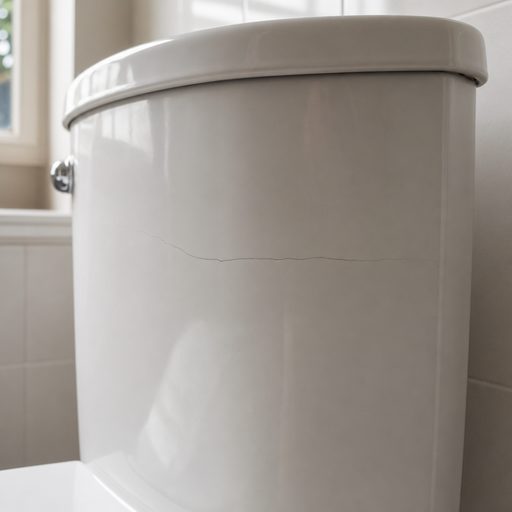
Removing a toilet cleanly, capping the open drain, and disposing of the old fixture responsibly are all part of a proper replacement, and they are easy to underestimate. Toilet replacement service handles the removal and haul-away alongside the new install, so you are not left with a heavy fixture to move or dispose of yourself. If you are still deciding whether the old toilet truly needs to go, toilet repair service can advise whether a fix would have kept it in service. To see how removal fits into the full job, our guide on what to expect during a toilet installation walks through each step, and if you are weighing the decision itself, our guide on when to replace a toilet instead of repairing it can help you choose.
Sources and further reading
These references support material safety, technical, consumer, or planning guidance in this article. Confirm property-specific requirements with the applicable authority and professional.