
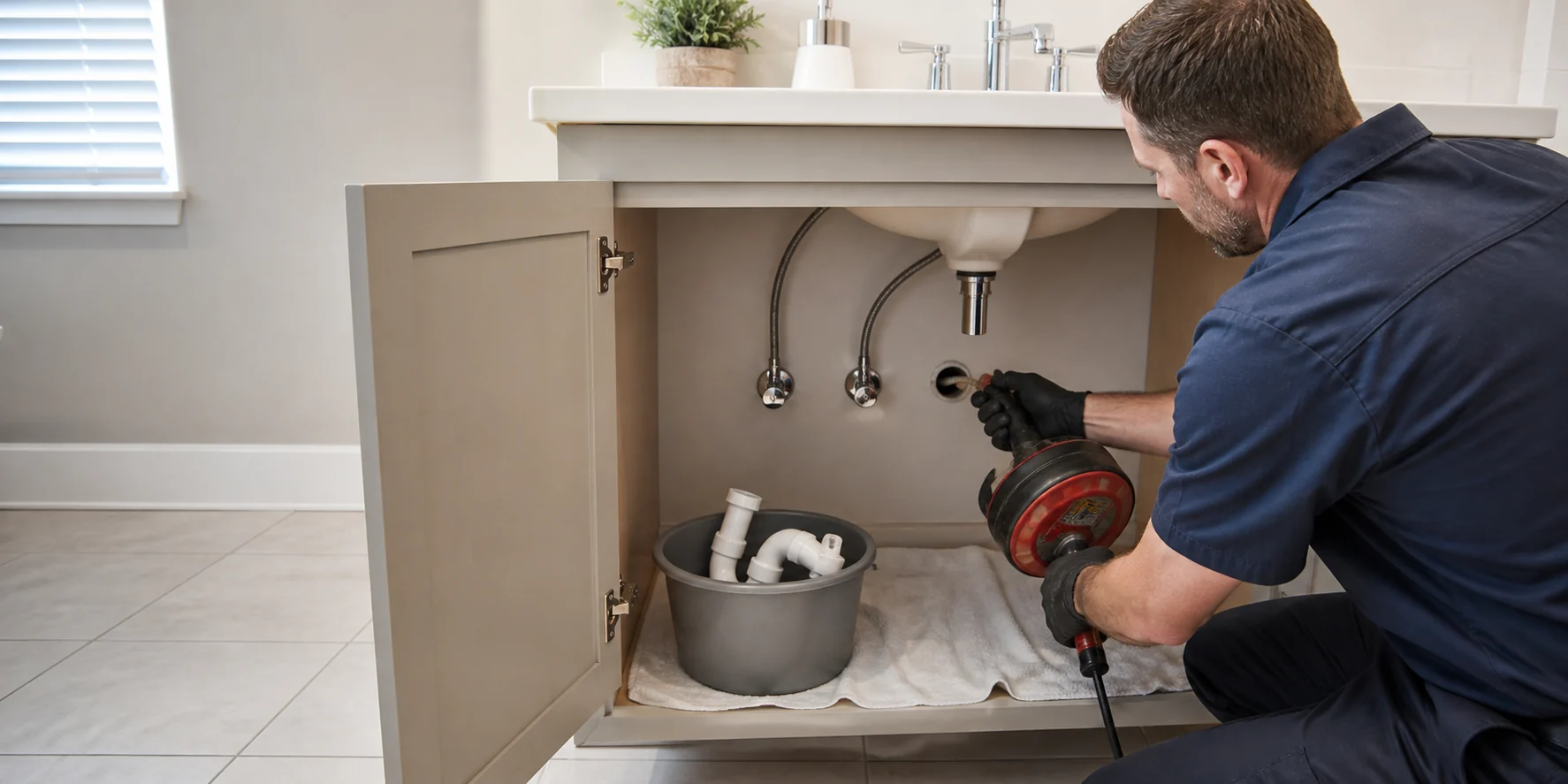
Plumbing Service
Clogged Drain
A clogged drain with standing water can bring a kitchen or bathroom to a halt. Plumbing Advisors helps you understand whether it is a simple clog or something deeper, and connect with help.
Plumbing Advisors provides guidance and connection assistance. Independent providers perform the plumbing work and confirm availability, pricing, timing, and credentials.
On this pageOverview
 Plumbing Advisors Editorial TeamEditorial StandardsSource-Checked
Quick summary
- For sink, shower, tub, or main drain clogs
- Standing water and slow draining are the main signs
- Most single clogs are local; whole-home backups are not
- Call to get matched with clogged drain help
About clogged drain
A clogged drain is one of the most common household plumbing problems, and most of the time it is a local blockage in a single fixture. Hair and soap scum collect in bathroom drains, while grease and food debris build up in the kitchen, until water slows to a trickle or stops and stands in the basin. A clog like this is usually frustrating but contained. The aim is to clear the obstruction safely and get the fixture draining normally again without damaging the pipe in the process.
Not every clog is simple, though, and knowing the difference matters. A blockage that affects only one fixture is very different from one that slows several drains or backs water up across the home, which can point to the main line. Before reaching for any product, skip chemical drain cleaners entirely. They can corrode pipes, may not clear the actual blockage, and can create a hazard for whoever opens the line next. Safe first steps are limited to cleaning the stopper, plunging, and watching whether other drains are affected, then calling a professional if it does not clear.
Signs you may need clogged drain help
Standing water that will not drain
Water that sits in a sink, tub, or shower long after you are done usually means the drain is blocked rather than just slow. If basic plunging does not move it, the clog is deeper than the stopper.
A plunger has not worked
Plunging clears many simple clogs, but a blockage that resists it is often lodged further down the line. That is a good point to stop and have it cleared professionally rather than forcing it.
The clog keeps returning
If the same drain clogs again soon after you clear it, buildup is likely reforming or the original blockage was only partly removed. Repeated clogs in one spot deserve a closer look.
Draining one fixture affects another
If emptying a sink makes water rise in a nearby tub or toilet, the blockage is in a shared line, not a single trap. This is a sign the problem is moving beyond one fixture.
Multiple fixtures are slow together
When several drains slow down or back up at the same time, the issue is likely in a branch line or the main line. That pattern is worth a professional inspection rather than fixture-by-fixture clearing.
Gurgling or odors from the drain
Gurgling sounds and lingering smells often accompany a partial blockage. If cleaning the stopper does not help, the cause is usually deeper in the pipe.
What to know
When you need it
- A sink, tub, or shower will not drain or drains very slowly
- Water stands in the basin long after use
- A plunger or basic effort has not worked
- More than one fixture is clogging at once
Common causes
- Hair and soap scum in bathroom drains
- Grease and food debris in kitchen drains
- Objects accidentally dropped into the drain
- Buildup narrowing older pipes
- A blockage further down the main line
What to check first
- Remove and clean the stopper or drain cover
- Check whether nearby fixtures also drain slowly
- Avoid chemical drain cleaners that can harm pipes
- Stop running water into a drain that is backing up
When to call a pro
- The clog will not clear with basic effort
- Several fixtures are slow or backing up together
- Water comes up in a different fixture when you drain one
- Clogs keep returning in the same spot
One slow drain vs. multiple or whole-house
The most useful thing you can figure out before calling is how many fixtures are affected. It changes where the problem likely sits and how urgent it is.
One slow or clogged drain
When a single fixture is affected and the rest of the home drains fine, the blockage is almost always local to that drain or its trap. These are the most straightforward to clear. Safe first steps like cleaning the stopper and plunging are reasonable, and a pro can clear what is left if it does not budge.
Multiple drains or whole-house backups
If several fixtures are slow, if draining one causes water to rise in another, or if the lowest drains in the home back up, the blockage is likely in the main line. This is more serious and can turn unsanitary. Stop running water into the affected drains and have a professional inspect the main line, often with a camera.
When in doubt, note the pattern
Before you call, check whether nearby fixtures also drain slowly and whether the problem moves between them. Describing that pattern helps match the right help and tells the pro whether to look at a single trap or the main line.
What a typical clogged drain visit includes
- A check of whether one fixture or several are affected
- An inspection to locate the blockage, sometimes with a camera
- Clearing the clog with the appropriate professional method
- Removal of debris from the trap or line where reachable
- A flow test to confirm the fixture drains normally
- Cleanup of the immediate area
- A heads-up if the pattern points to a main-line problem
What clogged drain costs
A clogged drain quote should be based on the inspected scope, access, parts or equipment, permits, restoration, and urgency. Compare written quotes that describe the same work.
Typical clogged drain costs
| Project | Typical cost range |
|---|---|
| Kitchen sink clog | $145–$410 |
| Bathroom sink clog | $125–$340 |
| Tub or shower clog | $145–$420 |
| Toilet clog | $115–$340 |
| Main drain clog | $250–$1,025 |
Service-call fees
| Service | Typical cost range |
|---|---|
| Typical drain clearing visit | $150–$430 per visit |
Cost ranges are estimates developed from standardized project scopes and reviewed pricing inputs. Government labor and regional cost data are used where applicable. See our Pricing Methodology for the exact sources, calculations, and review date. Actual prices vary by property, scope, materials or equipment, location, and provider.
What affects the cost
- Whether the clog is in one fixture or a shared line
- How far down the blockage sits and how stubborn it is
- The method needed to clear it, from a plunger-level fix to powered equipment
- Whether a camera inspection is required to find the cause
- Access to the drain and any cleanout
- After-hours or emergency timing, which often adds to the cost
- Regional labor rates
Typical service process
- 1Determine whether one or many fixtures are affected
- 2Stop adding water to a drain that is backing up
- 3Connect with a plumbing professional that services your area
- 4Have the drain inspected to locate the blockage
- 5Clear the clog using the appropriate professional method
- 6Confirm the fixture drains normally before regular use
How to choose the right pro
- Confirm the professional you are connected with is licensed and insured where your state requires it
- Ask for a written estimate before any work starts
- Request an itemized scope so the method and steps are clear
- Ask whether the main line will be checked if multiple drains are involved
- Look for a warranty or guarantee on the clearing work
- Read recent reviews and expect clear, honest communication
How Plumbing Advisors helps
Plumbing Advisors helps you tell whether a clog is a quick fix or a warning sign, then connects you with plumbing professionals that service your area. If multiple drains are affected, mention that when you call so the right help is matched. Availability and pricing vary by location and provider.
Frequently asked questions
Are chemical drain cleaners a good idea?
They are best avoided. Harsh chemical cleaners can damage older pipes, create hazards, and may not clear the real blockage. They can also make professional service more difficult. Mechanical clearing by a professional is usually safer and more effective.
When is a clogged drain actually serious?
If several fixtures are slow at once, if draining one fixture causes water to rise in another, or if clogs keep returning, the blockage may be in the main line. Those situations are worth a professional inspection.
Why does my clog keep coming back?
Recurring clogs often mean buildup further down the line, a partial blockage that was not fully cleared, or a developing main-line issue. A camera inspection can help identify the cause.
Sources and further reading
These references support the safety and technical guidance on this page.
Clogged Drain guides
Learn before your clogged drain.
Free guides on cost, common problems, repairs, and what to expect — written to help you make the call with confidence.
What Happens If You Ignore a Slow Drain?
Do Flushable Wipes Really Cause Clogs?
Why Does My Drain Keep Clogging?
How to Keep a Garbage Disposal Clean and Odor-Free

Is a Clogged Drain a Plumbing Emergency?
How Often Should Drains Be Professionally Cleaned?
What Not to Put Down a Garbage Disposal
Why Are Multiple Drains Clogged at Once?
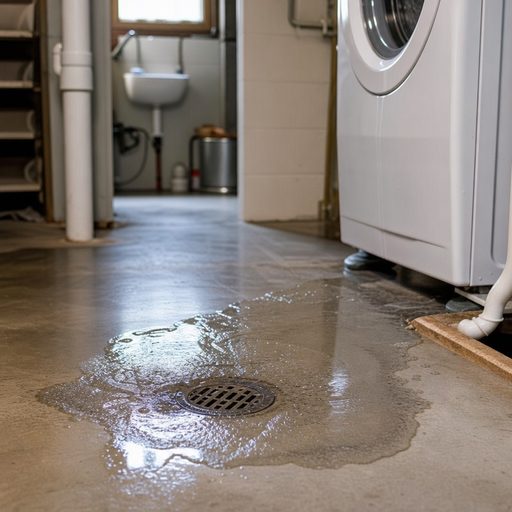
Single-Fixture Clog vs. Main-Line Clog: How to Tell
Start with the symptom
Common problems related to this service
Choose your area
Clogged Drain near you
Find clogged drain in your state or city. Availability varies by location and provider.
Clogged Drain by state
CaliforniaCA9 cities
ColoradoCO8 cities
ConnecticutCT6 cities
DelawareDE5 cities
FloridaFL8 cities
GeorgiaGA8 cities
IllinoisIL9 cities
IndianaIN8 cities
KentuckyKY6 cities
LouisianaLA6 cities
MarylandMD7 cities
MassachusettsMA8 cities
MichiganMI9 cities
MinnesotaMN7 cities
MississippiMS5 cities
MissouriMO8 cities
MontanaMT5 cities
NebraskaNE5 cities
New HampshireNH5 cities
New JerseyNJ8 cities
New MexicoNM5 cities
New YorkNY10 cities
North CarolinaNC8 cities
North DakotaND5 cities
OhioOH9 cities
OklahomaOK5 cities
PennsylvaniaPA9 cities
Rhode IslandRI5 cities
South CarolinaSC6 cities
South DakotaSD5 cities
TennesseeTN7 cities
TexasTX10 cities
VirginiaVA8 cities
WashingtonWA8 cities
West VirginiaWV5 cities
WisconsinWI7 cities
WyomingWY5 cities
Need Plumbing Help Now?
Call Plumbing Advisors to connect with help for leaks, drains, water heaters, sewer lines, burst pipes, toilets, faucets, and more.
No-obligation request · Availability varies by location and provider