
Toilet Repair
Toilet Repair in North Dakota
Homeowners comparing toilet repair in North Dakota should first define whether the issue occurs during filling, flushing, draining, or when other fixtures run. Use the state guidance on this page to verify the business and planning process, then rely on an on-site inspection for the recommendation.
Plumbing Advisors provides guidance and connection assistance. Independent providers perform the plumbing work and confirm availability, pricing, timing, and credentials.
On this pageOverview
 Plumbing Advisors Editorial TeamEditorial StandardsSource-Checked
Toilet Repair across North Dakota
Homeowners comparing toilet repair in North Dakota should first define whether the issue occurs during filling, flushing, draining, or when other fixtures run. Use the state guidance on this page to verify the business and planning process, then rely on an on-site inspection for the recommendation.
Overflowing sewage, a damaged flange, concealed leakage, or a shared drain problem needs professional inspection.
When toilet repair may fit
- The toilet runs constantly or randomly refills
- Water leaks around the base or tank
- The toilet clogs frequently or will not flush well
- The bowl does not fill or empty correctly
Causes or scope drivers to inspect
- A worn flapper or fill valve
- A failing wax ring at the base
- A partial clog in the trap or drain
- Mineral buildup affecting flow
- Loose or worn tank components
Comparing a toilet repair quote
For toilet repair in North Dakota, compare itemized quotes for the same inspected scope. Access, testing, equipment or parts, permits, restoration, and urgency can affect the final price.
Typical toilet repair costs
| Project | Typical cost range |
|---|---|
| Fill valve replacement | $115–$290 |
| Fix a running toilet | $115–$310 |
| Unclog a toilet | $110–$400 |
| Full tank rebuild (multiple parts) | $185–$450 |
Service-call fees
| Service | Typical cost range |
|---|---|
| Typical toilet repair visit | $130–$380 per visit |
Cost ranges are estimates developed from standardized project scopes and reviewed pricing inputs. Government labor and regional cost data are used where applicable. See our Pricing Methodology for the exact sources, calculations, and review date. Actual prices vary by property, scope, materials or equipment, location, and provider.
What affects the cost
- Whether the job is a parts replacement, a reset and reseal, or a full fixture swap
- The specific components that need replacing and their quality
- Quality and style of the replacement fixture, if you are replacing it
- Difficulty reaching shutoffs or connections in a tight or older bathroom
- Any flooring or subfloor damage from a base leak that must be addressed
- After-hours or emergency timing if water is actively leaking
- Regional labor rates and any haul-away of the old fixture
State guidance for North Dakota
For toilet repair in North Dakota, prepare fixture shutoff, floor condition, drain opening, replacement fit, and bathroom access. Confirm the inspected scope, credentials, permits, inspections, exclusions, and restoration responsibility before authorizing work.
Credential verification
Plumbing is regulated statewide by the North Dakota State Board of Plumbing, which states that any person performing plumbing in North Dakota must be licensed with the board. For most plumbing work, hiring a state-licensed plumber is the safe choice, and you can confirm a credential through the board's online License Lookup.
The board issues three main classifications: Master Plumber, Journeyman Plumber, and Plumber's Apprentice. Apprentices work under supervision while training, journeymen perform installation and repair work, and master plumbers are skilled in planning and supervising plumbing, so it is fair to ask which license the person doing your work holds.
Permits and inspections
North Dakota does not run a single statewide permit office; permit and inspection requirements are handled locally and vary by city and county. Larger cities such as Fargo, Bismarck, Grand Forks, and Minot maintain their own building or inspections departments with plumbing inspectors, and many also require an installation certificate for work subject to inspection. Always check with your local building department before work begins to confirm what is required and who may pull the permit.
What to expect
- 1Identify the specific toilet problem
- 2Shut off the toilet supply valve if it is leaking
- 3Connect with a plumbing professional that services your area
- 4Have the toilet and connections inspected
- 5Repair or replace the failing components
- 6Test the flush and check for leaks
Safe checks before the visit
- Check the flapper and fill valve inside the tank
- Shut off the toilet supply valve if water is leaking
- Look for water around the base
- Avoid repeated flushing if the bowl is clogged
Toilet Repair by city in North Dakota
Related plumbing problems
Toilet Repair in North Dakota: FAQs
How do I prepare for toilet repair in North Dakota?
Document whether the issue occurs during filling, flushing, draining, or when other fixtures run and prepare fixture shutoff, floor condition, drain opening, replacement fit, and bathroom access. Ask the professional to confirm the inspected scope, credential, permit responsibility, and exclusions in writing.
Does North Dakota guidance diagnose my toilet repair problem?
No. State information helps with credential, permit, and planning questions. The cause, responsibility, and repair or project scope still need to be confirmed for the specific property.
Why does my toilet keep running?
A constantly running toilet is usually caused by a worn flapper, a misadjusted float, or a failing fill valve. These are common and fixable. Our guide on running toilets walks through what to look for.
Is a leaking toilet base serious?
It can be. Water pooling at the base may mean a failing wax ring, and over time that can damage the floor and subfloor. It is worth addressing promptly.
Should I repair or replace my toilet?
Many issues are simple repairs. But if a toilet cracks, clogs constantly, or needs frequent fixes, replacement may be more cost-effective. A professional can help you decide.
Sources
These public and primary references support the state, safety, credential, permit, equipment, or efficiency guidance used here. They do not diagnose a specific property.
Toilet Repair guides
Learn before planning toilet repair in North Dakota.
Read related problem, scope, cost, and planning guidance before comparing options.
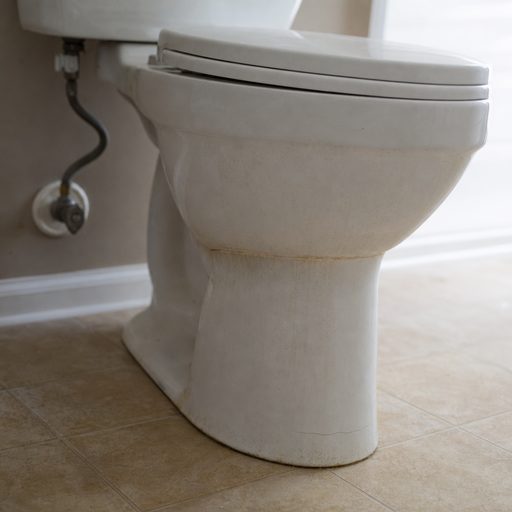
Signs Your Toilet Is Wearing Out
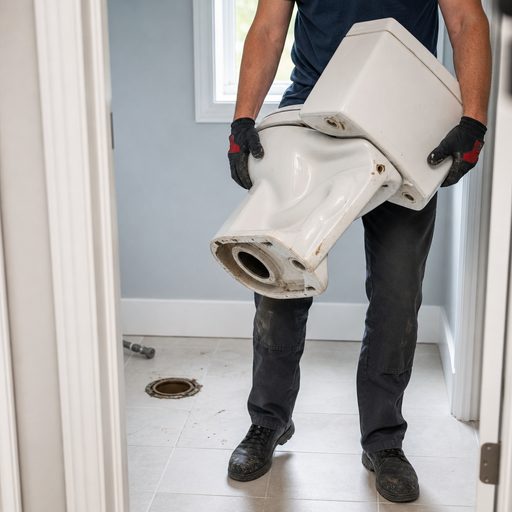
Old Toilet Removal and Disposal: How It Works
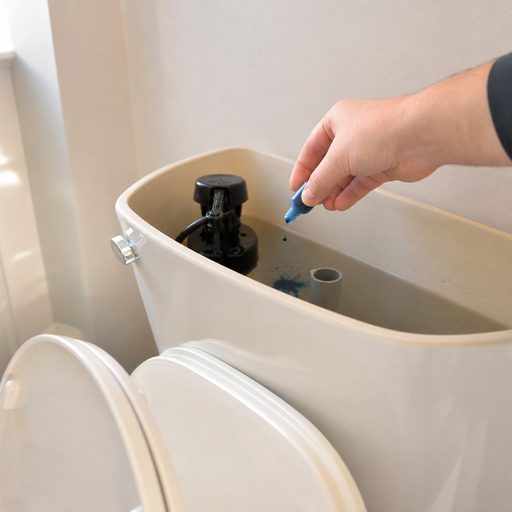
How to Tell If Your Toilet Is Leaking
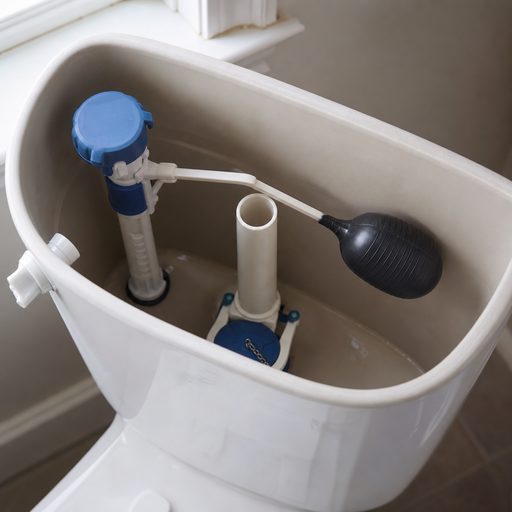
Common Toilet Parts That Fail and What They Do
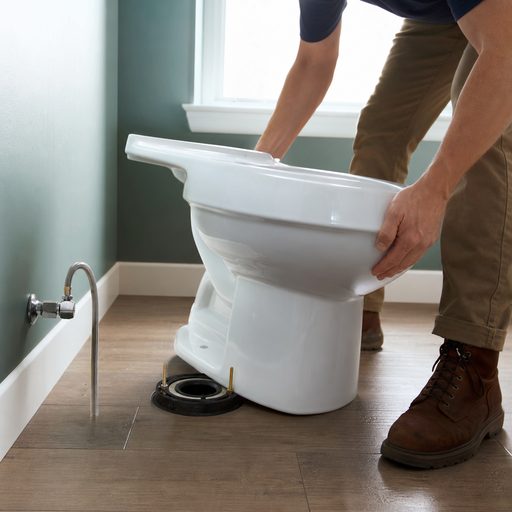
What to Expect During a Toilet Installation
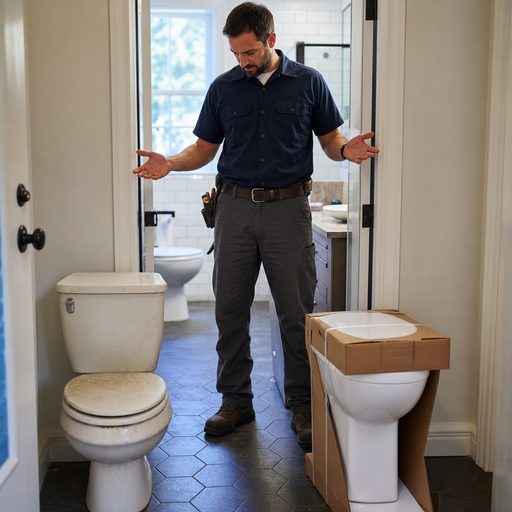
Repairing vs. Replacing a Toilet
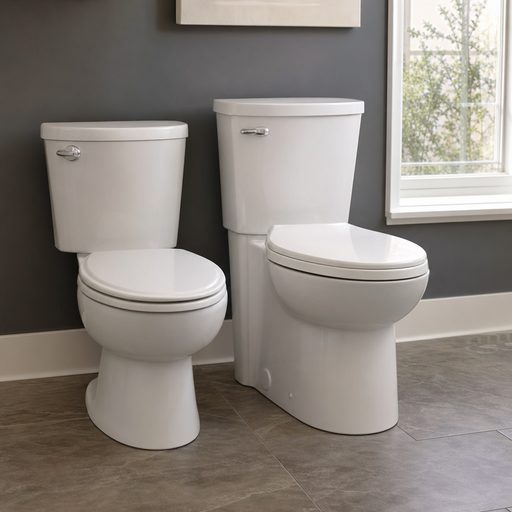
How to Choose a New Toilet: Height, Shape, and Efficiency
Why Your Toilet Keeps Clogging
Why Is My Toilet Not Flushing Properly?
Need Plumbing Help Now?
Call Plumbing Advisors to connect with help for leaks, drains, water heaters, sewer lines, burst pipes, toilets, faucets, and more.
No-obligation request · Availability varies by location and provider