
Plumbing Service
Garbage Disposal Repair
A jammed, humming, or leaking garbage disposal can quickly back up your kitchen sink. Plumbing Advisors helps you understand the problem and connect with disposal repair help.
Plumbing Advisors provides guidance and connection assistance. Independent providers perform the plumbing work and confirm availability, pricing, timing, and credentials.
On this pageOverview
 Plumbing Advisors Editorial TeamEditorial StandardsSource-Checked
Quick summary
- For jammed, humming, leaking, or dead disposals
- A humming unit usually means a jam, not power loss
- Leaks under the unit can damage the cabinet
- Call to describe the issue and get connected
About garbage disposal repair
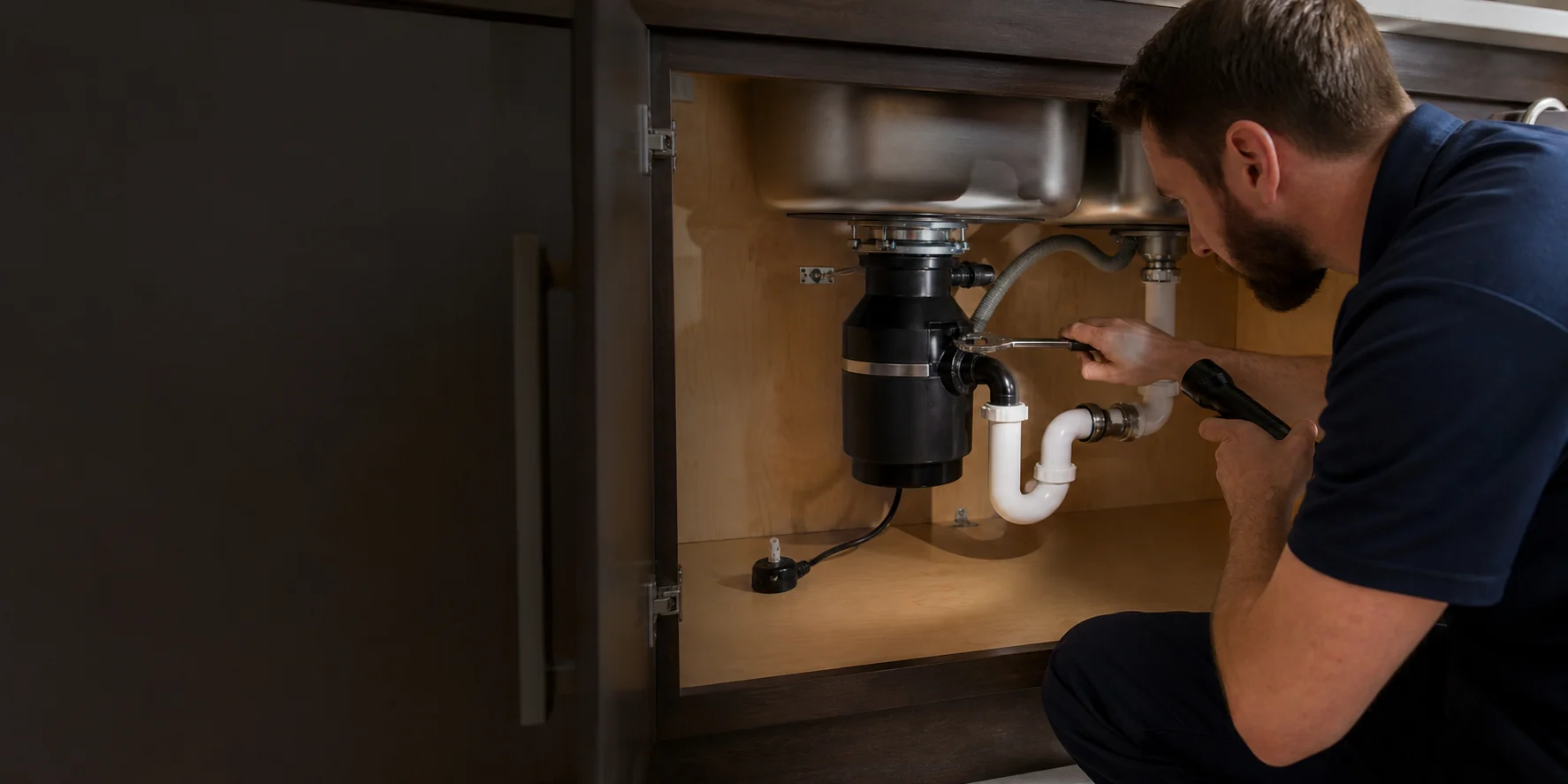
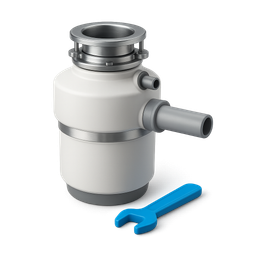
Garbage disposal repair deals with the unit mounted under your kitchen sink that grinds food scraps before they reach the drain. When it stops working, the trouble usually shows up in one of a few ways: it hums but will not turn, it is completely dead, it leaks into the cabinet, or the sink drains slowly because waste is backing up at the disposal. Most of these have a clear cause, from a jam at the impellers to a tripped reset to a worn-out seal. A unit that has simply reached the end of its life is common too.
Safety matters more here than with most fixtures, because a disposal combines spinning blades with electricity and water. Never put a hand into the disposal, and always cut power at the switch, and at the outlet or breaker, before anyone checks inside it. With the power off, a simple reset or clearing a jam can sometimes bring a unit back, but a leaking body or repeated failures usually means it is time for a replacement. Plumbing Advisors is a national service that helps you tell the difference safely and connects you with plumbing professionals who work in your area.
Signs you may need garbage disposal repair
It hums but does not spin
A humming sound usually means the unit has power but something is jamming the impellers. Turn it off at the switch right away, since letting it hum can burn out the motor. Never reach inside to investigate.
The disposal is completely dead
No sound at all often points to a tripped reset button, a tripped breaker, or a wiring problem. The reset button on the bottom of the unit can sometimes restore power, but only check it with the unit switched off.
Water leaking under the unit
Drips or pooling beneath the disposal can come from the sink flange, the drain connections, or a crack in the body. Leaks from the body itself usually mean the unit needs to be replaced rather than repaired.
The sink drains slowly
When water backs up or drains slowly at the disposal side, waste may be caught in the unit or the connected drain line. This is different from a whole-home drain issue and is worth having looked at.
Persistent odor or poor grinding
A unit that no longer breaks food down well, or that smells even after cleaning, may have dull or worn grinding components. It is a sign the disposal is aging.
Rattling or unusual noises
Loud rattling can mean a foreign object such as a utensil or bone fragment is caught inside. Switch the unit off before anything else, and have it cleared rather than running it harder.
What to know
When you need it
- The disposal hums but does not turn
- The disposal is completely unresponsive
- Water leaks from the unit or its connections
- The sink drains slowly because of the disposal
Common causes
- An object or food jamming the impellers
- A tripped reset or electrical issue
- Worn internal components
- Failing seals causing leaks
- A unit that has reached the end of its life
What to check first
- Turn the disposal off before checking anything
- Press the reset button on the bottom of the unit
- Never put your hand into the disposal
- Check under the sink for leaks at the connections
When to call a pro
- The unit still will not run after a reset
- Water leaks from the disposal body
- You suspect an electrical problem
- You want the unit repaired or replaced
Repair vs. replace the disposal
Once power is safely off and the problem is diagnosed, the choice is usually between fixing the existing unit and putting in a new one. Here is how the two compare.
Repair it
A repair makes sense when the unit is fairly new and the problem is a jam, a tripped reset, or a loose drain connection. These are quick fixes that get a sound disposal running again without much cost. If the body is dry and the motor still has life, repair is usually the practical first step.
Replace it
Replacement tends to win out when the body is leaking, the motor has failed, or the unit jams and stalls repeatedly. Because disposals are relatively affordable to swap, putting in a new one is often more cost-effective than chasing problems on an old unit, and it resets the lifespan. A professional can confirm whether yours is past the point of repair.
What a typical garbage disposal repair visit includes
- Confirming the unit is powered off at the switch and outlet or breaker before any inspection
- Checking the reset button and the power supply safely
- Inspecting the body, mounting flange, and drain connections for leaks
- Clearing a jam or removing a caught object from the unit
- Replacing seals or reconnecting the drain when that is the issue
- Installing a new disposal when replacement is the better choice
- Testing operation and checking for leaks before finishing
What garbage disposal repair costs
A garbage disposal repair quote should be based on the inspected scope, access, parts or equipment, permits, restoration, and urgency. Compare written quotes that describe the same work.
Typical garbage disposal repair costs
| Project | Typical cost range |
|---|---|
| Disposal repair | $110–$330 |
| Leak repair (gasket / seal) | $130–$380 |
| Electrical component repair | $145–$480 |
| Full replacement, 3/4 HP | $240–$580 |
Service-call fees
| Service | Typical cost range |
|---|---|
| Diagnostic / service call | $75–$185 per visit |
Cost ranges are estimates developed from standardized project scopes and reviewed pricing inputs. Government labor and regional cost data are used where applicable. See our Pricing Methodology for the exact sources, calculations, and review date. Actual prices vary by property, scope, materials or equipment, location, and provider.
What affects the cost
- Whether it is a simple jam or reset versus a motor or electrical failure
- The disposal's horsepower and build quality (aluminum vs. stainless steel)
- Whether the unit can be repaired or has reached the end of its life
- Accessibility under the sink and condition of the mounting and wiring
- After-hours or emergency service, which raises the rate
Typical service process
- 1Turn off the disposal and confirm it is off
- 2Try the reset button safely
- 3Connect with a plumbing professional that services your area
- 4Have the unit and connections inspected
- 5Repair the jam or leak, or replace the unit
- 6Test operation and check for leaks
How to choose the right pro
- Confirm the professional is licensed and insured where your state requires it
- Ask for a written estimate before work begins
- Get the scope itemized so you can see the unit cost versus labor
- Ask whether they recommend repair or replacement and why
- Check that a new unit and the installation carry a warranty
- Read recent reviews and look for clear, safety-minded communication
How Plumbing Advisors helps
Plumbing Advisors helps you safely rule out a simple reset and tell when a disposal needs professional repair or replacement, then connects you with plumbing professionals that service your area. For safety, never reach into a disposal. Availability and pricing vary by location and provider.
Frequently asked questions
My disposal is humming but not spinning. What does that mean?
A humming sound usually means the unit has power but something is jamming it. Turn it off first. Our garbage disposal humming guide explains safe next steps, but never put your hand inside the unit.
Where is the reset button?
Most disposals have a small reset button on the bottom of the unit under the sink. If the disposal is dead, pressing it after turning the unit off can sometimes restore power.
Should I repair or replace a disposal?
Minor jams and resets are simple. But a leaking body or a unit that fails repeatedly often points to replacement, which can be more cost-effective. A professional can advise.
Sources and further reading
These references support the safety and technical guidance on this page.
Garbage Disposal Repair guides
Learn before your garbage disposal repair.
Free guides on cost, common problems, repairs, and what to expect — written to help you make the call with confidence.
How to Keep a Garbage Disposal Clean and Odor-Free
Should You Repair or Replace Your Garbage Disposal?
What Not to Put Down a Garbage Disposal
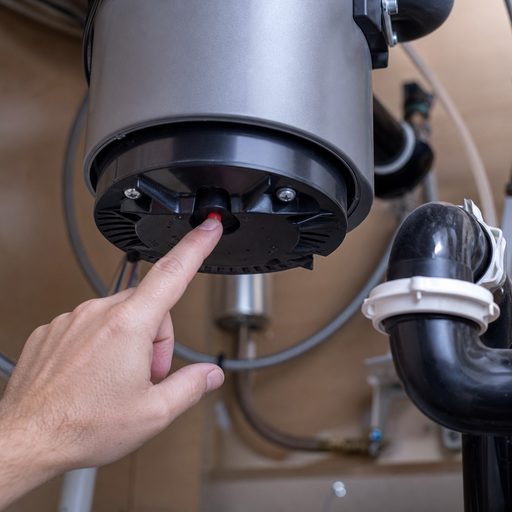
Garbage Disposal Won't Turn On? Try the Reset Button First
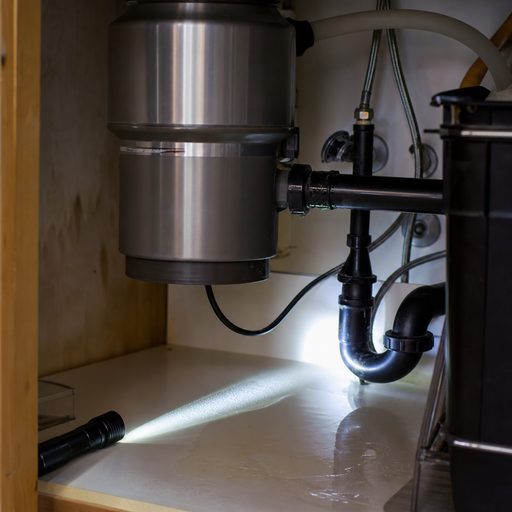
Why Is My Garbage Disposal Leaking?
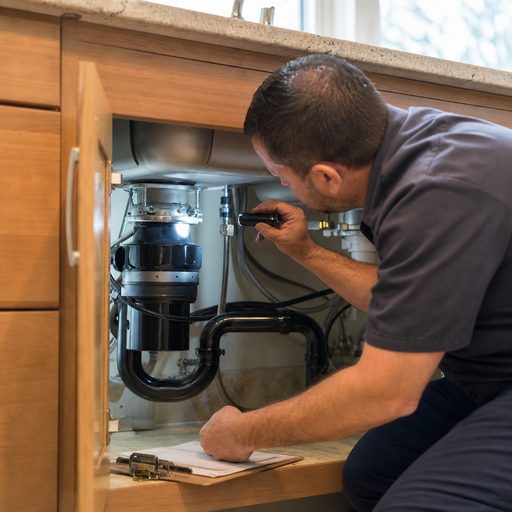
What Does Garbage Disposal Repair or Replacement Cost?
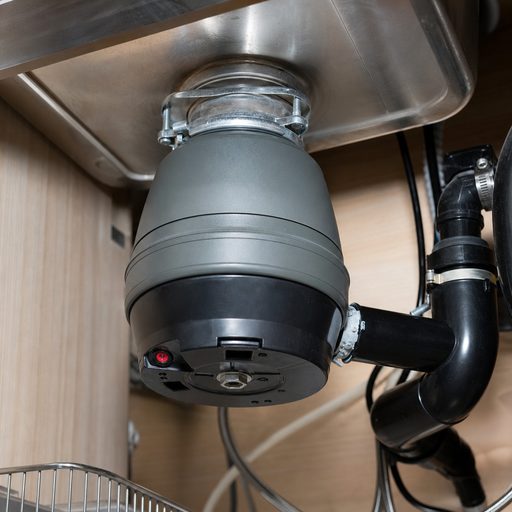
What to Do If Your Garbage Disposal Is Humming
How Often Should Your Home's Plumbing Be Inspected?
What Does a Sewer Ejector Pump Do (and When Do You Need One)?
Start with the symptom
Common problems related to this service
Choose your area
Garbage Disposal Repair near you
Find garbage disposal repair in your state or city. Availability varies by location and provider.
Garbage Disposal Repair by state
AlabamaAL6 cities
ArizonaAZ8 cities
ArkansasAR5 cities
CaliforniaCA9 cities
ColoradoCO8 cities
ConnecticutCT6 cities
DelawareDE5 cities
FloridaFL8 cities
GeorgiaGA8 cities
IllinoisIL9 cities
IndianaIN8 cities
IowaIA6 cities
KentuckyKY6 cities
LouisianaLA6 cities
MarylandMD7 cities
MassachusettsMA8 cities
MichiganMI9 cities
MinnesotaMN7 cities
MississippiMS5 cities
MissouriMO8 cities
NevadaNV6 cities
New HampshireNH5 cities
New JerseyNJ8 cities
New MexicoNM5 cities
New YorkNY10 cities
North CarolinaNC8 cities
North DakotaND5 cities
OhioOH9 cities
PennsylvaniaPA9 cities
Rhode IslandRI5 cities
South CarolinaSC6 cities
South DakotaSD5 cities
TennesseeTN7 cities
TexasTX10 cities
UtahUT6 cities
VermontVT5 cities
VirginiaVA8 cities
WashingtonWA8 cities
West VirginiaWV5 cities
WisconsinWI7 cities
Need Plumbing Help Now?
Call Plumbing Advisors to connect with help for leaks, drains, water heaters, sewer lines, burst pipes, toilets, faucets, and more.
No-obligation request · Availability varies by location and provider