
Plumbing Service
Sewer Line Repair
Sewer line problems can affect your whole home and create unsanitary conditions. Plumbing Advisors helps you recognize the warning signs and connect with sewer line help.
Plumbing Advisors provides guidance and connection assistance. Independent providers perform the plumbing work and confirm availability, pricing, timing, and credentials.
On this pageOverview
 Plumbing Advisors Editorial TeamEditorial StandardsSource-Checked
Quick summary
- For backups, sewer odors, and root intrusion
- Often affects multiple drains at once
- A camera inspection usually pinpoints the problem
- Call promptly; backups can be a health concern
About sewer line repair
Sewer line repair addresses problems in the main pipe that carries waste from your home to the municipal sewer or septic system. Because every drain in the house empties into this one line, trouble here can affect the whole home at once rather than a single fixture. Common causes include tree roots working into joints, cracked or collapsed pipe, separated sections, and bellied stretches that sag and trap waste. A professional typically starts with a camera inspection to see exactly what is wrong and where, which makes the repair far more precise than guesswork.
Sewer problems deserve prompt attention because a backup can be unsanitary and can damage your home. Safe steps for a homeowner are limited: stop using water and drains so the situation does not worsen, keep people and pets away from any sewage, and call a professional. Do not try to dig up, open, or work on the sewer line yourself. It involves buried pipe, contaminated material, and sometimes locating other utilities, all of which a qualified pro is equipped to handle. Your job is to recognize the warning signs and get the right help.
Signs you may need sewer line repair
Multiple drains back up at once
When toilets, tubs, and sinks back up together rather than one at a time, the blockage is usually in the main line that serves them all. This is one of the clearest signs the sewer line is involved.
Sewage odors indoors or in the yard
A persistent sewage smell can mean a cracked or broken line is letting gases escape. Odors in the yard may point to a leak underground along the pipe's path.
Water rises in a fixture when you use another
If flushing a toilet pushes water up into a tub or shower, waste cannot move past a blockage downstream. This back-and-forth between fixtures points toward the main line.
Gurgling toilets and slow drains throughout
Whole-home gurgling and sluggish drains often mean air and water are struggling past an obstruction in the main line. The pattern across the house separates this from a single clogged drain.
Sewage backing up into low drains
Waste coming up in a basement floor drain, tub, or shower is a serious sign of a main-line blockage or break. Stop using water and keep the area clear until a professional can inspect it.
Unusually lush or sunken spots in the yard
A patch of grass that is greener than the rest, or ground that sinks along the line's path, can indicate a leak or collapse underground. It is worth mentioning when you call for an inspection.
What to know
When you need it
- Multiple drains back up at the same time
- You smell sewage indoors or in the yard
- Toilets gurgle or drain slowly throughout the home
- Sewage is backing up into tubs or floor drains
Common causes
- Tree and shrub roots intruding into the line
- Pipe collapse, cracks, or separated joints
- Grease and debris buildup over years
- Bellied or sagging sections that trap waste
- Aging clay or cast iron sewer pipes
What to check first
- Stop using water and drains to avoid worsening a backup
- Note whether the whole home or one area is affected
- Keep people and pets away from any sewage
- Do not attempt to dig or open the sewer line yourself
When to call a pro
- Any sewage backup needs prompt professional attention
- Multiple fixtures back up together
- You notice persistent sewer odors
- Drains across the home gurgle or run slow
Trenchless vs. traditional dig, and repair vs. replacement
After a camera inspection, a professional will recommend both how to access the line and how far the work needs to go. Two related choices shape the job.
Trenchless repair
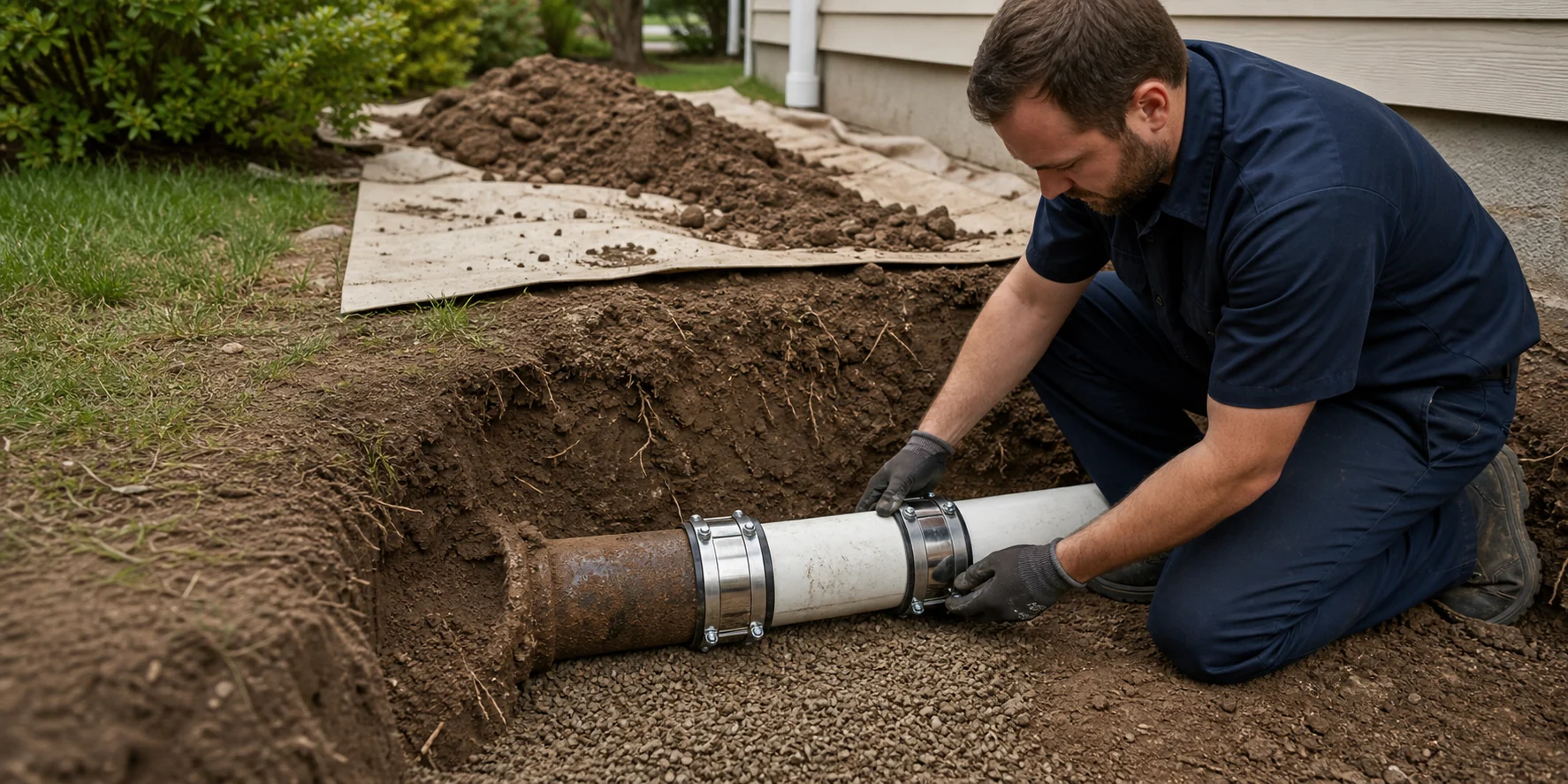
Trenchless methods repair or reline the pipe with little or no digging, often through existing access points. They can mean less disruption to your yard, driveway, and landscaping. Whether trenchless is an option depends on the pipe's condition, material, and layout, so a pro confirms it after seeing the line on camera.
Traditional dig (open trench)
A conventional dig exposes the pipe so a section can be repaired or replaced directly. It is sometimes the right call for a fully collapsed line, a badly bellied section, or a layout that trenchless cannot reach. It is more disruptive but allows the pro to address damage that other methods cannot.
Repair vs. replacement
A localized crack, root intrusion, or single bad joint can often be spot-repaired or relined. A line that is collapsed, sagging in multiple places, or near the end of its life may be better replaced so the problem does not keep returning. The camera inspection guides this call, and a good pro will explain the trade-offs of each.
What a typical sewer line repair visit includes
- A camera inspection to locate and identify the problem
- An explanation of the cause and the recommended options
- Clearing the line when a blockage is the immediate issue
- The chosen repair, such as spot repair, relining, or section replacement
- Any required permits for the work, where applicable
- Restoration of flow and a check that the line is sound
- Cleanup of the work area after the repair
What sewer line repair costs
A sewer line repair quote should be based on the inspected scope, access, parts or equipment, permits, restoration, and urgency. Compare written quotes that describe the same work.
Typical sewer line repair costs
| Project | Typical cost range |
|---|---|
| Main line cleaning (snaking) | $185–$670 |
| Spot / section repair | $1,250–$5,500 |
| Full line replacement | $6,500–$32,500 |
Cost ranges are estimates developed from standardized project scopes and reviewed pricing inputs. Government labor and regional cost data are used where applicable. See our Pricing Methodology for the exact sources, calculations, and review date. Actual prices vary by property, scope, materials or equipment, location, and provider.
What affects the cost
- The cause, from root intrusion to a collapsed pipe
- Depth and length of the affected line
- Repair method (clearing, spot repair, trenchless lining or bursting, or full replacement)
- Whether the line can be accessed trenchlessly or needs an open trench
- Yard, driveway, and landscaping restoration after a dig
- Permits and local inspection requirements
- Regional labor rates
Typical service process
- 1Stop using water to prevent further backup
- 2Keep the area around any backup clear and safe
- 3Connect with a plumbing professional that services your area
- 4Have the line inspected, typically with a sewer camera
- 5Review repair options such as clearing, spot repair, or replacement
- 6Confirm flow is restored and the line is sound
How to choose the right pro
- Confirm the professional you are connected with is licensed and insured where your state requires it
- Expect a camera inspection before any major repair is quoted
- Ask for a written, itemized estimate covering method and scope
- Ask whether trenchless and dig options were both considered and why
- Check what warranty is offered on the repair or replacement
- Read recent reviews and look for clear explanations of the trade-offs
How Plumbing Advisors helps
Plumbing Advisors helps you recognize when a problem is in the main sewer line rather than a single drain, then connects you with plumbing professionals that service your area. Because sewer issues can be unsanitary, calling promptly is important. Repair methods, availability, and pricing vary by location and provider.
Frequently asked questions
How do I know if it is my sewer line and not a single drain?
If multiple fixtures back up at once, if draining one fixture causes water to rise in another, or if you notice sewer odors throughout the home, the main sewer line may be involved rather than a single drain.
What is a sewer camera inspection?
A plumbing professional runs a small camera through the line to see the cause and location of a problem, such as roots, a crack, or a collapse. It helps target the repair and avoid guesswork.
Can sewer lines be repaired without digging up my yard?
Sometimes. Trenchless methods can repair or reline a sewer pipe with minimal digging, depending on the line's condition and layout. Ask the professional whether it is an option for your situation.
Is a sewer backup a health hazard?
Yes. Sewage can be unsanitary, so keep people and pets away from any backup, stop using water, and call for help promptly.
Sources and further reading
These references support the safety and technical guidance on this page.
Sewer Line Repair guides
Learn before your sewer line repair.
Free guides on cost, common problems, repairs, and what to expect — written to help you make the call with confidence.
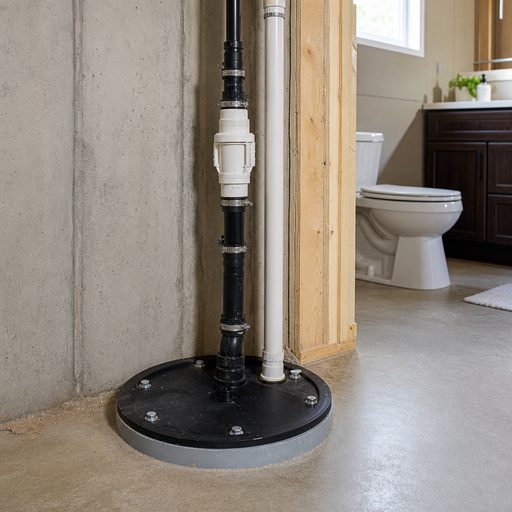
What Does a Sewer Ejector Pump Do (and When Do You Need One)?
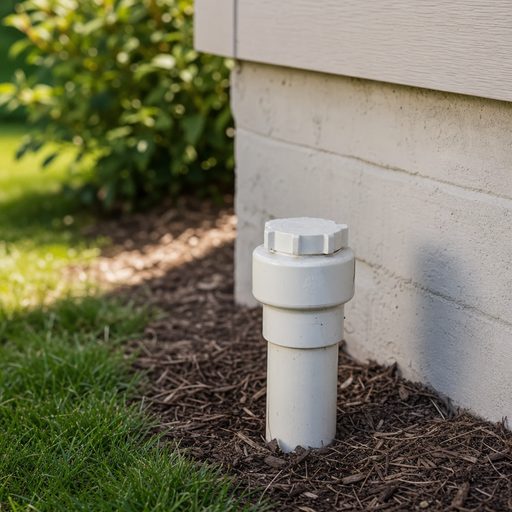
What Is a Sewer Cleanout and Where Do You Find It?
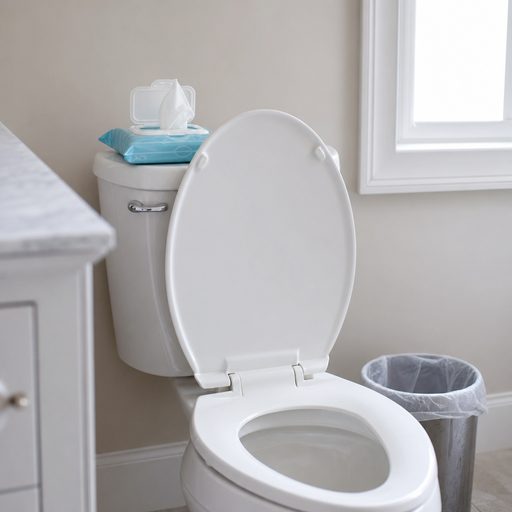
Do Flushable Wipes Really Cause Clogs?
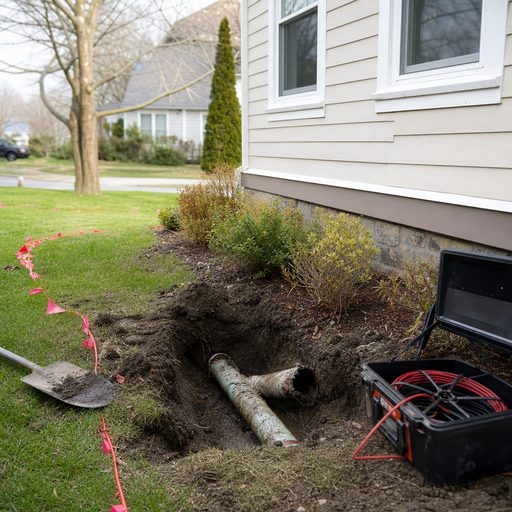
Does Homeowners Insurance Cover Sewer Line Replacement?
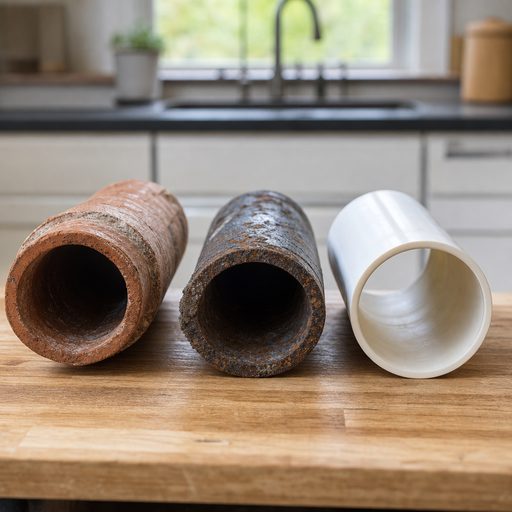
How Long Does a Sewer Line Last by Material?

Is a Clogged Drain a Plumbing Emergency?
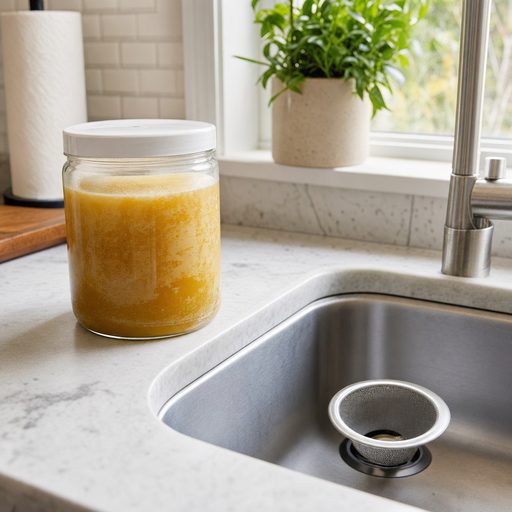
How to Prevent Sewer Line Problems

Yard and Landscaping Restoration After Sewer Replacement
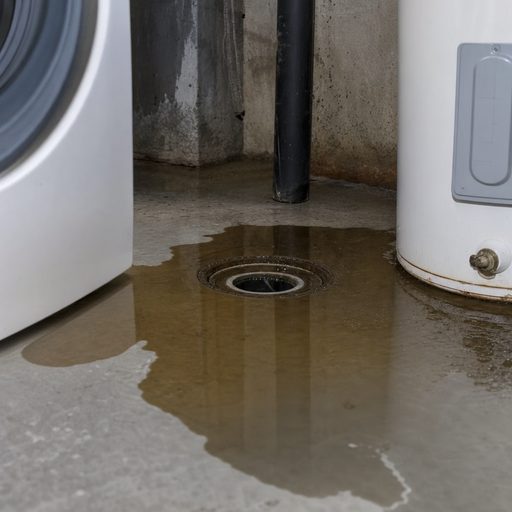
Why Are Multiple Drains Clogged at Once?
Start with the symptom
Common problems related to this service
 Water is backing up in the showerSchedule plumbing service soon
 Several drains are backing up at the same timeStop the water if you can and arrange urgent serviceThere is a sewer odor inside the houseSchedule plumbing service soon
 Sewage is backing up into the homeKeep away from the hazard and act now
Choose your area
Sewer Line Repair near you
Find sewer line repair in your state or city. Availability varies by location and provider.
Sewer Line Repair by state
ArizonaAZ8 cities
ArkansasAR5 cities
CaliforniaCA9 cities
ColoradoCO8 cities
ConnecticutCT6 cities
DelawareDE5 cities
FloridaFL8 cities
GeorgiaGA8 cities
IllinoisIL9 cities
IndianaIN8 cities
KentuckyKY6 cities
LouisianaLA6 cities
MarylandMD7 cities
MassachusettsMA8 cities
MichiganMI9 cities
MinnesotaMN7 cities
MississippiMS5 cities
MissouriMO8 cities
NebraskaNE5 cities
New HampshireNH5 cities
New JerseyNJ8 cities
New MexicoNM5 cities
New YorkNY10 cities
North CarolinaNC8 cities
North DakotaND5 cities
OhioOH9 cities
OklahomaOK5 cities
PennsylvaniaPA9 cities
Rhode IslandRI5 cities
South CarolinaSC6 cities
South DakotaSD5 cities
TennesseeTN7 cities
TexasTX10 cities
VirginiaVA8 cities
WashingtonWA8 cities
West VirginiaWV5 cities
WisconsinWI7 cities
Need Plumbing Help Now?
Call Plumbing Advisors to connect with help for leaks, drains, water heaters, sewer lines, burst pipes, toilets, faucets, and more.
No-obligation request · Availability varies by location and provider