 Plumbing Advisors Editorial TeamEditorial StandardsReviewed July 19, 2026Source-Checked
The short answer
What this problem usually points to
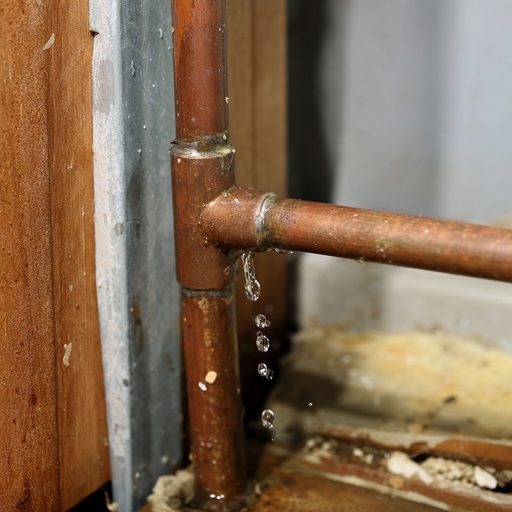
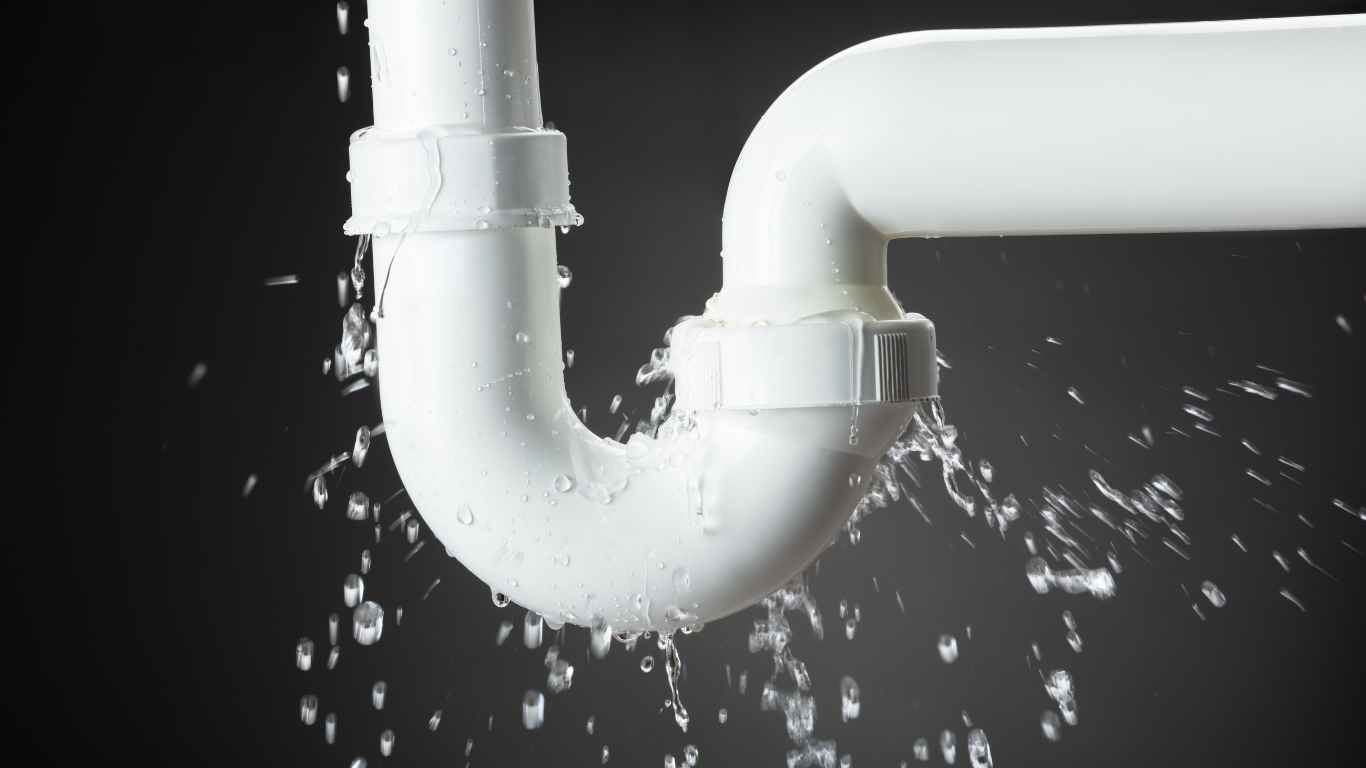
Water under a sink usually comes from a supply connection, drain joint, faucet body, disposal, or water running over the sink rim. Dry the cabinet, then watch where fresh water first appears while using one fixture function at a time.
Schedule plumbing service soon
The problem may become more disruptive or damaging if it continues, so arrange an inspection instead of repeatedly working around it.
What the visible pattern can mean
These are routing clues, not a confirmed diagnosis. The safe next step changes with where the water appears, which fixtures are affected, and whether the problem is active.
| What you notice | What it may mean | Safe next step |
|---|---|---|
| Water appears even when the drain is not used | A supply hose, shutoff, or faucet connection may be leaking | Close the fixture shutoffs if they turn easily |
| Water appears only while the sink drains | A trap, drain washer, disposal, or drain connection may be leaking | Stop using that basin and place a container below the drip |
| The cabinet is wet but no drip is visible | Water may be following the faucet, counter, or sink rim | Dry the area and check again without disassembling connections |
Safe checks and important limits
Safe checks you can make
- Dry the cabinet completely so the first new drop is easier to trace.
- Run cold water, hot water, and the drain separately while watching from a safe position.
- Check whether the garbage disposal or dishwasher connection is wet.
Stop before these steps
- Do not tighten plastic drain fittings aggressively; they can crack.
- Do not reach into or remove a garbage disposal while it is powered.
When to call a plumber
- Call when the source is unclear, the cabinet keeps getting wet, or a shutoff valve itself leaks.
- Stop using the sink if water reaches an outlet, disposal wiring, or the cabinet floor.
Recommended services
Where to start
Start with the first service below. A plumber can confirm whether a related service is needed after inspecting the problem.
Questions homeowners ask
Frequently asked questions
Is water is collecting under the sink an emergency?
Schedule plumbing service soon. The problem may become more disruptive or damaging if it continues, so arrange an inspection instead of repeatedly working around it.
What can I check safely before a plumber arrives?
Dry the cabinet completely so the first new drop is easier to trace. Run cold water, hot water, and the drain separately while watching from a safe position. Stop if the situation changes or the check would require opening a wall, drain, appliance, or powered component.
Which plumbing service should I request?
Faucet and Sink Repair is the best starting point for this visible symptom. A plumbing professional still needs to inspect the system before confirming the cause or repair.
What should I tell the plumber?
Share when the problem started, whether it is constant or intermittent, which fixtures are affected, and any water, odor, noise, temperature change, or recent plumbing work you noticed.
Sources and further reading
These references support the safety and system guidance used to route this observable plumbing problem. They do not diagnose a specific property.