 Plumbing Advisors Editorial TeamEditorial StandardsUpdated May 27, 2026Source-Checked
A toilet looks simple from the outside, but inside the tank is a small set of parts that work together every time you flush. The reassuring part is that almost all of these components are inexpensive and designed to be replaced when they wear out, which is why so many toilet problems turn out to be minor. Knowing what each part does, and which ones tend to fail, makes it far easier to understand a symptom you are seeing and to follow what a plumber recommends. This is a quick tour of the workings of a typical toilet and the parts most likely to give you trouble.
How a Flush Actually Works
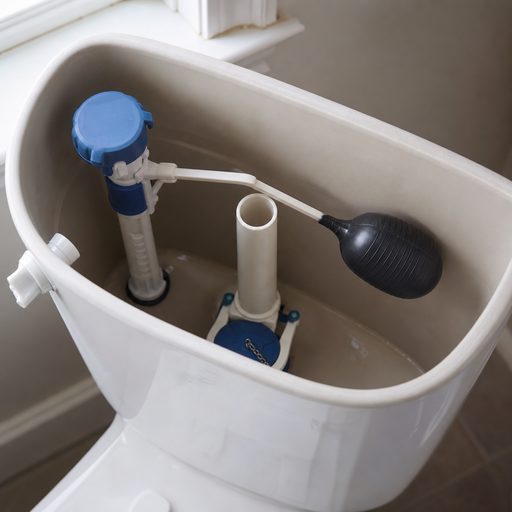
When you push the handle, a chain lifts a rubber flapper at the bottom of the tank, releasing the stored water into the bowl. That rush of water creates the siphon that pulls waste down the drain. As the tank empties, the flapper drops back down and seals the opening so the tank can refill. A float then rises with the incoming water and signals the fill valve to shut off once the tank is full, while an overflow tube safely carries away any excess so the tank cannot overfill. Understanding this cycle makes most toilet symptoms much easier to place, because a specific complaint usually points to a specific part.
The Parts Most Likely to Fail
- The flapper. This rubber seal at the bottom of the tank opens to flush and closes to refill. It is the single most common part to fail, warping or hardening with age until it no longer seals, which causes a running toilet.
- The fill valve. This refills the tank after each flush and shuts off when the tank is full. A worn fill valve can run constantly, refill slowly, or make hissing and whistling noises.
- The float. Attached to or part of the fill valve, the float tells the valve when to stop. A misadjusted or stuck float can overfill the tank or shut the water off too early, weakening the flush.
- The flush valve and flapper seat. The opening the flapper seals against can develop mineral buildup or rough spots that prevent a tight seal even with a new flapper.
- The handle and lift chain. A broken handle or a chain that is tangled, too long, or too short can leave the flapper stuck open or unable to lift at all.
- The wax ring. Hidden beneath the toilet, this seal connects the base to the drain. When it dries out or shifts, water can leak onto the floor at the base.
Match the part before you replace it
Flappers and fill valves come in different sizes and styles, and a mismatched flapper is a common reason a toilet keeps running after a repair. Note the brand and model of your toilet, or bring the old part along, so the replacement matches. Always turn off the toilet's shutoff valve before removing any part inside the tank.
Matching Symptoms to Parts
Once you know the parts, a symptom often points straight to a culprit. A toilet that runs constantly usually means a flapper that no longer seals or a float set too high. A tank that fills slowly or makes noise points to the fill valve. A weak or incomplete flush can come from a low water level set by the float, buildup in the flush valve, or a chain with too much slack. Water pooling at the base most often means the wax ring underneath has failed. None of this replaces a professional diagnosis, but it helps you describe the problem accurately and understand why a plumber recommends a particular fix.
When to Call a Professional
Many tank parts are designed to be replaced, but it is easy to install the wrong size, overtighten a connection, or chase the wrong cause, and some repairs, like replacing a wax ring, require lifting the toilet off the floor. Toilet repair service can identify exactly which part has failed, install the correct replacement, and confirm the toilet works as it should. If several parts are worn at once or the fixture itself is aging, toilet replacement may be the better value. To weigh that choice, our guide on repairing versus replacing a toilet walks through the trade-offs, and our guide on how much toilet repair costs explains what drives the price once you know which part is involved.
Sources and further reading
These references support material safety, technical, consumer, or planning guidance in this article. Confirm property-specific requirements with the applicable authority and professional.