
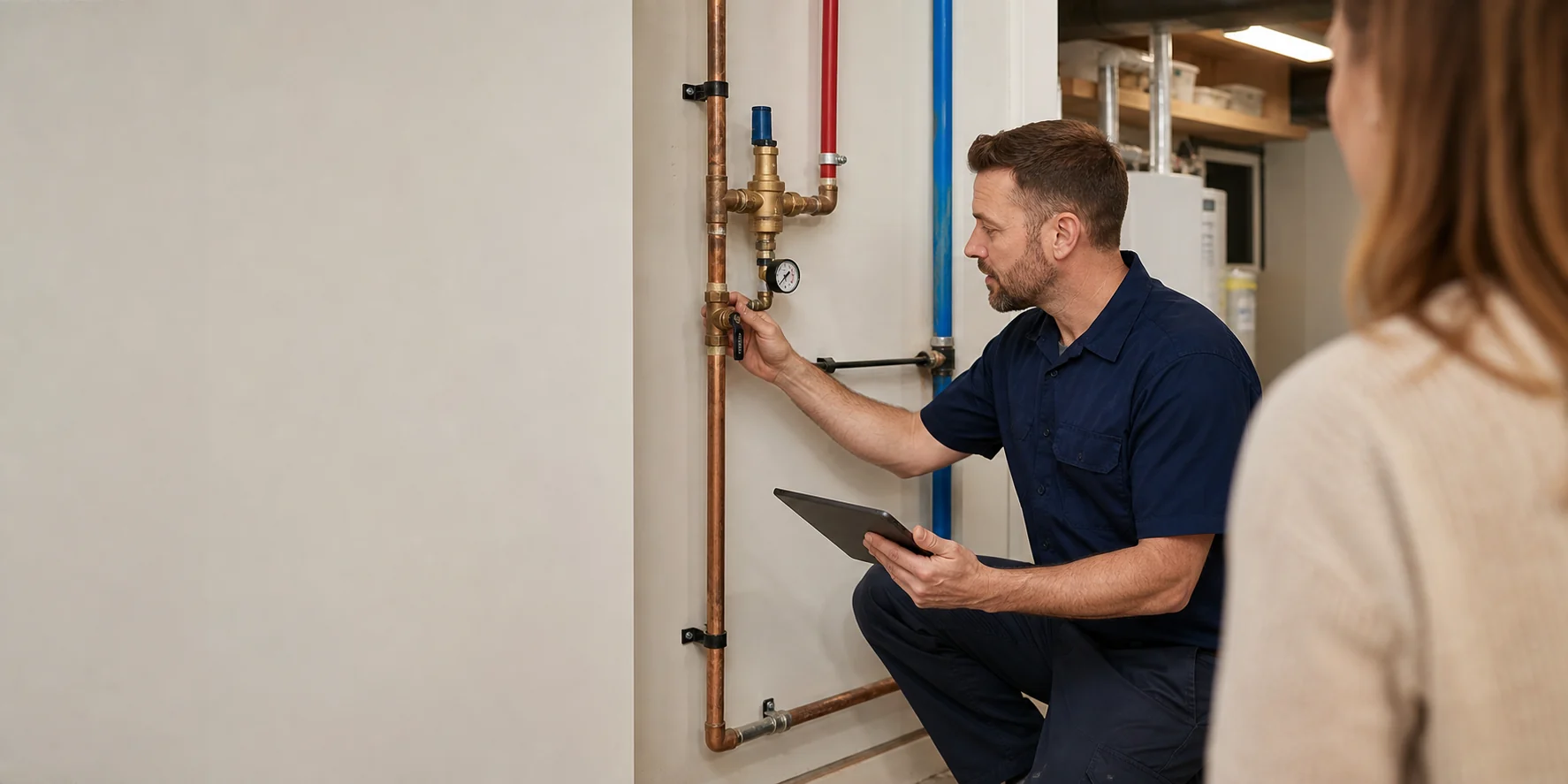
Plumbing Service
Plumbing
From a dripping faucet to a major leak, plumbing problems rarely wait for a convenient time. Plumbing Advisors helps you understand what is happening and connect with plumbing professionals that service your area.
Plumbing Advisors provides guidance and connection assistance. Independent providers perform the plumbing work and confirm availability, pricing, timing, and credentials.
On this pageOverview
 Plumbing Advisors Editorial TeamEditorial StandardsSource-Checked
Quick summary
- Covers repairs, installations, leaks, drains, and water heaters
- Good starting point when you are not sure which service you need
- Plumbing Advisors helps match your issue to the right type of help
- Phone-first: call to describe the problem and get connected
About plumbing
Plumbing covers the water, drain, and venting systems that run through your whole home, plus the fixtures and appliances connected to them. That includes supply lines, drain and sewer lines, water heaters, toilets, faucets, sinks, garbage disposals, and sump pumps. Because these systems are linked, a symptom in one place can point to a cause somewhere else. This page is a good starting point when you have a plumbing problem but are not yet sure which specific service it falls under.
Most plumbing issues fall into a few buckets: leaks, slow or clogged drains, water heater trouble, weak water pressure, and worn or failing fixtures. Some are small and can wait for a scheduled visit, while others spread water and need attention right away. The goal here is to help you describe what is happening, take a few safe first steps, and connect with a plumbing professional that services your area when the situation calls for one.
Signs you may need plumbing help
Drips, stains, or pooling water
Water where it should not be, including under sinks, around fixtures, or on ceilings and walls, usually means a leak. Even a slow drip can damage cabinets, flooring, and drywall over time, so it is worth tracing the source early.
Slow or backing-up drains
A single slow drain is often a local clog, but several slow drains or water backing up when you run a fixture can signal a deeper line problem. Gurgling sounds and odors point the same direction.
Weak or uneven water pressure
Low pressure at one fixture is often a clogged aerator or partly closed valve. When it affects the whole home, the cause is usually broader and worth having checked.
No hot water or water that runs out fast
Lukewarm water, water that runs cold quickly, or no hot water at all usually points to the water heater. Popping or rumbling from the tank is another common warning sign.
Several small problems at once
A running toilet here, a dripping faucet there, and a slow drain can each seem minor. Together they often reflect the age of the plumbing and are worth reviewing so you know what to address first.
Higher water bills without a clear reason
A jump in usage you cannot explain often means a hidden leak, such as a running toilet or a pipe behind a wall. Checking your water meter with everything off can help confirm it.
What to know
When you need it
- You have a plumbing problem but are not sure how to categorize it
- Multiple small issues are adding up around the home
- You are buying, selling, or maintaining a property
- You want guidance before deciding what to fix first
Common causes
- Aging pipes, fittings, and fixtures
- Mineral buildup from hard water
- Wear on washers, valves, and seals
- Tree roots, ground shifting, or freeze-thaw cycles
- Improper past repairs or DIY work
What to check first
- Locate your main water shutoff so you can stop water quickly if needed
- Note which fixtures or areas are affected
- Look for visible drips, stains, or pooling water
- Avoid using a fixture that is leaking or backing up
When to call a pro
- Water is leaking and you cannot stop it
- More than one drain or fixture is affected at once
- You smell sewage or notice backups
- You are unsure whether an issue is minor or serious
Handling it yourself vs. calling a pro
Some plumbing tasks are safe to try at home, while others are best left to a professional. The line usually comes down to safety, whether you can stop the water, and how much of the system is involved.
Reasonable to handle yourself
Safe basics include plunging a single clogged toilet or drain, cleaning a faucet aerator, tightening a visible connection, clearing hair from a stopper, and shutting off water at a fixture or the main. These are low-risk and easy to undo. If a simple fix does not hold or the problem returns, treat that as a sign to call.
Call a plumbing professional
Bring in a pro for leaks you cannot stop, water damage or corrosion, whole-home pressure problems, sewer or drain backups, water heater trouble, and anything inside a wall, floor, or slab. Never work on a gas line or relight a pilot, and never dig up a sewer line or foundation yourself. When in doubt, describe the symptom and let a professional assess it.
What a typical plumbing visit includes
- A conversation about the symptom and where it is happening
- Inspection of the affected fixture, appliance, or line
- Diagnosis of the underlying cause, not just the symptom
- A recommended repair or replacement with pricing
- The agreed-upon repair or installation work
- Testing for leaks and proper operation afterward
- Cleanup of the immediate work area
What plumbing costs
A plumbing quote should be based on the inspected scope, access, parts or equipment, permits, restoration, and urgency. Compare written quotes that describe the same work.
Typical plumbing costs
| Project | Typical cost range |
|---|---|
| Common small repair (faucet, toilet, valve) | $140–$490 |
Service-call fees
| Service | Typical cost range |
|---|---|
| Service call / call-out fee | $60–$185 per visit |
| Trip fee | $45–$165 per visit |
Hourly labor rates
| Labor | Typical cost range |
|---|---|
| Hourly labor rate | $80–$215 per hour |
Cost ranges are estimates developed from standardized project scopes and reviewed pricing inputs. Government labor and regional cost data are used where applicable. See our Pricing Methodology for the exact sources, calculations, and review date. Actual prices vary by property, scope, materials or equipment, location, and provider.
What affects the cost
- Whether the plumber bills hourly or uses a flat per-job rate
- The type of problem and how much of the system is involved
- How accessible the work is, such as under a sink versus inside a wall
- Quality of the parts, fixtures, or appliances being installed
- Whether the visit is routine or after-hours and urgent
- Local labor rates and any permits the work requires
- Overall scope, from a single fix to several issues at once
Typical service process
- 1Describe the symptom and where it is happening
- 2Shut off water at the fixture or main if it is safe and accessible
- 3Connect with a plumbing professional that services your area
- 4Have the system, fixture, or appliance inspected
- 5Review recommended repairs or replacements and pricing
- 6Confirm the issue is resolved before normal use resumes
How to choose the right pro
- Confirm the professional is licensed and insured where your state requires it
- Ask for a written, itemized estimate before work begins
- Make sure the diagnosis and recommended scope are explained in plain terms
- Ask what warranty covers the work and the parts
- Read recent reviews and look for consistent, specific feedback
- Choose someone who communicates clearly and answers your questions
How Plumbing Advisors helps
Plumbing Advisors is a nationwide plumbing help and connection service. We help you understand your plumbing problem, point you to the right type of service, and connect you with plumbing professionals that service your area. Availability and pricing vary by location and provider, so calling is the fastest way to get help.
Frequently asked questions
What does a plumber actually handle?
Most plumbing professionals handle leaks, clogged and slow drains, sewer lines, water heaters, pipes, toilets, faucets, sinks, garbage disposals, and sump pumps. If you are unsure who to call, describe the symptom and Plumbing Advisors can help point you to the right service.
How do I know if my plumbing issue is urgent?
Active leaking water, sewage backups, a burst pipe, or no water at all are usually urgent. Slow drains, minor drips, and a running toilet are important but typically not emergencies. When in doubt, call and describe what you are seeing.
Should I shut off my water before calling?
If water is actively leaking and the shutoff is safe and accessible, turning it off can prevent damage. You can shut off an individual fixture valve or the main water valve for the home. Avoid using the affected fixture until it is inspected.
Does Plumbing Advisors do the repair?
Plumbing Advisors is a connection and guidance service. We help you understand the problem and connect you with plumbing professionals that service your area. The professional you are connected with performs the work.
Sources and further reading
These references support the safety and technical guidance on this page.
Plumbing guides
Learn before your plumbing.
Free guides on cost, common problems, repairs, and what to expect — written to help you make the call with confidence.
How Often Should Your Home's Plumbing Be Inspected?
How to Find a Reliable Plumber
Safe Checks to Do Before Calling a Plumber
How Texas Licenses Plumbers (and How to Verify One)
When to Repair vs. Replace a Plumbing Fixture
The Most Common Home Plumbing Repairs
What Do Common Plumbing Repairs Cost?
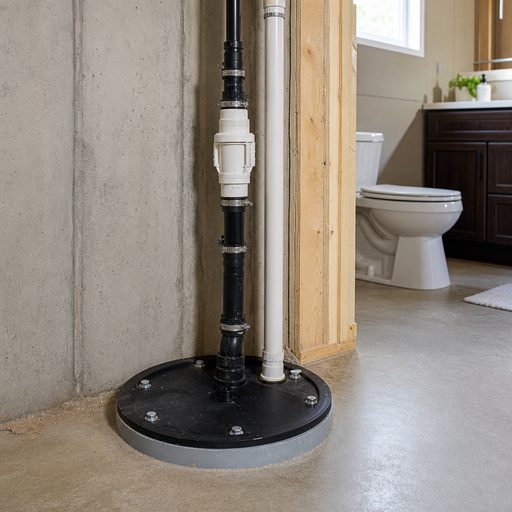
What Does a Sewer Ejector Pump Do (and When Do You Need One)?
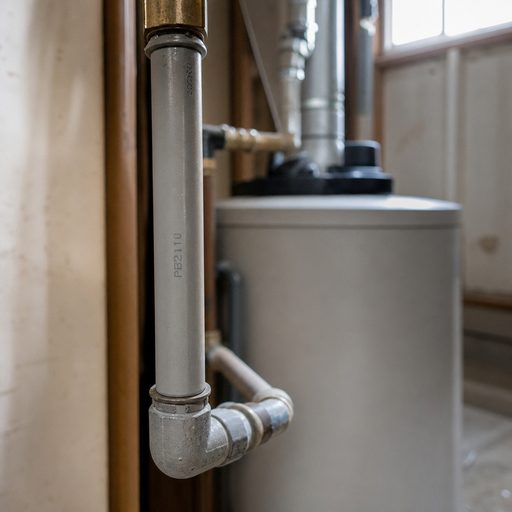
What Is Polybutylene Pipe and Should You Replace It?
Choose your area
Plumbing near you
Find plumbing in your state or city. Availability varies by location and provider.
Plumbing by state
CaliforniaCA9 cities
ColoradoCO8 cities
ConnecticutCT6 cities
DelawareDE5 cities
FloridaFL8 cities
GeorgiaGA8 cities
IdahoID5 cities
IllinoisIL9 cities
IndianaIN8 cities
KansasKS5 cities
LouisianaLA6 cities
MaineME5 cities
MarylandMD7 cities
MassachusettsMA8 cities
MichiganMI9 cities
MinnesotaMN7 cities
MississippiMS5 cities
MissouriMO8 cities
MontanaMT5 cities
NebraskaNE5 cities
New HampshireNH5 cities
New JerseyNJ8 cities
New MexicoNM5 cities
New YorkNY10 cities
North CarolinaNC8 cities
North DakotaND5 cities
OklahomaOK5 cities
PennsylvaniaPA9 cities
Rhode IslandRI5 cities
South CarolinaSC6 cities
South DakotaSD5 cities
TennesseeTN7 cities
TexasTX10 cities
VermontVT5 cities
VirginiaVA8 cities
West VirginiaWV5 cities
WyomingWY5 cities
Need Plumbing Help Now?
Call Plumbing Advisors to connect with help for leaks, drains, water heaters, sewer lines, burst pipes, toilets, faucets, and more.
No-obligation request · Availability varies by location and provider