 Plumbing Advisors Editorial TeamEditorial StandardsUpdated July 5, 2026Source-Checked
Deciding between repairing and replacing a toilet comes down to the condition of your current fixture, the type of problem you’re dealing with, and when repeated fixes just don’t make sense anymore. Most common toilet problems can be solved by replacing a part, but factors like age, cracks, or stubborn inefficiency may tip the balance toward replacement. Understanding what pros look for and how costs stack up helps you make the right call—and know when to contact a professional.
How Do You Decide Whether to Repair or Replace?
The key factors in deciding whether to repair or replace a toilet are the nature of the issue, the toilet’s age, water efficiency, and physical condition. If the toilet bowl or tank is undamaged and the problem is traceable to an internal part like the fill valve, flapper, or flush handle, a targeted repair makes sense. Tank internals from brands like Fluidmaster and Korky are designed for quick swaps and are widely used by plumbers. However, persistent issues, visible cracks, or the need for repeated repairs often signal it’s time for a new unit.
Modern toilets from manufacturers such as Kohler, Toto, and American Standard are engineered for both efficiency and easy part replacement. When a pro evaluates your toilet, they’ll check components like the fill valve (which refills the tank), the flush valve (releases water into the bowl), and the wax ring (seals the base). A close inspection reveals whether a simple fix will restore performance or whether structural or efficiency problems make replacement wise.
What Problems Are Easy Toilet Repairs?
Most toilet troubles stem from worn or faulty parts rather than issues with the porcelain itself. Common repairs include replacing a worn flapper that causes constant running, swapping out a failed fill valve when the tank won’t refill, tightening or replacing a loose handle, or installing a new flush chain. A leaking base often points to a deteriorated wax ring, which can be replaced so long as the flange and flooring are free of damage.
If your toilet is relatively new (often under 15 years), flushes well, and doesn’t have recurring issues, targeted repairs tend to be a better investment than replacement. Most of these components—such as Fluidmaster fill valves, Korky flappers, and the tank-to-bowl gasket—are designed for straightforward installation and can restore a toilet to like-new performance. For breakdowns involving only a single part, repair is almost always worthwhile.
- Replacing a worn flapper or flush valve for a running toilet
- Swapping a faulty fill valve for slow or incomplete filling
- Fixing or tightening a loose handle or flush lever
- Renewing the wax ring to fix leaks at the base (if the floor and flange are sound)
- Clearing ordinary clogs with a plunger or non-chemical tools
When Is Toilet Replacement the Best Choice?
Some situations mean repair is no longer practical—or even possible. A cracked toilet bowl or tank needs to be replaced immediately, since porcelain cracks compromise structural integrity and can suddenly cause significant water damage. Likewise, if your toilet is older than 20-25 years, frequently clogs, or wastes water, a replacement makes sense. Aging models may have outdated flush mechanisms or struggle to clear the bowl even after pro repairs.
Toilets manufactured before federal efficiency standards often use far more water per flush, so upgrading to a modern, WaterSense-labeled Toto or American Standard model can reduce water usage and operating costs. Repeated leaks, wobbling caused by a damaged flange, or visible mineral buildup in the bowl or rim channels are other signs your current toilet is past its prime. In these cases, it’s likely more cost-effective in the long run to install a new fixture.
- Cracks in the tank or bowl (replacement is mandatory)
- Old toilets with persistent clogs or weak flushes
- Recurring leaks that repair hasn’t fixed
- Loose fixtures due to damaged flange or subfloor
- High water usage with no improvement from repairs
Which Toilet Parts Matter Most for Repairs?
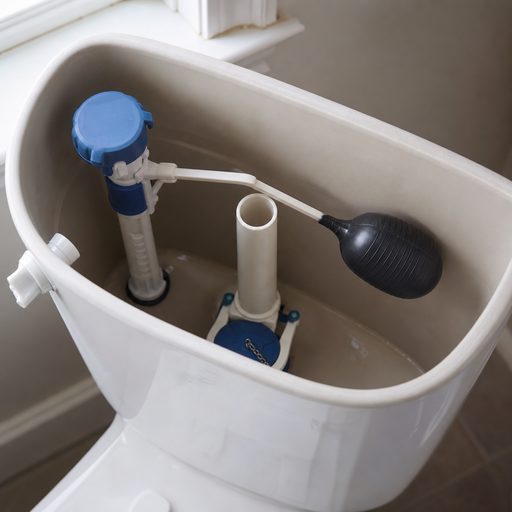
Understanding the key toilet components helps clarify which fixes are simple and which problems usually point to replacement. The fill valve (sometimes called a ballcock) refills the tank after a flush; failure here causes slow filling or constant running and is typically solved by replacing the unit. The flush valve and its attached flapper control the release of water into the bowl—common sources of leaking or poor flushing. Handle mechanisms (levers or buttons) and chains may break or corrode but are also easily swapped out.
The wax ring forms the all-important seal between toilet and drain flange. If leaks develop at the base, replacing the wax ring generally fixes the issue—as long as the floor and flange remain undamaged. More severe leaks, or problems involving the flange (the pipe fitting anchoring the toilet), may warrant a look at replacement, especially if the wooden subfloor beneath the toilet is compromised by water. Ceramic cracks, especially near mounting holes or the tank-to-bowl joint, are not repairable and always require a new fixture.
How Can a Plumber Help You Decide?
A licensed plumber brings experience to troubleshooting toilet problems, accurately assessing whether an issue is limited to a single part or if the fixture has underlying issues. During a diagnostic visit, the plumber will examine core components—flapper, fill valve, flush handle, wax ring—for wear and tear, check for cracks, test the bowl’s siphoning action, and inspect for evidence of leaks or floor damage around the toilet base.
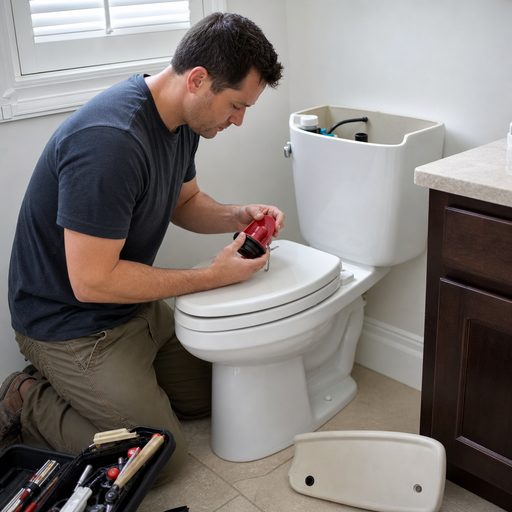
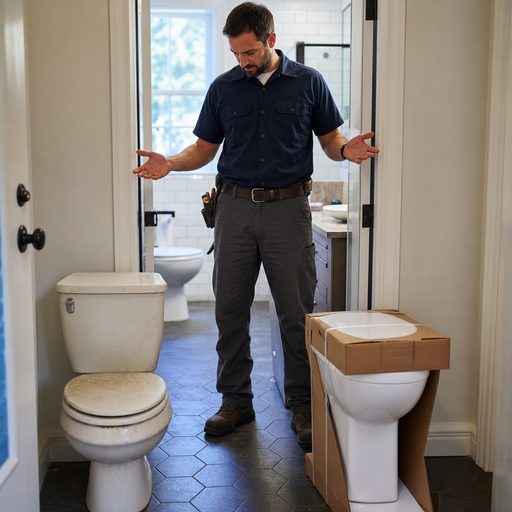
If repairs are minor and the fixture is otherwise sound, most plumbers can swap tank internals or wax rings during a Toilet Repair appointment, getting you back in business quickly. When warning signs like cracks, frequent clogs, or water damage are present, a plumber can help guide you through Toilet Replacement, advising on models that match your space, plumbing code, and usage needs. For more insight on pricing factors and part-specific issues, check the guides How Much Does Toilet Repair Cost? and Common Toilet Parts That Fail and What They Do.
Cracked Porcelain Is Not Repairable
If you find hairline or obvious cracks in the bowl or tank, replacement is your only safe option. Attempts to patch the porcelain almost never last and put you at risk for sudden leaks or flooding. A professional can confirm the extent of the damage and recommend appropriate replacement models.
What Drives the Cost of Toilet Repairs and Replacement?
Toilet repair costs are influenced by the type of part that’s failing, labor difficulty, fixture age, and local plumbing rates. Simple fixes—like changing out a flapper, fill valve, or flush lever—are typically less labor-intensive and use widely available replacement parts from brands like Fluidmaster and Korky. More involved repairs, such as wax ring replacement, may require removing and reseating the toilet, which adds both time and complexity.
Can You Prevent Future Toilet Trouble?
Regular inspection and maintenance greatly reduce your chances of facing a major toilet failure. Checking the fill valve, flush valve, and flapper for signs of wear every couple of years helps catch problems early. Listen for continuous running water, slow tank refills, or sudden changes in flush performance—these often indicate it’s time for a new part before damage develops. Avoid using bricks or foreign objects in the tank; they can damage internal components and interfere with designed flush performance.
- Inspect and replace flappers and fill valves every 3–5 years
- Check for leaks at the base after every deep clean
- Test flush performance monthly—an abrupt change signals a component or drain problem
- Avoid harsh chemical drain cleaners, which can damage seals and porcelain
Is It Worth Upgrading If Your Toilet Still Works?
Even if your current toilet isn’t broken, there are advantages to upgrading, especially if your model predates modern efficiency standards. Models from leading brands like Toto, Gerber, and American Standard now feature powerful flushing systems while using significantly less water per flush. Height and bowl shape options provide added comfort and accessibility, while glazed trapways help prevent clogs.
If you experience minor, but recurring issues—like weak flushes or surface stains that never quite come clean—an upgrade may eliminate those annoyances. Additionally, newer toilets are designed to make replacing tank internals even easier, reducing your chances of future repair headaches. When comparing your options, factor in potential water bill savings and improved reliability alongside the upfront installation cost described in the related cost guide.
Local Codes May Affect Your Choices
Plumbing codes set efficiency and installation standards that vary by region. Before installing a new toilet, confirm that your selected model complies with local requirements for water usage, bowl height, and flush performance. A qualified plumber ensures your replacement meets code and avoids costly rework.
How long do toilets usually last before needing replacement?
Toilets are durable and can last 25 years or more, but aging units become increasingly prone to leaks, clogs, or inefficiency. If your toilet is decades old or showing signs such as recurring repairs, cracks, or persistent performance issues, replacement should be considered even if the porcelain appears intact.
What are the most common toilet parts that fail?
The most frequently replaced toilet parts are the flapper (which seals the flush valve), the fill valve (regulates tank water level), the flush handle/lever, and the wax ring at the base. These components wear out over time and are designed for easy replacement during routine repairs.
Is it possible to fix a rocking or wobbly toilet?
A rocking toilet is often caused by loose bolts or an uneven floor, but can also indicate a damaged flange or subfloor. Tightening bolts may solve the problem, but if there’s damage or rot around the flange, a plumber can assess whether repair or replacement is more appropriate.
Will a new toilet really save water?
Yes, modern toilets use significantly less water per flush than older models, some of which used several gallons per cycle. Installing a WaterSense-certified toilet often leads to noticeable water savings over time and is a strong reason to upgrade if you have a high-volume unit.
Should you try to fix toilet cracks with epoxy or patch kits?
It’s not safe to repair cracks in toilet porcelain, even if patch kits are marketed for the job. Epoxy fixes are temporary and do not restore the original strength of the material. If you spot cracks in the bowl or tank, replace the toilet to avoid sudden leaks or more serious water damage.
Sources and further reading
These references support material safety, technical, consumer, or planning guidance in this article. Confirm property-specific requirements with the applicable authority and professional.