 Plumbing Advisors Editorial TeamEditorial StandardsUpdated June 9, 2026Source-Checked
A toilet is easy to take for granted right up until it stops working, but most toilets give quiet warnings long before they fail outright. An aging fixture tends to drop hints, a frequent repair here, a stain that will not clean there, that together signal it is wearing out. Learning to read those signs lets you plan a replacement on your own schedule rather than scrambling after a cracked bowl floods the bathroom. None of these signs on its own means you must replace the toilet today, but several together are a strong hint that the fixture is nearing the end of its useful life and worth keeping an eye on.
Signs of an Aging Toilet
Wear shows up in a toilet in a handful of recognizable ways, some about the porcelain itself and some about how the toilet performs. Taken together, they paint a picture of a fixture that is getting tired. The points below are the most common signals that a toilet is on its way out rather than simply in need of a quick part.
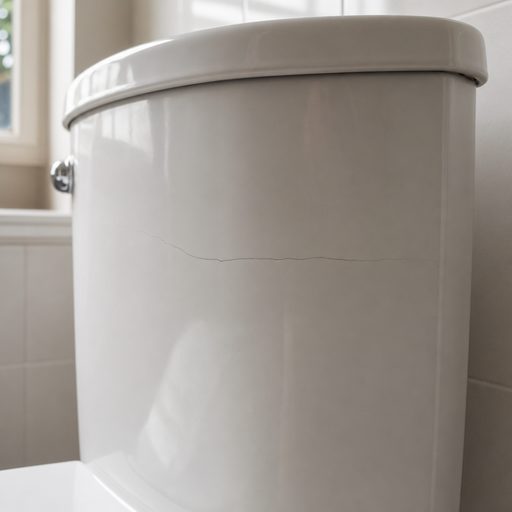
- Hairline cracks in the bowl or tank. Even faint cracks can grow and eventually fail suddenly, and porcelain cannot be repaired reliably, so a crack is the clearest sign of all.
- Frequent repairs. Needing a new part every few months, or fixing the same issue repeatedly, suggests the fixture is wearing out as a whole rather than failing in one spot.
- Constant clogging or a weak flush. An older design that backs up no matter what you do, even with good habits and a strong fill, often performs far better as a modern toilet.
- Wobbling or a loose base. A toilet that rocks may have a failing flange or a damaged floor underneath, and persistent movement breaks seals and points to a larger fix.
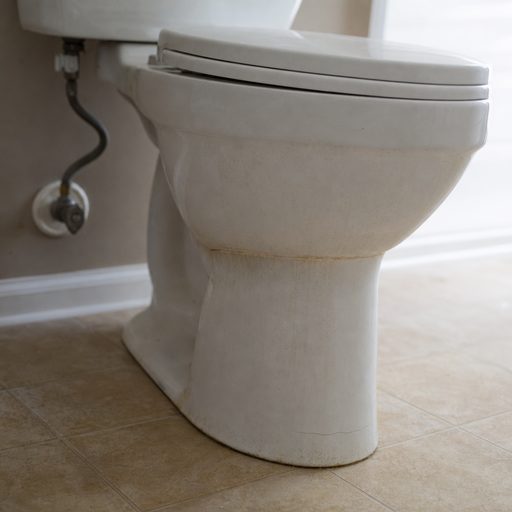
- Deep staining or a rough surface. Etched, pitted, or permanently stained porcelain that will not come clean is a sign of age and holds odors and bacteria.
- An older, water-hungry model. Toilets from decades past use far more water per flush than modern ones, so an old fixture quietly costs you more on every water bill.
A small crack can become a sudden flood
A hairline crack in a toilet tank or bowl rarely stays small. Under the constant pressure of refilling, a crack can give way without warning and release the tank's full volume of water across the floor. If you spot a crack in the porcelain, treat it as a reason to plan a replacement promptly rather than waiting for it to fail on its own schedule.
Aging Versus a Simple Repair
It helps to separate signs of true wear from problems that are just a worn part. A single running toilet, a slow refill, or a one-time leak at the base is usually a routine repair on a fixture that has plenty of life left. What sets a wearing-out toilet apart is the pattern: repairs that keep returning, performance that never quite recovers, or damage to the porcelain itself. When you find yourself fixing the same toilet again and again, or living with a fixture that clogs and stains no matter what, the issue is less about any one part and more about the toilet reaching the end of its run.
When to Call a Professional
A professional can tell you whether the signs you are seeing add up to normal wear or a fixture that is genuinely near the end. Toilet repair service can address the worn parts and seals that keep a sound toilet going, while toilet replacement is the better path once cracks, repeated repairs, or constant clogging show the fixture itself is spent. Catching the warning signs early lets you plan the change calmly rather than reacting to a flood. To weigh the decision, our guide on when to replace a toilet instead of repairing it lays out the signals that tip the balance, and once replacement looks likely, our guide on how much toilet replacement costs explains what to budget for the project.
Sources and further reading
These references support material safety, technical, consumer, or planning guidance in this article. Confirm property-specific requirements with the applicable authority and professional.