
Plumbing Service
Water Heater Repair
Losing hot water is disruptive, and a leaking tank can become urgent fast. Plumbing Advisors helps you understand what is happening and connect with water heater repair help.
Plumbing Advisors provides guidance and connection assistance. Independent providers perform the plumbing work and confirm availability, pricing, timing, and credentials.
On this pageOverview
 Plumbing Advisors Editorial TeamEditorial StandardsSource-Checked
Quick summary
- For no hot water, leaks, and temperature problems
- A leaking tank can be urgent and needs prompt attention
- Some issues are simple; others point to replacement
- Call to describe the symptom and get connected
About water heater repair
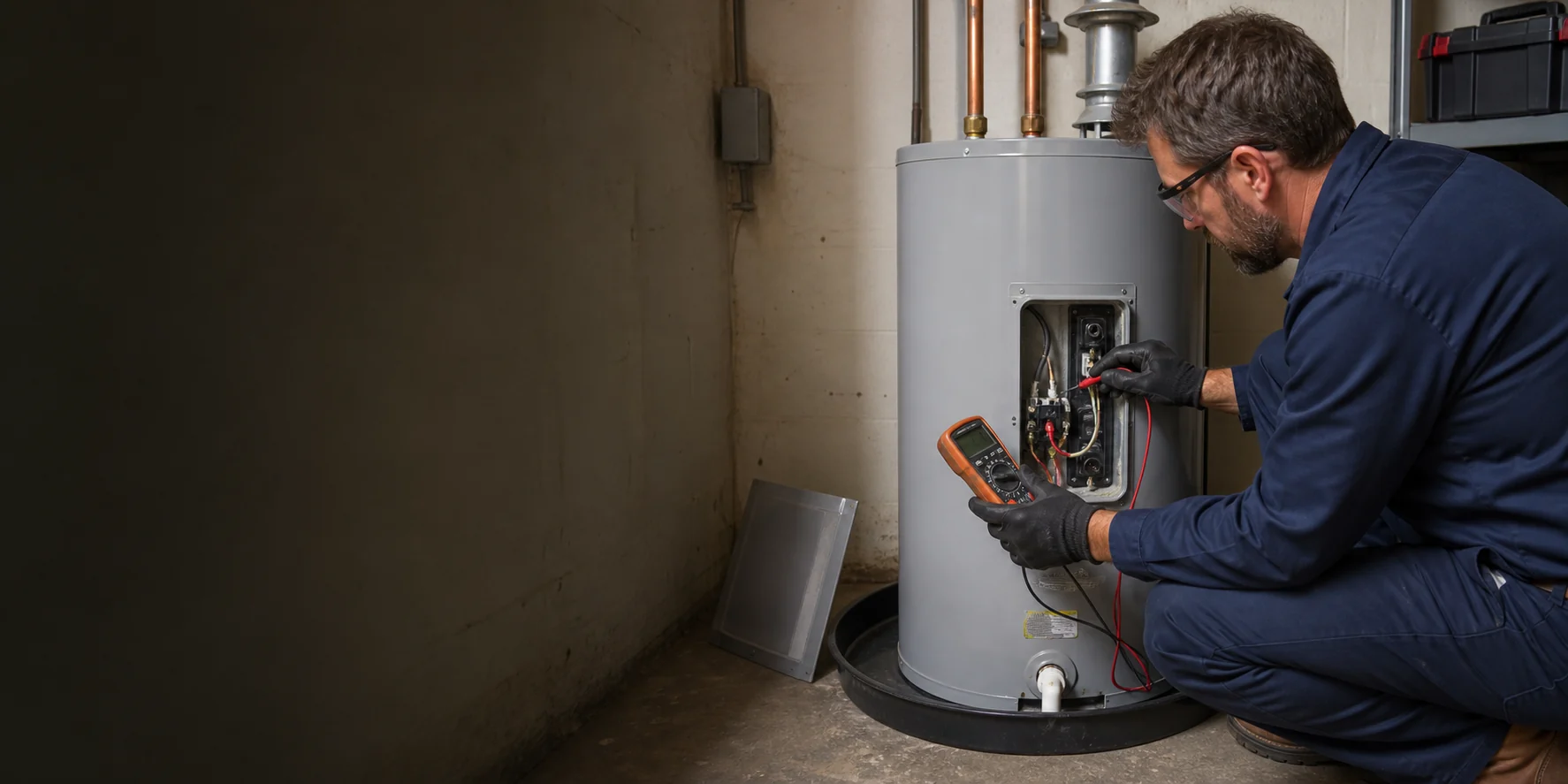
Water heater repair covers the problems that leave you with no hot water, not enough of it, or water that arrives rusty, smelly, or at the wrong temperature. The fix can be as small as a worn thermostat or igniter on an otherwise healthy unit, or it can be the first sign that a tank is wearing out. The goal of a good diagnosis is to tell those two situations apart before you spend money, so you are not repairing a unit that is already near the end of its life.
It helps to know your unit type going in. Electric and gas tanks fail in different ways, and tankless units have their own error codes and maintenance needs. A leaking tank is the one symptom to treat as urgent: if water is pooling or dripping from the body of the tank, shut off the water supply to the unit if it is safe and accessible, and have it looked at promptly before it causes damage. Most other symptoms can wait for a scheduled visit but should not be ignored for long.
Signs you may need water heater repair
No hot water at all
An electric unit may have tripped its breaker or lost a heating element, while a gas unit may have lost its pilot or have a supply problem. If the simple resets do not restore heat, the unit needs to be inspected.
Hot water runs out fast
If showers turn cold sooner than they used to, the cause is often sediment in the tank or a failing element or thermostat. It can also mean the unit is undersized for how your household has grown.
Water is rusty or has an odor
Discolored or smelly hot water can point to a corroding tank or a spent anode rod. It is worth inspecting early, since it can be a sign the tank is beginning to wear out.
Popping or rumbling sounds
Knocking or rumbling usually comes from a layer of sediment hardening on the bottom of the tank. It makes the unit work harder and can shorten its life if left alone.
Water pooling around the unit
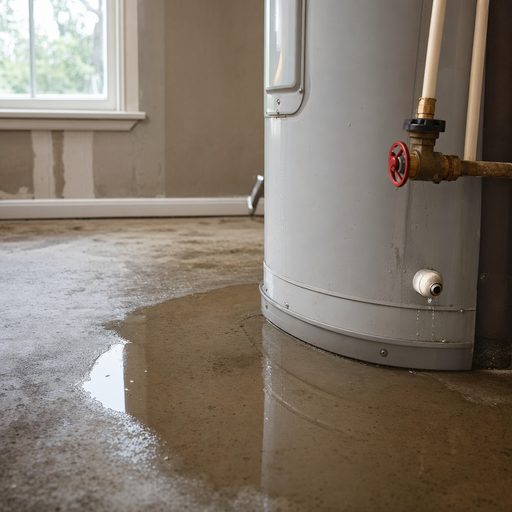
Moisture or a puddle at the base of the tank often means the tank itself is failing. Treat this as urgent, shut off the water to the unit if it is safe and accessible, and call for help before it worsens.
You smell gas near a gas unit
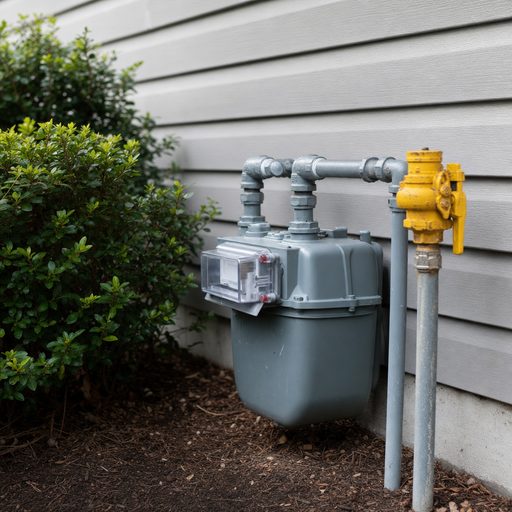
A gas odor is a safety issue, not a repair to troubleshoot. Do not try to relight the pilot or touch the gas line. Leave the area, then call your gas utility's emergency line from a safe location.
What to know
When you need it
- You have no hot water or it runs out quickly
- The water heater is leaking
- The pilot or ignition will not stay lit
- Hot water is rusty, smelly, or inconsistent
Common causes
- A failed heating element or thermostat
- Pilot, igniter, or thermocouple problems
- Sediment buildup in the tank
- A failing or leaking tank nearing end of life
- Tripped breakers or gas supply issues
What to check first
- Check whether the breaker or pilot has gone out
- Confirm the thermostat is set correctly
- For a leaking tank, shut off water to the unit if it is safe and accessible
- Do not attempt electrical or gas component repairs yourself
When to call a pro
- The tank is leaking
- There is no hot water after basic checks
- The pilot will not stay lit or you smell gas
- Water is discolored or has a strong odor
Repair vs. replace
The honest question with any aging water heater is whether to fix the part that failed or put that money toward a new unit. A few factors usually make the answer clear.
Repair makes sense
If the unit is well within its expected life, the tank itself is sound, and the failure is a single component such as an element, thermostat, igniter, or valve, a repair is usually the better value. A newer unit with one bad part is worth fixing rather than replacing.
Replacement makes sense
If the tank is leaking from its body, the unit is near or past its typical lifespan, or it has needed repeated repairs, replacement is often the smarter spend. Tanks commonly last roughly 8 to 12 years, and pouring repair money into a unit at the end of that range rarely pays off.
When it is close, get both numbers
For borderline cases, ask the professional for the repair cost and a replacement quote side by side. Comparing the two against the unit's age and condition takes the guesswork out of the decision.
What a typical water heater repair visit includes
- Diagnosis of the no-hot-water, leak, or temperature symptom
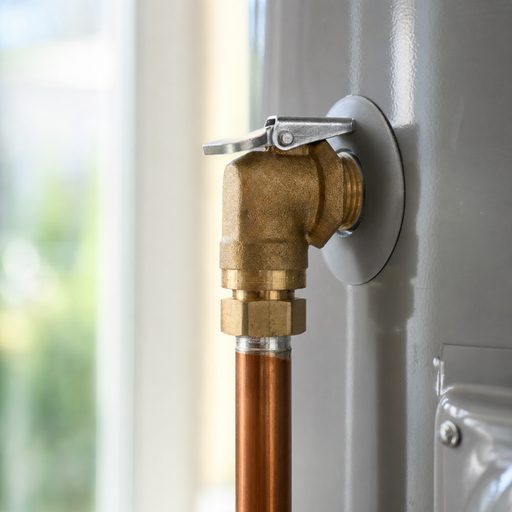
- Inspection of the tank, connections, and relief valve
- Testing of the relevant components for the unit type
- Repair or replacement of the failed part
- A clear repair-versus-replace recommendation when the unit is aging
- Testing for safe, consistent hot water before regular use
- Cleanup of the work area
What water heater repair costs
A water heater repair quote should be based on the inspected scope, access, parts or equipment, permits, restoration, and urgency. Compare written quotes that describe the same work.
Typical water heater repair costs
| Project | Typical cost range |
|---|---|
| Thermostat replacement | $150–$370 |
| Heating element replacement | $195–$480 |
| T&P (pressure relief) valve replacement | $165–$450 |
| Gas control valve replacement | $320–$870 |
| Tank flush (sediment) | $115–$320 |
Service-call fees
| Service | Typical cost range |
|---|---|
| Diagnostic / service call | $80–$215 per visit |
| Typical repair visit | $185–$770 per visit |
Cost ranges are estimates developed from standardized project scopes and reviewed pricing inputs. Government labor and regional cost data are used where applicable. See our Pricing Methodology for the exact sources, calculations, and review date. Actual prices vary by property, scope, materials or equipment, location, and provider.
What affects the cost
- Which component failed and how easy it is to reach
- Whether the unit is a tank or a tankless model
- The age and overall condition of the unit
- Whether sediment, corrosion, or a failing tank is involved
- Parts availability for the specific make and model
- After-hours or emergency timing for an urgent leak
- Local labor rates in your area
Typical service process
- 1Note the exact symptom and the unit type
- 2For a leak, shut off water to the unit if it is safe and accessible
- 3Connect with a plumbing professional that services your area
- 4Have the unit inspected and tested
- 5Repair components or discuss replacement if the unit is failing
- 6Confirm safe, consistent hot water before regular use
How to choose the right pro
- Choose a licensed, insured plumbing professional where your state or city requires it
- Confirm they service both your unit type and your fuel source
- Ask for an itemized estimate before work begins
- Expect a straight answer on whether repair or replacement is the better value
- Ask what warranty covers both the parts and the labor
- Read recent reviews from homeowners in your area
How Plumbing Advisors helps
Plumbing Advisors helps you tell whether a water heater needs a repair or a replacement, then connects you with plumbing professionals that service your area. If your tank is leaking, treat it as urgent and call right away. Availability and pricing vary by location and provider.
Frequently asked questions
How long should a water heater last?
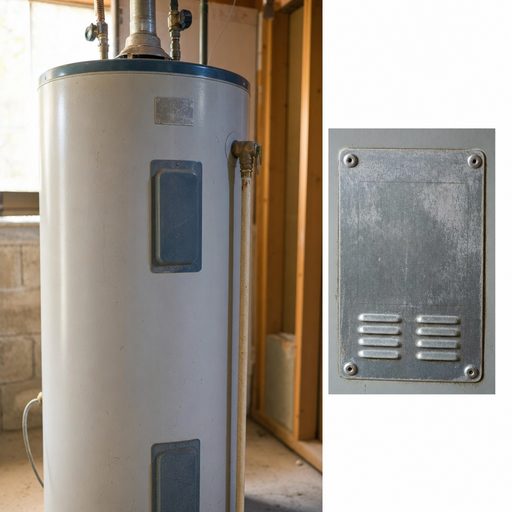
Many tank water heaters last roughly 8 to 12 years, though this varies with water quality, maintenance, and usage. Hard water and sediment can shorten that lifespan, so regular flushing helps.
Why is my water heater leaking?
Leaks can come from connections, the temperature-pressure relief valve, or the tank itself. A leaking tank usually means the unit is failing and should be checked promptly, since it can become urgent.
Is no hot water always the water heater?
Not always. It can be a tripped breaker, a pilot that went out, a thermostat issue, or a failed component. Start with the simple checks, and if hot water does not return, have it inspected.
Is a leaking water heater an emergency?
It can be. A significant or worsening leak can cause water damage, so shut off water to the unit if it is safe and accessible and call for help.
Sources and further reading
These references support the safety and technical guidance on this page.
Water Heater Repair guides
Learn before your water heater repair.
Free guides on cost, common problems, repairs, and what to expect — written to help you make the call with confidence.
Why Is My Water Heater Tripping the Breaker?
Is It Worth Replacing a 10-Year-Old Water Heater?
Tankless Water Heater Maintenance and Descaling
What to Do If You Smell Gas
Is a Leaking Water Heater an Emergency?
What Does a Water Heater Pressure Relief Valve Do?
How Long Do Water Heaters Last?
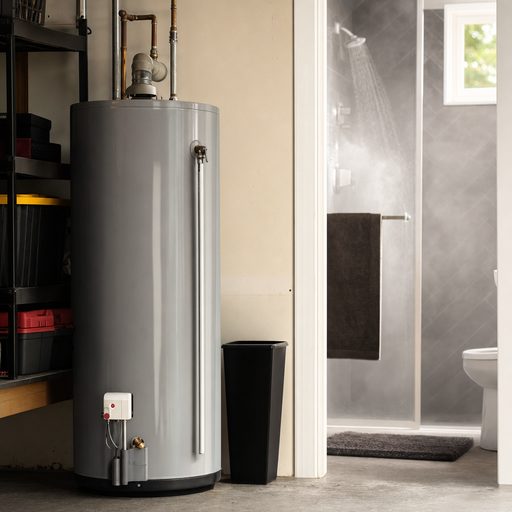
Why Your Hot Water Runs Out Quickly
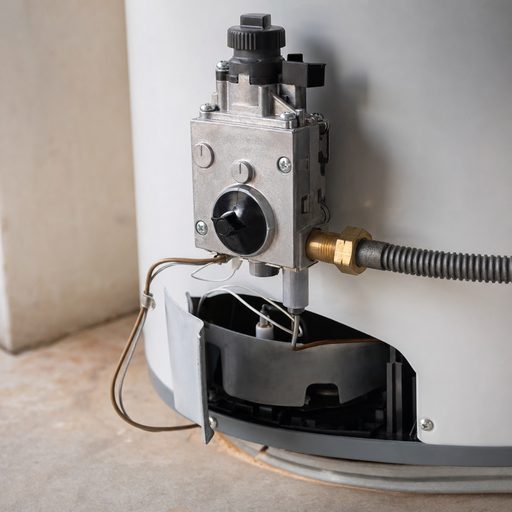
Why Does My Water Heater Pilot Light Keep Going Out?
Start with the symptom
Common problems related to this service
 There is no hot waterSchedule plumbing service soonHot water runs out faster than it used toMonitor it and plan service if it continuesThe water heater is leakingStop the water if you can and arrange urgent serviceThe water heater is making an unusual noiseSchedule plumbing service soonHot-water temperature is inconsistent or unsafeSchedule plumbing service soon
Choose your area
Water Heater Repair near you
Find water heater repair in your state or city. Availability varies by location and provider.
Water Heater Repair by state
AlabamaAL6 cities
ArizonaAZ8 cities
ArkansasAR5 cities
CaliforniaCA9 cities
ColoradoCO8 cities
ConnecticutCT6 cities
DelawareDE5 cities
FloridaFL8 cities
GeorgiaGA8 cities
IllinoisIL9 cities
IndianaIN8 cities
IowaIA6 cities
KentuckyKY6 cities
LouisianaLA6 cities
MarylandMD7 cities
MassachusettsMA8 cities
MichiganMI9 cities
MinnesotaMN7 cities
MississippiMS5 cities
MissouriMO8 cities
NebraskaNE5 cities
NevadaNV6 cities
New HampshireNH5 cities
New JerseyNJ8 cities
New MexicoNM5 cities
New YorkNY10 cities
North CarolinaNC8 cities
North DakotaND5 cities
OhioOH9 cities
PennsylvaniaPA9 cities
Rhode IslandRI5 cities
South CarolinaSC6 cities
South DakotaSD5 cities
TennesseeTN7 cities
TexasTX10 cities
VirginiaVA8 cities
WashingtonWA8 cities
West VirginiaWV5 cities
WisconsinWI7 cities
Need Plumbing Help Now?
Call Plumbing Advisors to connect with help for leaks, drains, water heaters, sewer lines, burst pipes, toilets, faucets, and more.
No-obligation request · Availability varies by location and provider