 Plumbing Advisors Editorial TeamEditorial StandardsSource review July 31, 2026Source-Checked
Locate the symptom before choosing the repair
Tank, base, bowl, or drain?
Trace the Miami toilet symptom first, then verify the property's building authority before relying on Miami-Dade's narrow, unincorporated-county fixture exemption.
A running tank, a leak at a supply connection, water at the base, and a bowl that will not drain can look like one toilet problem but involve different parts. Record what happens before removing the fixture or guessing at the cause.
What the toilet is doing
Note where water appears, whether it happens during or after a flush, and whether another fixture is affected. Those observations help separate a fixture repair from a drain problem.
| What you notice | What it may indicate | What to do next |
|---|---|---|
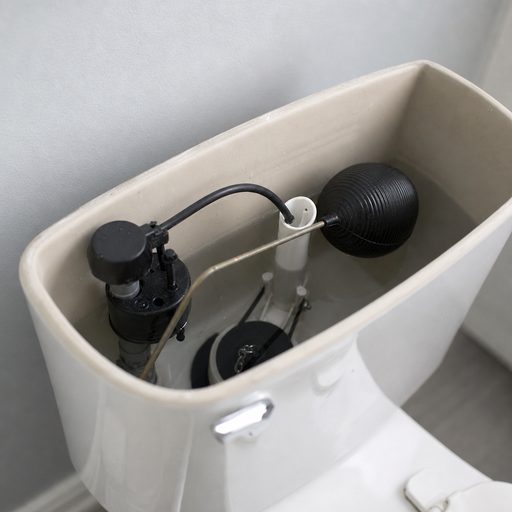
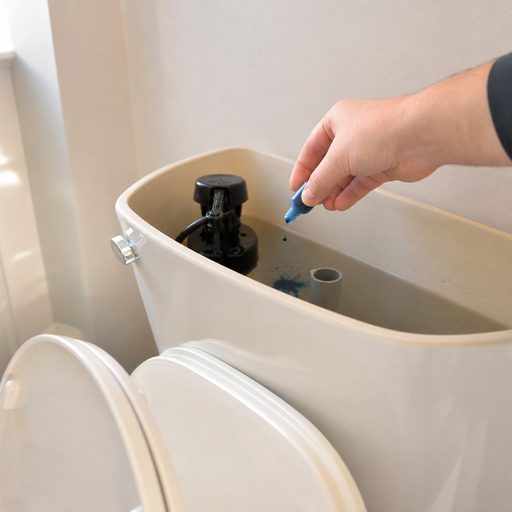
| The tank runs or refills when no one has flushed | Water may be passing through a tank seal or refill component | Use a dye test to confirm tank-to-bowl leakage, then identify the matching part before repair. |
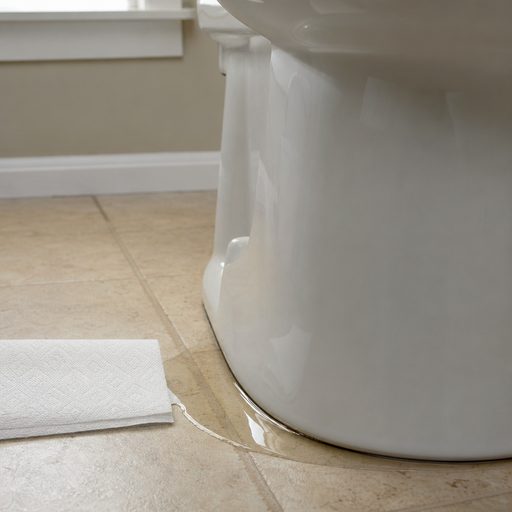
| Water appears at the base after a flush | The fixture seal, mounting, flange, or nearby connection needs to be traced | Stop using the toilet and show the Miami plumber exactly when and where moisture appears. |
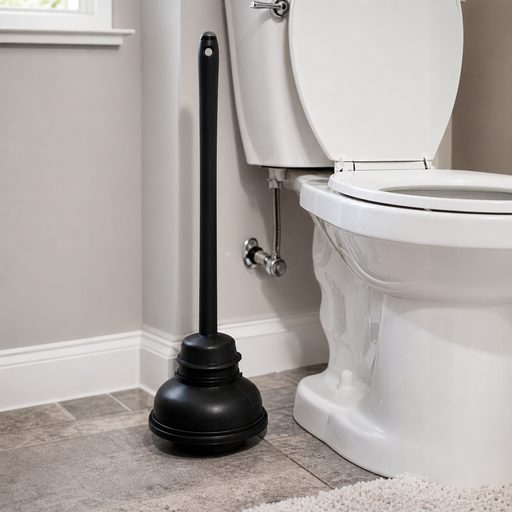
| The bowl rises or clears slowly | The restriction may be in the toilet trap, branch, or a shared drain | Do not flush again while the bowl is high; note whether another fixture is also affected. |
| The toilet rocks or shifts | Mounting, the flange, the seal, or the supporting floor may need attention | Avoid movement and have the fixture and floor connection inspected together. |
| Water is dripping from the tank or supply area | A tank joint, supply line, shutoff, or porcelain surface may be involved | Close the accessible fixture shutoff if water is escaping and stop using the toilet. |
Confirm the symptom, scope, and property jurisdiction
Miami-Dade publishes a fixture repair and replacement exemption for qualifying work in unincorporated areas when performed by a licensed plumbing contractor. City of Miami properties have a separate building official, and work beyond the listed fixture scope may be treated differently.
The repair is limited to a tank component
Identify the compatible part and test the final fill and shutoff before discussing full replacement.
The toilet must be removed or a pipe or valve must change
Verify the permit path with the building authority for the property's actual jurisdiction.
A contractor cites the County exemption
Confirm the property is in unincorporated Miami-Dade and that the licensed-contractor and fixture-only conditions apply.
Water has reached the floor around the base
Include the flange, mounting surface, and floor in the inspection instead of assuming a seal-only repair.
The County exemption does not apply automatically to every Miami address or every repair that begins at a toilet.
Sources: WaterSense - Home Maintenance, Permit Exemptions, How to Apply for Permits
Describe the toilet problem in Miami
Share whether the toilet runs, leaks, rocks, clogs, or flushes poorly and when the symptom appears.
No-obligation request · Availability varies by location and provider
What professional toilet repair service does
A running, clogged, or leaking toilet wastes water and disrupts a key fixture in your home. Plumbing Advisors helps you understand the issue and connect with toilet repair help.
A toilet-repair visit should begin with the reported symptom and a check of the tank parts, supply connection, shutoff, tank-to-bowl joint, base, fixture stability, flush, and nearby drain behavior as relevant. The estimate should name the failed part or observed condition rather than grouping every symptom under a generic toilet repair.
After repair, the toilet should fill, hold water, flush, and stop without visible leakage. If the fixture must be removed, the scope should explain the seal, flange, mounting, floor condition, reset, and testing, plus any work that is excluded.
What commonly changes the repair
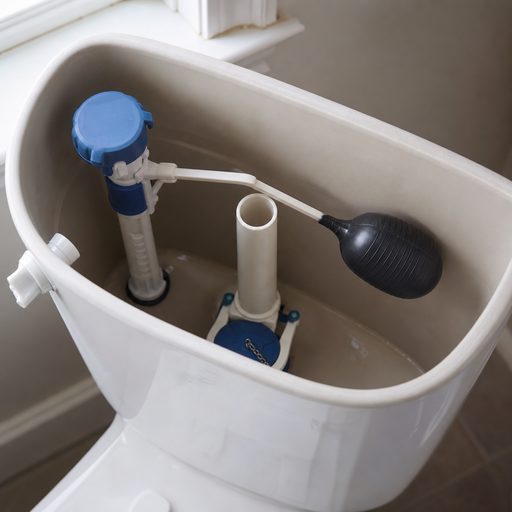
A tank part no longer seals or controls refill
A worn flapper can allow water to pass silently into the bowl, while a fill or flush component can leave the tank running or refilling unexpectedly. A dye test can confirm tank-to-bowl leakage without identifying every possible part failure.
Sources: WaterSense - Home Maintenance
Water appears at a connection or the base
The timing and location of moisture matter. A supply or tank connection should not be treated as proof that the floor seal failed, and water at the base should be traced before the toilet is reset.
The bowl drains slowly or clogs again
A problem contained to the toilet may involve its trap or the nearby branch. If other fixtures react, the affected drain can extend beyond the toilet and should be evaluated as a shared-line symptom.
The fixture moves or the floor feels unstable
Movement can disturb the base seal, but the toilet, mounting, flange, and supporting floor need to be checked separately before choosing a repair.
What you can safely observe first
- Note whether the symptom occurs while idle, during a flush, while the tank refills, or after someone sits on the fixture.
- For a silent tank leak, add a few drops of food coloring to the tank, wait 10 minutes without flushing, and flush immediately after the check so the tank does not stain.
- If clean water is actively escaping, close the toilet's accessible supply valve and stop using the fixture.
- If the bowl level is rising, do not flush again or add more water.
- Do not remove a toilet that rocks or leaks at the base until the flange and floor scope can be addressed.
A dye test confirms a leak, not the whole repair
Color entering the bowl without a flush confirms that tank water is passing into the bowl. It does not show whether another connection, the base seal, or the drain also needs work.
Sources: WaterSense - Home Maintenance
When to stop using the toilet
Stop using the toilet when continued flushing can release water or wastewater, or when a leak is spreading into the floor.
- The bowl is rising, overflowing, or causing another fixture to back up.
- Water at the base or a connection is spreading with each flush or refill.
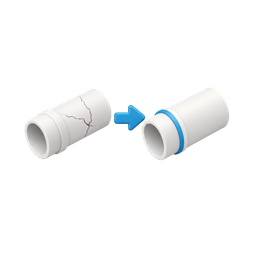
- The porcelain is cracked and actively leaking.
- The toilet moves and the floor feels soft or unstable.
Sources: WaterSense - Home Maintenance
How the repair path should be chosen
Match the work to the observed part and symptom. A tank repair, a toilet reset, a clog service, and full replacement should not be presented as interchangeable fixes.
| Method | Where it may fit | Important limitation |
|---|---|---|
| Tank-part repair | Running, phantom refilling, or an identified flapper, fill, or flush-control problem | It does not address a base leak, cracked porcelain, or a drain restriction. |
| Connection or base repair | A traced leak at the supply, tank joint, shutoff, or floor seal | Removing the toilet may expose flange or floor work that needs a separate scope. |
| Toilet clog service | A bowl that will not clear when the symptom remains at that fixture | Other affected fixtures can point to a drain problem beyond the toilet. |
| Replacement comparison | Cracked porcelain, a poor fixture fit, or repeated repairs with no durable result | The new fixture still has to fit the rough-in, supply, flange, room, and user needs. |
Sources: WaterSense - Home Maintenance
What genuinely changes toilet repair in Miami
Miami-Dade's listed exemption is narrow
For unincorporated Miami-Dade, the County lists repair or replacement of water-closet fixtures among exemptions when the stated licensed-contractor and scope conditions are met. The exemption does not authorize work that violates the code.
Sources: Permit Exemptions
A Miami mailing address does not settle jurisdiction
Miami-Dade says each municipality has its own building official and that its online County process is for unincorporated properties. Confirm the authority for the service address before relying on a County exemption or application.
Sources: How to Apply for Permits
Fixture-only work can become a larger repair
A tank part or fixture repair is different from rearranging valves, pipes, drains, or other systems. If the inspection expands the scope, pause and confirm the approval path before authorizing the added work.
Sources: Permit Exemptions
Comparing a toilet repair estimate
A Miami toilet-repair estimate should name the observed problem and separate tank parts, connection work, a toilet reset, drain clearing, flange work, and floor repairs.
Scope factors
- The failed part or observed condition rather than the symptom alone
- Tank repair, connection repair, fixture removal, reset, or drain work
- Shutoff, supply, flange, mounting surface, and floor condition
- Fixture model, compatible parts, access, and prior repair attempts
- Final fill, flush, stability, and leak testing
Questions for the estimate
- What observed condition does the proposed repair address?
- Does the scope include removal, reset, flange, drain, or floor work?
- Which parts and testing are included, and what is excluded?
- What finding would change the recommendation from repair to replacement?
What to tell Plumbing Advisors
A short symptom record helps the plumber bring the right parts and separate a fixture problem from drain or floor work.
- The exact toilet symptom at the Miami property and when it appears
- Whether the tank runs, the bowl rises, the fixture moves, or water appears at a connection or the base
- Dye-test result, if one was completed safely
- Whether another drain changes when the toilet is flushed
- Photos of the fixture, supply, shutoff, base, and nearby floor
- Recent repairs and any parts already replaced
Plumbing Advisors does not dispatch its own local technicians. The independent professional is responsible for confirming availability, credentials, diagnosis, price, warranty terms, and work performance.
Toilet Repair in Miami: frequently asked questions
Is every Miami toilet repair exempt from a permit?
No. Miami-Dade publishes a narrow exemption for qualifying fixture work in unincorporated areas under stated licensed-contractor conditions. City of Miami and other municipalities have their own building officials, and work beyond the fixture may require a different process.
How do I know which Miami building authority applies?
Confirm whether the property is inside the City of Miami, another municipality, or unincorporated Miami-Dade. The County directs property owners to verify the municipality because each building official issues permits within that jurisdiction.
What should I ask if a Miami toilet repair expands after removal?
Ask the plumber to document the flange, pipe, valve, drain, or floor condition, explain the revised work, and verify the permit or exemption status with the correct authority before proceeding.
Sources and editorial methodology
Sources are included when they substantively support a local, safety, technical, or consumer decision on this page.
- EPA WaterSense supports national leak testing and maintenance guidance.
- Miami-Dade sources are used only for their stated unincorporated-county scope and jurisdiction rules.
- No County exemption is presented as a City of Miami exemption or as proof of the needed repair.
U.S. Environmental Protection Agency
WaterSense - Residential ToiletsU.S. Environmental Protection Agency
WaterSense - Home MaintenanceMiami-Dade County
Permit ExemptionsMiami-Dade County
How to Apply for Permits