
Plumbing
Plumbing in New York City, NY
Plumbing in New York City, NY starts with a clear description of whether the symptom is isolated, shared by several fixtures, or affecting the whole property. A professional can then test the affected system and explain whether the scope is cleaning, inspection, repair, replacement, or another service.
Plumbing Advisors provides guidance and connection assistance. Independent providers perform the plumbing work and confirm availability, pricing, timing, and credentials.
On this pageOverview
 Plumbing Advisors Editorial TeamEditorial StandardsSource-Checked
Plumbing in New York City, NY starts with a clear description of whether the symptom is isolated, shared by several fixtures, or affecting the whole property. A professional can then test the affected system and explain whether the scope is cleaning, inspection, repair, replacement, or another service.
The quick answer
- Typical cost
- Common small repair (faucet, toilet, valve) typically costs $180 to $810. The final cost depends on the confirmed scope, access, parts or equipment, labor, timing, and related work.
- Repair or replace
- Some plumbing tasks are safe to try at home, while others are best left to a professional.
- Get help fast
- Describe the problem and we'll connect you with independent plumbing pros serving New York City, NY — no obligation.
Plumbing in New York City
Plumbing covers the water, drain, and venting systems that run through your whole home, plus the fixtures and appliances connected to them. That includes supply lines, drain and sewer lines, water heaters, toilets, faucets, sinks, garbage disposals, and sump pumps. Because these systems are linked, a symptom in one place can point to a cause somewhere else. This page is a good starting point when you have a plumbing problem but are not yet sure which specific service it falls under.
Most plumbing issues fall into a few buckets: leaks, slow or clogged drains, water heater trouble, weak water pressure, and worn or failing fixtures. Some are small and can wait for a scheduled visit, while others spread water and need attention right away. The goal here is to help you describe what is happening, take a few safe first steps, and connect with a plumbing professional that services your area when the situation calls for one.
Signs you may need plumbing help in New York City
Drips, stains, or pooling water
Water where it should not be, including under sinks, around fixtures, or on ceilings and walls, usually means a leak. Even a slow drip can damage cabinets, flooring, and drywall over time, so it is worth tracing the source early.
Slow or backing-up drains
A single slow drain is often a local clog, but several slow drains or water backing up when you run a fixture can signal a deeper line problem. Gurgling sounds and odors point the same direction.
Weak or uneven water pressure
Low pressure at one fixture is often a clogged aerator or partly closed valve. When it affects the whole home, the cause is usually broader and worth having checked.
No hot water or water that runs out fast
Lukewarm water, water that runs cold quickly, or no hot water at all usually points to the water heater. Popping or rumbling from the tank is another common warning sign.
Several small problems at once
A running toilet here, a dripping faucet there, and a slow drain can each seem minor. Together they often reflect the age of the plumbing and are worth reviewing so you know what to address first.
Higher water bills without a clear reason
A jump in usage you cannot explain often means a hidden leak, such as a running toilet or a pipe behind a wall. Checking your water meter with everything off can help confirm it.
Causes and scope drivers to inspect
- Aging pipes, fittings, and fixtures
- Mineral buildup from hard water
- Wear on washers, valves, and seals
- Tree roots, ground shifting, or freeze-thaw cycles
- Improper past repairs or DIY work
Handling it yourself vs. calling a pro
Some plumbing tasks are safe to try at home, while others are best left to a professional. The line usually comes down to safety, whether you can stop the water, and how much of the system is involved.
Reasonable to handle yourself
Safe basics include plunging a single clogged toilet or drain, cleaning a faucet aerator, tightening a visible connection, clearing hair from a stopper, and shutting off water at a fixture or the main. These are low-risk and easy to undo. If a simple fix does not hold or the problem returns, treat that as a sign to call.
Call a plumbing professional
Bring in a pro for leaks you cannot stop, water damage or corrosion, whole-home pressure problems, sewer or drain backups, water heater trouble, and anything inside a wall, floor, or slab. Never work on a gas line or relight a pilot, and never dig up a sewer line or foundation yourself. When in doubt, describe the symptom and let a professional assess it.
How much does plumbing cost in New York City?
For plumbing in New York City, NY, compare itemized quotes for the same inspected scope. Access, testing, parts or equipment, permits, restoration, and urgency can change the final price.
Typical plumbing rates in New York City, NY
| Service | Typical cost range |
|---|---|
| Service call | $110–$280 per visit |
| Minimum visit charge | $175–$440 per visit |
Hourly labor rates
| Labor | Typical cost range |
|---|---|
| Residential plumbing labor | $150–$310 per hour |
Emergency pricing factors
| Factor | Typical range |
|---|---|
| After-hours or emergency factor | 1.5x–2.75x |
Typical plumbing costs in New York City, NY
| Project | Typical cost range |
|---|---|
| Common small repair (faucet, toilet, valve) | $180–$810 |
Service-call fees
| Service | Typical cost range |
|---|---|
| Service call / call-out fee | $175–$440 per visit |
| Trip fee | $175–$440 per visit |
Hourly labor rates
| Labor | Typical cost range |
|---|---|
| Hourly labor rate | $110–$400 per hour |
Cost ranges are estimates developed from standardized project scopes and reviewed pricing inputs. Government labor and regional cost data are used where applicable. See our Pricing Methodology for the exact sources, calculations, and review date. Actual prices vary by property, scope, materials or equipment, location, and provider.
What affects the cost
- Whether the plumber bills hourly or uses a flat per-job rate
- The type of problem and how much of the system is involved
- How accessible the work is, such as under a sink versus inside a wall
- Quality of the parts, fixtures, or appliances being installed
- Whether the visit is routine or after-hours and urgent
- Local labor rates and any permits the work requires
- Overall scope, from a single fix to several issues at once
Planning plumbing in New York City
A useful local scenario
When requesting plumbing in New York City, NY, record a concrete observation such as "You have a plumbing problem but are not sure how to categorize it" and what happened immediately before it. That timeline is more useful than assuming a material, component, or New York condition caused the problem.
Property and access planning
In New York City, collect any equipment details, prior findings, and access information related to access to the affected fixture, shutoffs, mechanical area, drain, or buried line. That preparation helps the professional price the inspected scope instead of a guessed repair. For the New York City, NY estimate, ask the professional to identify the inspected component or system, the planned access point, and the exclusions that apply to the New York City property.
Credential checks in New York
Unlike many states, New York does not issue one statewide plumbing license. Plumbers are licensed locally by individual cities and counties, so requirements vary by municipality and you should confirm what your specific city or county requires before hiring.
Within New York City, a Licensed Master Plumber (LMP) is licensed by the NYC Department of Buildings (DOB), which sets the experience, examination, and insurance requirements. Other localities — such as Nassau County, Suffolk County, and Buffalo — license separately, and a license from one New York jurisdiction is not automatically valid in another.
Permits and inspections in New York
Permit and inspection requirements are set locally and vary by city and county, and New York City is among the strictest. In NYC, plumbing permits are issued only to a Licensed Master Plumber, who must pull the permit and arrange the inspections the Department of Buildings requires before final sign-off. Always check your local building department first.
Get matched with a plumbing pro in New York City
Tell us what's going on and we'll connect you with independent plumbing help serving New York City, NY.
No-obligation request · Availability varies by location and provider
What a plumbing visit includes
- A conversation about the symptom and where it is happening
- Inspection of the affected fixture, appliance, or line
- Diagnosis of the underlying cause, not just the symptom
- A recommended repair or replacement with pricing
- The agreed-upon repair or installation work
- Testing for leaks and proper operation afterward
- Cleanup of the immediate work area
What to expect at the appointment
- 1Describe the symptom and where it is happening
- 2Shut off water at the fixture or main if it is safe and accessible
- 3Connect with a plumbing professional that services your area
- 4Have the system, fixture, or appliance inspected
- 5Review recommended repairs or replacements and pricing
- 6Confirm the issue is resolved before normal use resumes
What to do first
- Locate your main water shutoff so you can stop water quickly if needed
- Note which fixtures or areas are affected
- Look for visible drips, stains, or pooling water
- Avoid using a fixture that is leaking or backing up
How to choose a plumbing pro in New York City
- Confirm the professional is licensed and insured where your state requires it
- Ask for a written, itemized estimate before work begins
- Make sure the diagnosis and recommended scope are explained in plain terms
- Ask what warranty covers the work and the parts
- Read recent reviews and look for consistent, specific feedback
- Choose someone who communicates clearly and answers your questions
How Plumbing Advisors helps
Plumbing Advisors is a nationwide plumbing help and connection service. We help you understand your plumbing problem, point you to the right type of service, and connect you with plumbing professionals that service your area. Availability and pricing vary by location and provider, so calling is the fastest way to get help.
Plumbing in New York City: FAQs
What can change a plumbing quote in New York City, NY?
For New York City, NY, one important scope driver is how accessible the issue is, such as under a sink versus inside a wall. Access, testing, parts or equipment, permits, restoration, and urgency may also matter. Compare itemized quotes for the same inspected scope rather than relying on an unsupported New York price.
What should I note before requesting plumbing in New York City, NY?
Whether the symptom is isolated, shared by several fixtures, or affecting the whole property. For the New York City, NY request, add when the condition began, what changes it, and any safe shutoff or access information. These details help frame the first inspection but do not confirm the cause at a New York property.
Why do pipes freeze and burst in New York City apartments?
Many NYC buildings have plumbing running through exterior walls, unheated basements, or exposed risers that were never well insulated. During multi-day deep freezes, water in those lines can freeze and split the pipe. If a pipe bursts, shut off the water if you can reach the valve, notify building management, and call for help.
What should I do about a backup that affects several apartments?
Stop running water to avoid making it worse, keep people away from any sewage, and alert building management right away. When multiple units back up at once, the problem is usually in a shared stack or the building's main line, which needs a professional to inspect.
Is New York City tap water hard?
No, NYC water from the upstate reservoir system is relatively soft, so heavy scale buildup is less of an issue here than elsewhere. Discolored water or low flow is more often caused by old galvanized pipe or building service lines, which a plumbing professional can assess.
Is it better to be charged hourly or a flat rate?
It depends on the job. Flat-rate pricing gives you a known total up front and can be a good fit for predictable tasks, while hourly billing can cost less on a quick fix but is harder to estimate. Ask which method a provider uses and get the total in writing before work starts.
Why do plumbers charge a service call or trip fee?
The fee covers the plumber's time and cost to travel to your home and assess the problem, separate from the repair itself. Some providers credit it toward the work if you hire them. It is worth asking up front whether the fee applies and whether it is rolled into the job.
Why do prices vary so much between plumbers?
Two jobs that sound alike can be very different once a plumber sees them. Accessibility, the specific parts involved, local labor rates, and whether there is hidden damage all change the work required. Comparing a few itemized quotes is the best way to understand a fair price in your area.
Sources and local references
These primary and public-agency references support the safety, credential, permit, efficiency, equipment, or local-system guidance used on this page. They do not diagnose a specific property.
Plumbing in nearby cities
Other plumbing services in New York City


Plumbing guides
Learn before your plumbing in New York City.
Free guides on cost, common problems, repairs, and what to expect — written to help you make the call with confidence.
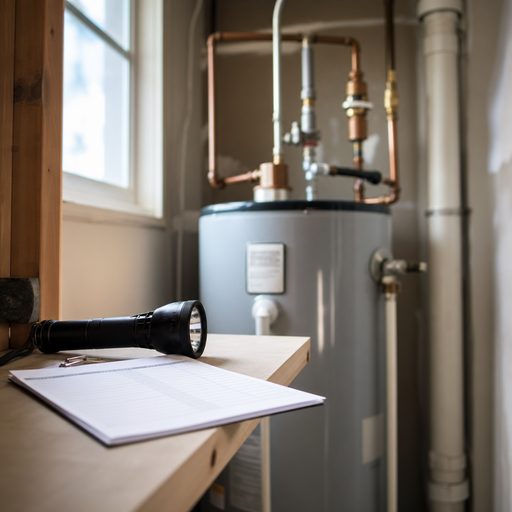
How Often Should Your Home's Plumbing Be Inspected?

How to Find a Reliable Plumber
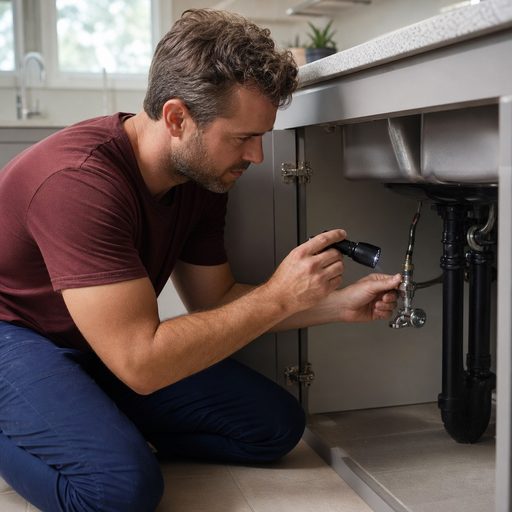
Safe Checks to Do Before Calling a Plumber
How Texas Licenses Plumbers (and How to Verify One)
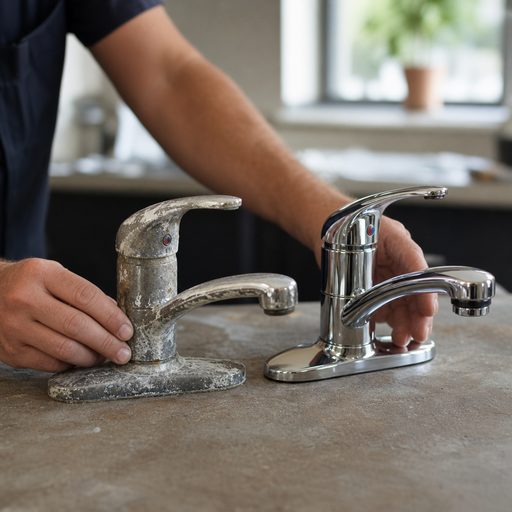
When to Repair vs. Replace a Plumbing Fixture
The Most Common Home Plumbing Repairs
What Do Common Plumbing Repairs Cost?
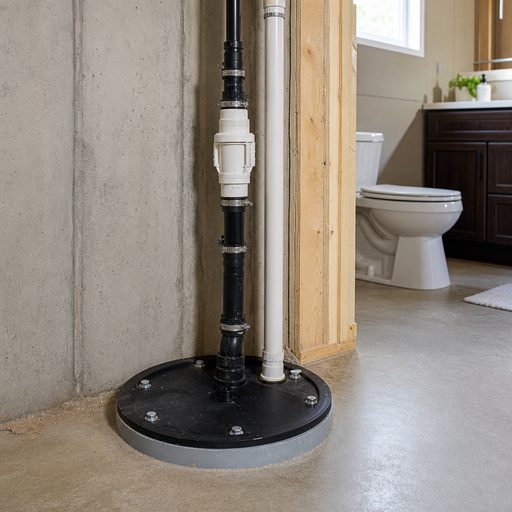
What Does a Sewer Ejector Pump Do (and When Do You Need One)?
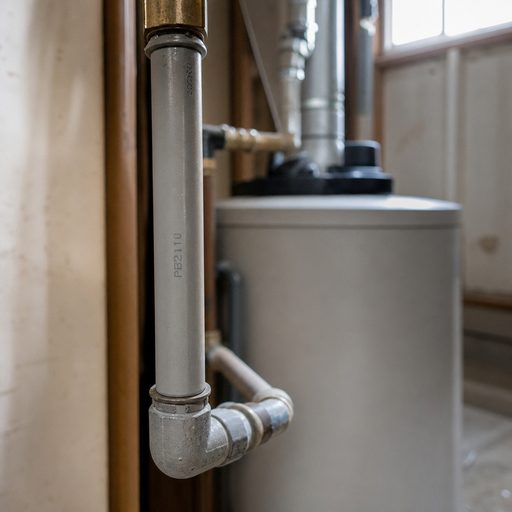
What Is Polybutylene Pipe and Should You Replace It?
Need Plumbing Help Now?
Call Plumbing Advisors to connect with help for leaks, drains, water heaters, sewer lines, burst pipes, toilets, faucets, and more.
No-obligation request · Availability varies by location and provider