
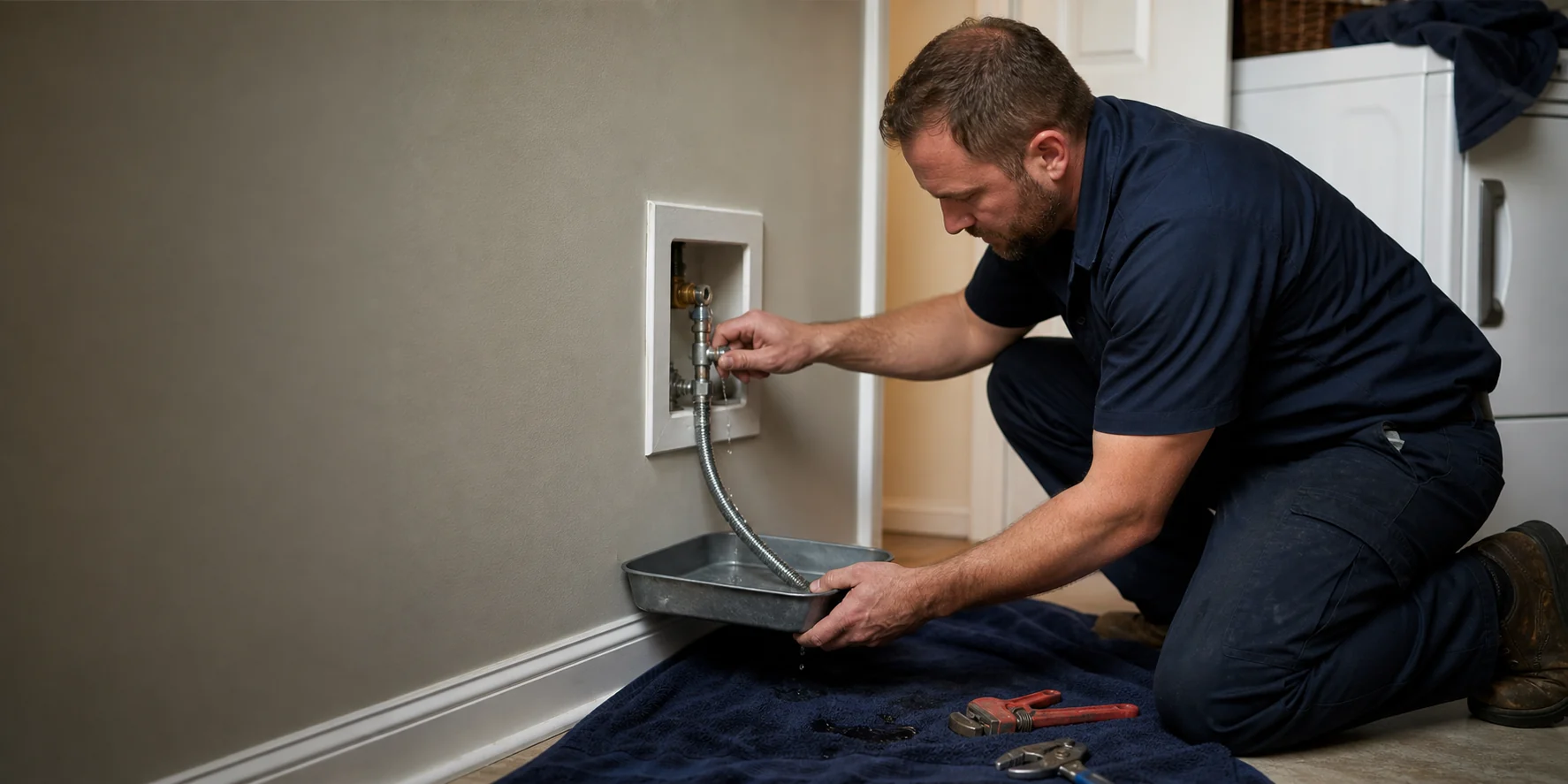
Plumbing Service
Emergency Plumbing
When water is spreading and you need help right now, every minute matters. Plumbing Advisors helps you take the right first steps and connect quickly with plumbing professionals for urgent problems.
Plumbing Advisors provides guidance and connection assistance. Independent providers perform the plumbing work and confirm availability, pricing, timing, and credentials.
On this pageOverview
 Plumbing Advisors Editorial TeamEditorial StandardsSource-Checked
Quick summary
- For active leaks, burst pipes, backups, and overflows
- First priority is stopping water and staying safe
- Call right away to connect with urgent plumbing help
- Availability varies by location, provider, and time of day
About emergency plumbing
An emergency plumber handles the problems that cannot wait: burst or spraying pipes, water you cannot stop, overflowing toilets, sewage backups, and a sudden total loss of water. In these situations the first priority is not the repair itself but stopping the flow of water and keeping people safe. Knowing where your main water shutoff is, and turning it off when it is safe and accessible, is the single most useful thing you can do while help is on the way.
Not every plumbing problem is an emergency, and treating a minor issue as one can mean paying for after-hours work you did not need. This page is meant to help you tell the difference quickly, take the right first steps to limit damage, and connect with plumbing professionals that handle urgent problems in your area. Availability varies by location, provider, and time of day, so calling is the fastest path to help.
Signs it's a plumbing emergency
A burst pipe or spraying water
Water spraying or pouring from a pipe can cause serious damage fast. Shut off the main water valve if it is safe and accessible, then call for urgent help right away.
Water spreading that you cannot stop
If a leak keeps spreading even after you close the nearest fixture valve, treat it as urgent. Move belongings away from the water and stop the flow at the main if you can.
An overflowing toilet or backing-up drain
An overflow or a drain backing up into the home risks water damage and contamination. Stop using the fixture and keep people and pets away from the water until it is contained.
A sewage smell or backup
Sewage backing up into tubs, showers, or floor drains is both a damage and a health concern. Avoid the contaminated area and call for help promptly.
No water at all
A sudden, total loss of water throughout the home can signal a major supply problem. It is worth addressing quickly, especially if it appears alongside a leak elsewhere.
A gas smell near plumbing or a water heater
A gas odor is a separate, serious emergency. Do not use switches, flames, or appliances. Leave the area and contact your gas utility's emergency line from a safe location first. Never troubleshoot or work on a gas line yourself.
What to know
When you need it
- A pipe has burst or water is spraying
- A toilet or drain is overflowing or backing up
- Water is spreading and you cannot stop it
- You have no water or a sudden major leak
Common causes
- Frozen or corroded pipes that crack or burst
- Severe drain or sewer line blockages
- Failed valves, supply lines, or water heater tanks
- Sudden fitting or joint failures
- Backups from the main sewer line
What to check first
- Shut off the main water valve if it is safe and accessible
- For a water heater leak, stop water to the unit if you can reach it safely
- Move belongings away from spreading water
- Stop using fixtures that are backing up or overflowing
When to call a pro
- Call immediately for any active, spreading leak
- Call for sewage backups or overflowing fixtures
- Call if you cannot locate or operate the shutoff
- If you smell gas, leave the area and contact your gas utility's emergency line from a safe location first
Call right away vs. it can usually wait
When something goes wrong, it helps to know whether to act now or schedule a normal visit. The deciding factor is usually whether water is actively spreading or there is a safety or health risk.
Call right away
Treat it as urgent when water is spraying or spreading and you cannot stop it, a pipe has burst, a toilet or drain is overflowing, sewage is backing up, or you have no water at all. Stop the water at the main if it is safe and accessible, keep people away from spreading or contaminated water, and call. If you smell gas, leave the area and contact your gas utility's emergency line from a safe location.
It can usually wait for a scheduled visit
A single dripping faucet, one slow drain, a running toilet, or minor low pressure are important but typically not emergencies, especially once you can stop the water at a fixture valve. These can usually be handled during normal hours, which often avoids after-hours costs. If a problem you thought was minor starts spreading water, treat it as urgent.
What a typical emergency plumbing visit includes
- Guidance on stopping water at the fixture or main first
- Connection with plumbing professionals who handle urgent problems
- Locating and containing the source of the water
- Stabilizing the immediate situation to limit further damage
- Repair or replacement of the failed pipe, valve, or component
- Testing to confirm the leak or backup is resolved
- Guidance on any follow-up work that may be needed
What emergency plumbing costs
A emergency plumbing quote should be based on the inspected scope, access, parts or equipment, permits, restoration, and urgency. Compare written quotes that describe the same work.
Typical emergency plumbing costs
| Service | Typical cost range |
|---|---|
| After-hours service call / dispatch fee | $100–$330 per visit |
Cost ranges are estimates developed from standardized project scopes and reviewed pricing inputs. Government labor and regional cost data are used where applicable. See our Pricing Methodology for the exact sources, calculations, and review date. Actual prices vary by property, scope, materials or equipment, location, and provider.
What affects the cost
- The time of the call, since nights, weekends, and holidays carry premiums
- How severe the problem is and how much water has spread
- Whether the provider charges a minimum of one to two hours of labor
- How accessible the source is, such as inside a wall or under a slab
- Whether the fix is a temporary stabilization or a permanent repair
- Quality and availability of the parts or fixtures needed
- Local labor rates and any permits the repair requires
Typical service process
- 1Stop water at the fixture or main if it is safe and accessible
- 2Keep people and pets away from spreading or contaminated water
- 3Call to connect with urgent plumbing help
- 4Describe the situation so the right help can be matched
- 5Have the source located and contained
- 6Repair or replace the failed component and confirm it is resolved
How to choose the right pro
- Confirm the professional is licensed and insured where your state requires it
- Ask up front about after-hours availability and how pricing works
- Understand that arrival times cannot be guaranteed and depend on demand
- Ask for the scope and cost in writing once the situation is stable
- Check what warranty covers the emergency repair
- Look for clear communication and consistent recent reviews
How Plumbing Advisors helps
Plumbing Advisors helps you act quickly in an emergency: stop the water if you safely can, then call to connect with plumbing professionals that handle urgent problems in your area. We cannot guarantee arrival times, and availability varies by location and provider, but calling is the fastest path to help.
Frequently asked questions
What counts as a plumbing emergency?
Active leaks you cannot stop, burst pipes, sewage backups, overflowing toilets, and a total loss of water are typically emergencies. They risk property damage or health, so they should be addressed right away.
What should I do first in a plumbing emergency?
If it is safe and accessible, shut off the water at the affected fixture or the main valve to stop the flow. Keep people away from spreading or contaminated water, then call to connect with urgent plumbing help.
What if I smell gas?
Treat a gas smell as a separate, serious emergency. Do not use switches or open flames. Leave the area and contact your gas utility's emergency line from a safe location. Gas line issues are not something to troubleshoot yourself.
Can you guarantee how fast someone arrives?
No. Plumbing Advisors connects you with plumbing professionals, but arrival times depend on the provider, your location, and demand. We cannot guarantee a specific arrival time or same-day service everywhere.
Sources and further reading
These references support the safety and technical guidance on this page.
Emergency Plumbing guides
Learn before your emergency plumbing.
Free guides on cost, common problems, repairs, and what to expect — written to help you make the call with confidence.
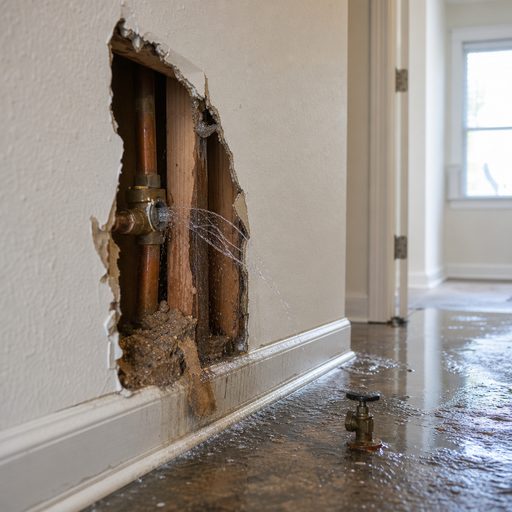
Does Insurance Cover Burst Pipe Water Damage?
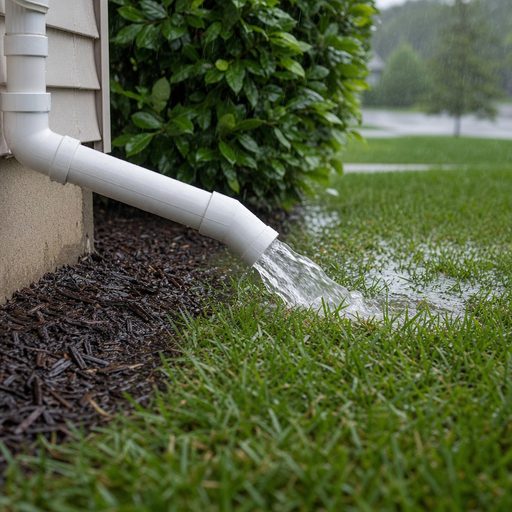
Getting Your Sump Pump Ready for Storm Season
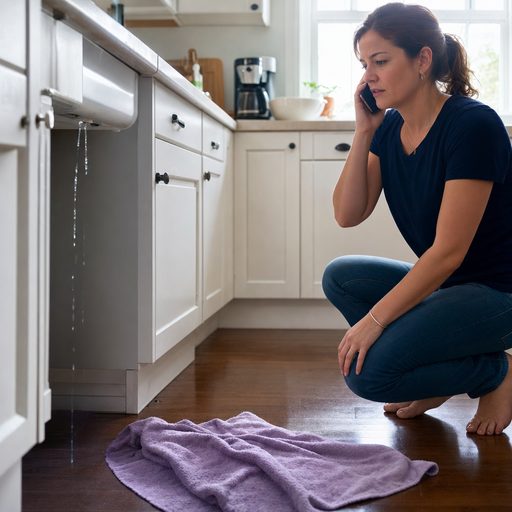
How to Choose an Emergency Plumber Fast
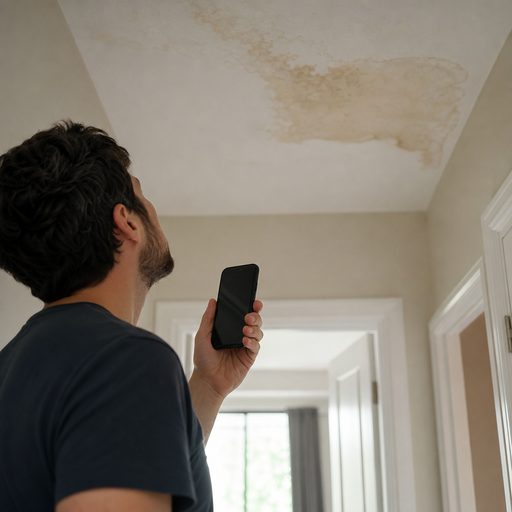
Is a Burst Pipe Always an Emergency?
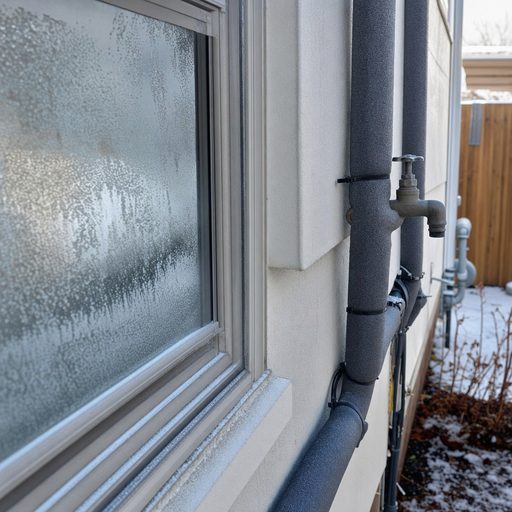
Protecting Your Pipes During a Texas Freeze
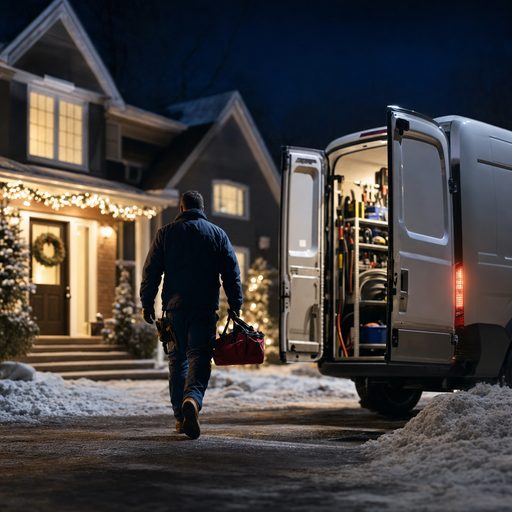
Overnight and Holiday Plumbing: What to Expect
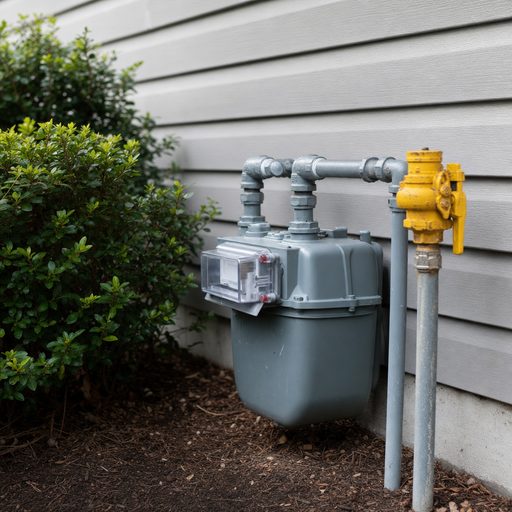
What to Do If You Smell Gas
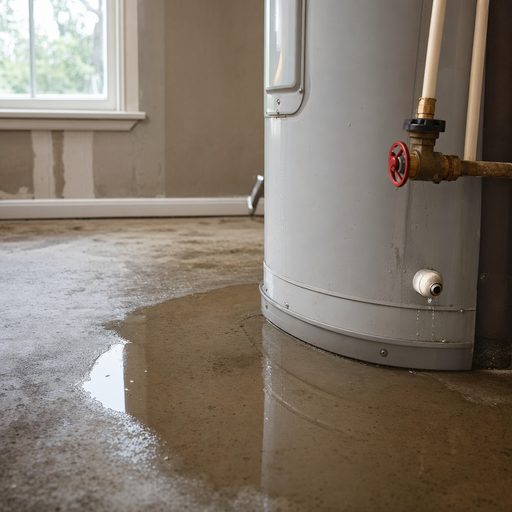
Is a Leaking Water Heater an Emergency?
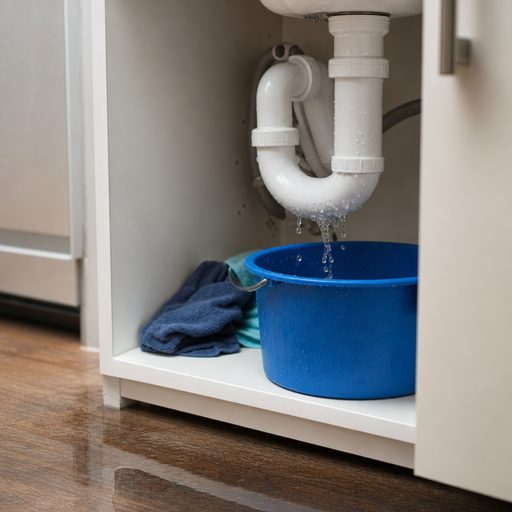
When Is a Plumbing Problem an Emergency?
Start with the symptom
Common problems related to this service
 Water is leaking from a pipeStop the water if you can and arrange urgent service
 A water stain is appearing on the ceilingStop the water if you can and arrange urgent service
 Several drains are backing up at the same timeStop the water if you can and arrange urgent service
 There is no hot waterSchedule plumbing service soonThe water heater is leakingStop the water if you can and arrange urgent serviceA pipe may be frozen and no water comes outStop the water if you can and arrange urgent service
Choose your area
Emergency Plumbing near you
Find emergency plumbing in your state or city. Availability varies by location and provider.
Emergency Plumbing by state
ArizonaAZ8 cities
ArkansasAR5 cities
CaliforniaCA9 cities
ColoradoCO8 cities
ConnecticutCT6 cities
DelawareDE5 cities
FloridaFL8 cities
GeorgiaGA8 cities
IllinoisIL9 cities
IndianaIN8 cities
KentuckyKY6 cities
LouisianaLA6 cities
MarylandMD7 cities
MassachusettsMA8 cities
MichiganMI9 cities
MinnesotaMN7 cities
MississippiMS5 cities
MissouriMO8 cities
NebraskaNE5 cities
New HampshireNH5 cities
New JerseyNJ8 cities
New MexicoNM5 cities
New YorkNY10 cities
North CarolinaNC8 cities
North DakotaND5 cities
OhioOH9 cities
PennsylvaniaPA9 cities
Rhode IslandRI5 cities
South CarolinaSC6 cities
South DakotaSD5 cities
TennesseeTN7 cities
TexasTX10 cities
VirginiaVA8 cities
WashingtonWA8 cities
West VirginiaWV5 cities
WisconsinWI7 cities
Need Plumbing Help Now?
Call Plumbing Advisors to connect with help for leaks, drains, water heaters, sewer lines, burst pipes, toilets, faucets, and more.
No-obligation request · Availability varies by location and provider