
Plumbing Service
Leak Detection
Hidden leaks can quietly cause damage and drive up your water bill long before you see them. Plumbing Advisors helps you spot the warning signs and connect with leak detection help.
Plumbing Advisors provides guidance and connection assistance. Independent providers perform the plumbing work and confirm availability, pricing, timing, and credentials.
On this pageOverview
 Plumbing Advisors Editorial TeamEditorial StandardsSource-Checked
Quick summary
- For hidden leaks you suspect but cannot see
- Common signs include high bills and unexplained moisture
- Professionals use specialized tools to locate leaks
- Call to describe the signs and get connected
About leak detection
Leak detection is the work of finding water that is escaping where you cannot see it, before it quietly damages your home. The trouble with a hidden leak is that the evidence often shows up far from the source, as a stain on a ceiling, a warped floorboard, a musty smell, or simply a water bill that climbed for no obvious reason. Locating the leak precisely is what lets a repair stay small and targeted instead of turning into open walls and guesswork.
There is one safe check you can do yourself first. With every faucet, fixture, and water-using appliance turned off, look at your water meter and note the reading, then check it again after a couple of hours with nothing running. If the meter has moved, water is going somewhere it should not, and that is a strong sign of a hidden leak worth investigating. Beyond that meter test, leave the detective work to a professional who can pinpoint the leak with proper tools rather than cutting into walls to look for it.
Signs you may need leak detection
Your water bill jumped
An unexplained rise in your bill, with no change in how much water you are using, often points to water escaping somewhere out of sight. It is one of the most reliable early clues.
Stains, bubbling paint, or warped floors
Discoloration on walls or ceilings, paint that bubbles, or flooring that warps usually means moisture is reaching places it should not. The damage often appears some distance from the actual leak.
The meter moves with everything off
After turning off all water inside and out, a meter that keeps creeping is strong evidence of a hidden leak. This simple test is safe to do yourself and worth checking before you call.
Sound of running water when nothing is on
Hearing water move inside walls or floors while every fixture is off suggests an active leak in a supply line. It is worth having located before it spreads.
Warm spots on the floor
An unexplained warm area on a slab floor can be a sign of a hot-water line leaking beneath the foundation. Slab leaks are hard to see and benefit from professional detection.
A persistent musty smell
A damp, musty odor with no clear source can mean water is collecting where you cannot see it. Lingering moisture can lead to mold, so it is worth tracing the cause.
What to know
When you need it
- Your water bill rose without a clear reason
- You see stains, bubbling paint, or warped flooring
- You hear running water with everything off
- There is a musty smell or unexplained dampness
Common causes
- Pinhole leaks in aging pipes
- Failed seals or connections inside walls
- Slab leaks in lines beneath the foundation
- Leaking supply lines to fixtures or appliances
- Corrosion in older plumbing systems
What to check first
- Check your water meter with all water off for movement
- Look for stains, warping, or damp spots
- Inspect under sinks and around appliances
- Avoid cutting into walls yourself to find the source
When to call a pro
- You suspect a leak but cannot find the source
- There are signs of a slab leak such as warm floors
- Moisture or stains are spreading
- Your meter shows use when nothing is running
Where the leak is: supply line vs. drain vs. under-slab
Where a leak sits shapes how it behaves and how it gets fixed. Knowing the rough category helps you describe the problem, though a professional confirms the exact source.
Supply line leak
Supply lines are under constant pressure, so these leaks can run steadily and often show up as moving meters, the sound of running water, or spreading damp spots. They tend to waste water continuously, which is why they frequently drive a sudden jump in the bill.
Drain line leak
Drain lines only carry water when something upstream is draining, so these leaks tend to come and go. The clues are often intermittent, such as a stain that worsens after a sink or shower is used, rather than a constantly running meter.
Under-slab leak
A leak in a line beneath the foundation is the hardest to spot and may show as warm floor spots, unexplained dampness, or moving water you cannot trace. These call for specialized detection so the repair can be targeted instead of opening the slab to search.
What a typical leak detection visit includes
- Review of the signs and history you have noticed
- Inspection of likely spots under sinks and around appliances
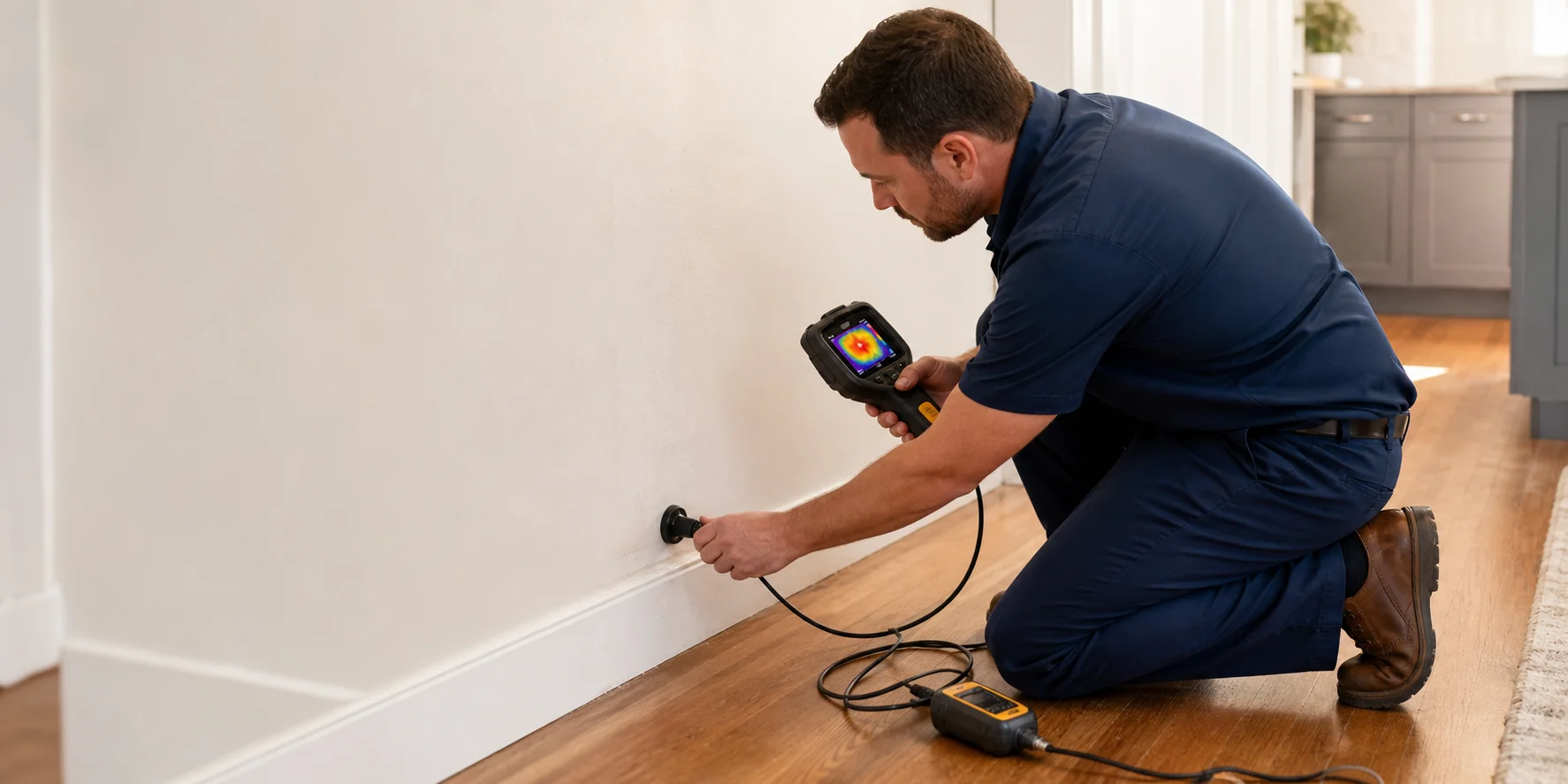
- Use of specialized tools such as acoustic and moisture equipment
- Pinpointing the leak's location to limit demolition
- Identifying whether it is a supply, drain, or under-slab leak
- A clear explanation of the access and repair plan
- Guidance on next steps to fix the leak and address moisture
What leak detection costs
A leak detection quote should be based on the inspected scope, access, parts or equipment, permits, restoration, and urgency. Compare written quotes that describe the same work.
Typical leak detection costs
| Project | Typical cost range |
|---|---|
| Electronic / acoustic leak detection | $200–$650 |
| Slab leak location | $320–$970 |
| Camera / video pipe inspection | $215–$720 |
| Thermal (infrared) imaging | $190–$630 |
| Complex or multi-system detection | $520–$1,675 |
Service-call fees
| Service | Typical cost range |
|---|---|
| Leak detection service call / diagnostic | $125–$410 per visit |
Hourly labor rates
| Labor | Typical cost range |
|---|---|
| After-hours / emergency detection | $165–$430 per hour |
Cost ranges are estimates developed from standardized project scopes and reviewed pricing inputs. Government labor and regional cost data are used where applicable. See our Pricing Methodology for the exact sources, calculations, and review date. Actual prices vary by property, scope, materials or equipment, location, and provider.
What affects the cost
- How accessible the suspected leak location is
- Whether the leak is in a supply line, drain, or under a slab
- The detection methods and equipment the leak requires
- How widespread the moisture or damage has become
- Whether the home has finished walls, floors, or a slab to work around
- After-hours or emergency timing for a fast-spreading leak
- Local labor rates in your area
Typical service process
- 1Document the signs you have noticed
- 2Shut off water if you find an active, accessible leak
- 3Connect with a plumbing professional that services your area
- 4Have the leak located with specialized equipment
- 5Review the access and repair plan for the leak
- 6Confirm the leak is fixed and moisture is addressed
How to choose the right pro
- Choose a licensed, insured plumbing professional where your state or city requires it
- Confirm they use proper leak detection tools rather than guesswork
- Ask for the findings and a repair plan in writing
- Expect a clear explanation of where the leak is and why
- Ask whether detection and repair are quoted separately
- Read recent reviews from homeowners in your area
How Plumbing Advisors helps
Plumbing Advisors helps you recognize the subtle signs of a hidden leak and connects you with plumbing professionals that service your area and use proper leak detection tools. Finding a leak early can limit damage, so it is worth acting on the signs. Availability and pricing vary by location and provider.
Frequently asked questions
How do I know if I have a hidden leak?
Common signs include an unexplained jump in your water bill, stains or warping, a musty smell, or the sound of running water when everything is off. Checking your water meter with all water shut off can also reveal a hidden leak.
How do professionals find hidden leaks?
Plumbing professionals use tools such as acoustic listening equipment, moisture meters, and sometimes cameras to locate a leak without unnecessary demolition. This helps target the repair to the right spot.
Why is finding a leak early important?
Hidden leaks can cause structural damage, mold, and wasted water over time. Locating and repairing a leak early usually limits the damage and the overall cost.
Sources and further reading
These references support the safety and technical guidance on this page.
Leak Detection guides
Learn before your leak detection.
Free guides on cost, common problems, repairs, and what to expect — written to help you make the call with confidence.
How Often Should Your Home's Plumbing Be Inspected?
What Is Polybutylene Pipe and Should You Replace It?
Why Is My Sump Pump Running When It's Not Raining?
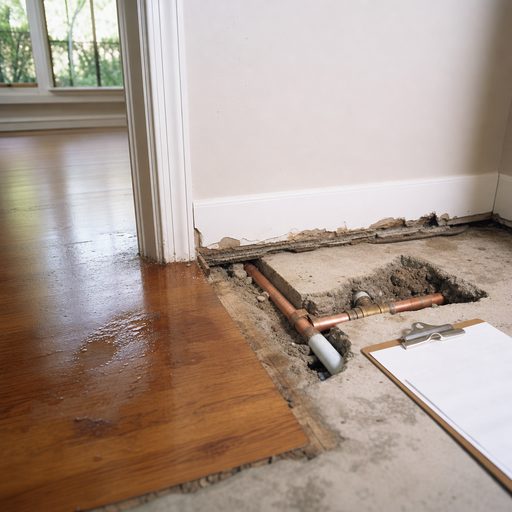
Does Homeowners Insurance Cover Slab Leak Repair?
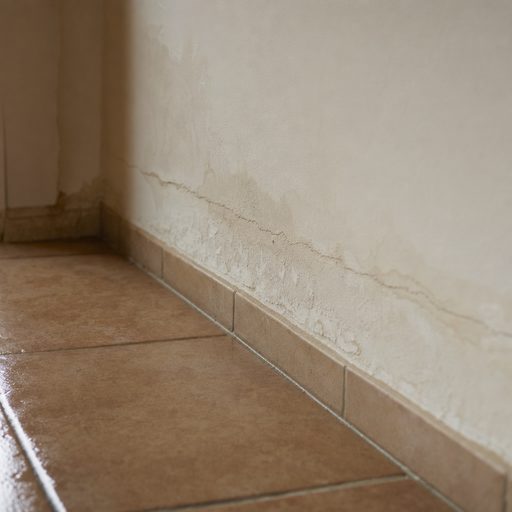
Why a Slab Leak Is an Emergency and the Risk of Waiting
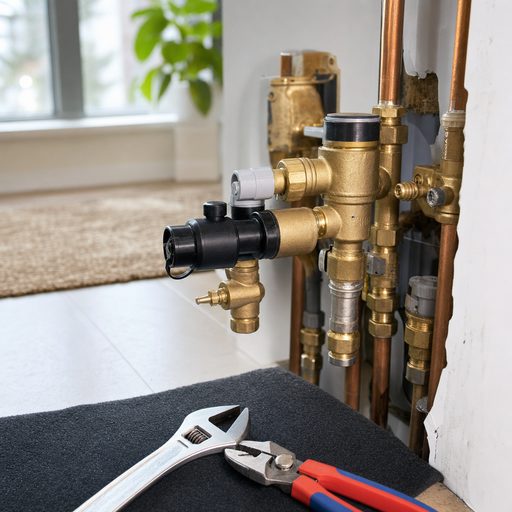
What Happens After a Leak Is Found
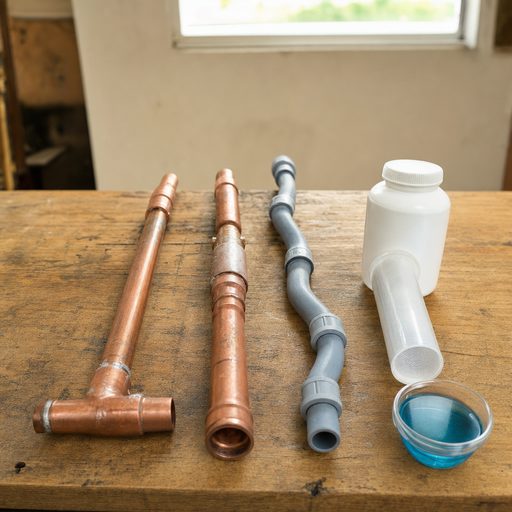
Slab Leak Repair Options: Spot Repair, Reroute, or Lining
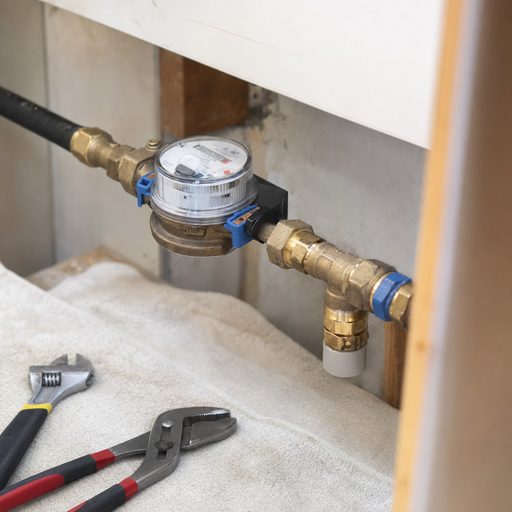
The Safe Water-Meter Leak Test, Step by Step
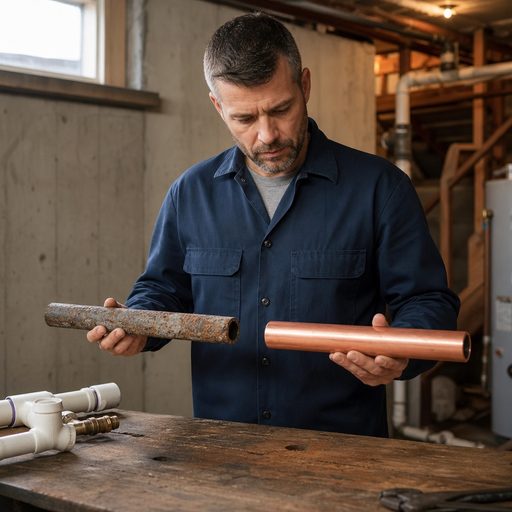
Pipe Repair vs. Section Replacement vs. Whole-Home Repipe
Start with the symptom
Common problems related to this service
 Water is leaking from a pipeStop the water if you can and arrange urgent service
 Water is collecting under the sinkSchedule plumbing service soon
 A water stain is appearing on the ceilingStop the water if you can and arrange urgent serviceThe water meter moves when fixtures are offSchedule plumbing service soon
 Water pressure is low throughout the houseSchedule plumbing service soon
 Water is near electrical equipmentKeep away from the hazard and act now
Choose your area
Leak Detection near you
Find leak detection in your state or city. Availability varies by location and provider.
Leak Detection by state
CaliforniaCA9 cities
ColoradoCO8 cities
ConnecticutCT6 cities
DelawareDE5 cities
FloridaFL8 cities
GeorgiaGA8 cities
IllinoisIL9 cities
IndianaIN8 cities
KentuckyKY6 cities
LouisianaLA6 cities
MarylandMD7 cities
MassachusettsMA8 cities
MichiganMI9 cities
MinnesotaMN7 cities
MississippiMS5 cities
MissouriMO8 cities
MontanaMT5 cities
NebraskaNE5 cities
New HampshireNH5 cities
New JerseyNJ8 cities
New MexicoNM5 cities
New YorkNY10 cities
North CarolinaNC8 cities
North DakotaND5 cities
OhioOH9 cities
OklahomaOK5 cities
PennsylvaniaPA9 cities
Rhode IslandRI5 cities
South CarolinaSC6 cities
South DakotaSD5 cities
TennesseeTN7 cities
TexasTX10 cities
VirginiaVA8 cities
WashingtonWA8 cities
West VirginiaWV5 cities
WisconsinWI7 cities
WyomingWY5 cities
Need Plumbing Help Now?
Call Plumbing Advisors to connect with help for leaks, drains, water heaters, sewer lines, burst pipes, toilets, faucets, and more.
No-obligation request · Availability varies by location and provider