 Plumbing Advisors Editorial TeamEditorial StandardsUpdated July 5, 2026Source-Checked
Most homes do not need a full professional plumbing inspection every year. A good rule is a homeowner self-check once a year, then a professional inspection every 2 to 5 years depending on the home’s age, pipe material, water quality, and any history of leaks, backups, or pressure problems.
What is the right inspection schedule for most homes?
There is no single schedule that fits every house. Newer homes with modern supply lines, no drainage issues, and stable water pressure can often go longer between professional inspections. Older homes, homes with galvanized steel or aging copper, properties with large trees near sewer lines, and houses with a past leak or backup usually benefit from more frequent checkups. Annual homeowner reviews still make sense in any house because small changes are often easiest to catch early.
Think of plumbing inspections in layers. Your yearly review is a visual check for drips, corrosion, staining, slow drains, toilet leaks, and changes in water pressure or water heater behavior. A professional Plumbing inspection goes deeper, checking visible piping, fixture function, shutoff valves, drainage performance, water heater condition, and signs that hidden leaks may be developing. If the home has a known sewer concern, a Sewer Camera Inspection may also be appropriate.
When should you have plumbing inspected sooner?
- Before buying an older home, especially if the sewer line age and material are unknown
- After repeated clogs or backups in more than one drain
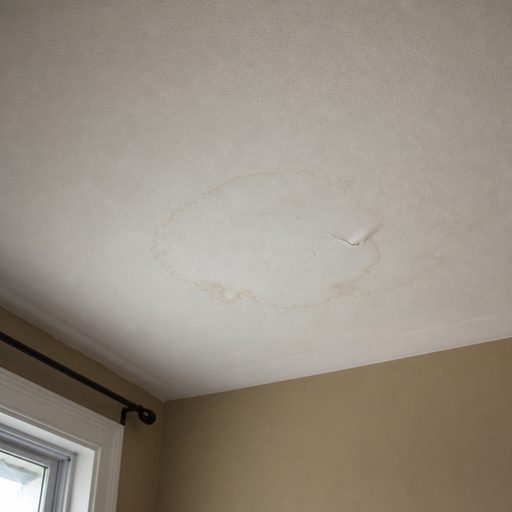
- When you suspect a concealed pipe leak behind walls, under floors, or under a slab
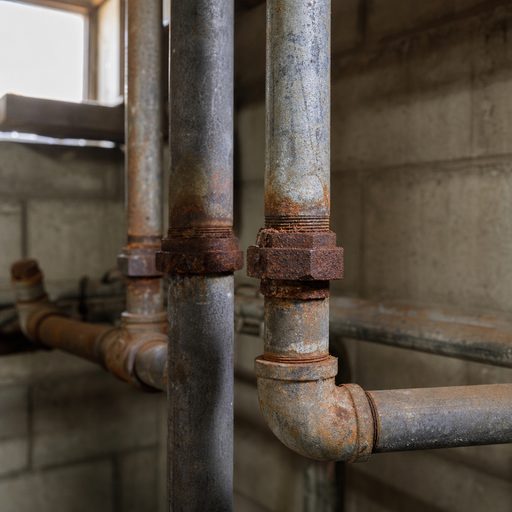
- If your home has older piping materials or signs of corrosion
- After major foundation movement, freeze damage, or renovations that may have affected pipes
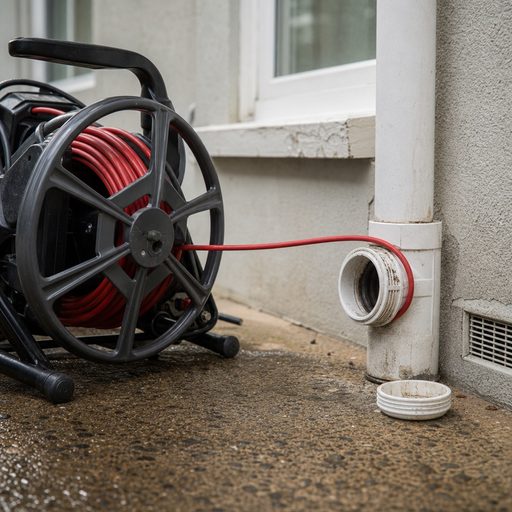
A camera inspection is especially useful before purchasing an older property or after recurring drainage problems. It can reveal root intrusion, offsets, bellies, heavy buildup, or damaged sections in the sewer line without guessing. If the concern is water showing up where it should not, Leak Detection may be the more relevant next step. Homeowners trying to understand the process can also read How a Sewer Camera Inspection Works and How to Find a Hidden Plumbing Leak.
What does a real plumbing inspection cover?
A proper inspection is more than glancing under a sink. For the water supply side, a plumber may check exposed pipes for active leaks, corrosion, poor supports, aging shutoff valves, and pressure concerns. Fixtures are often tested for normal flow and drainage, toilets checked for flapper or fill valve leaks, and angle stops examined for seepage or stiffness. In homes with pressure issues, the pressure-reducing valve may be part of the conversation if one is installed.
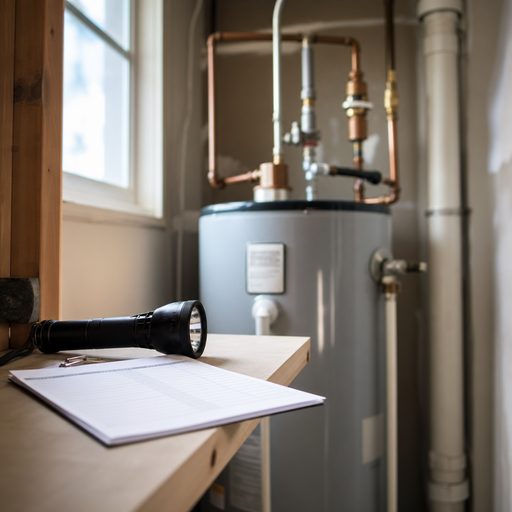
For the drainage side, the inspector looks for slow movement, gurgling, recurring stoppages, sewer odors, and signs of venting or branch-line problems. Water heaters are also important: inspectors commonly look for tank corrosion, rust at connections, improper venting on fuel-fired units, an aging anode rod or TPR valve on tank models, and evidence of past leakage around the base. If the home has widespread aging pipes, the findings may overlap with Signs You May Need to Repipe Your Home.
A yearly self-check catches many problems early
Walk the house once a year and look under sinks, around toilets, behind the washing machine, near the water heater, and around outdoor hose bibs. Listen for running water when nothing is on, and watch for stains, warped flooring, mildew smells, or unusually slow drains.
How do home age and pipe material change the timing?
Home age matters because pipe systems do not all age the same way. A relatively new home with PEX or newer copper may mainly need routine observation unless symptoms appear. An older home with galvanized steel may have internal buildup, restricted flow, or hidden corrosion even when leaks are not obvious. Older cast iron drain lines can develop scale, cracks, and channel wear over time, while clay sewer lines may be more vulnerable to root intrusion and shifting.
That does not mean every older home needs annual professional service. It means the inspection interval should be shorter when materials are older, repair history is unclear, or conditions point to wear. If there is a pattern of pinhole leaks, slab leak concerns, frequent fixture replacements, or chronic drainage issues, a plumber may suggest a more targeted evaluation. In some cases, the discussion shifts from maintenance to planning, including whether portions of the system are approaching repipe territory.
How can you decide between a routine inspection and a targeted diagnostic visit?
A routine inspection makes sense when you want a general health check and the system is mostly working normally. It is broad and preventive. A targeted diagnostic visit is different: it focuses on a specific symptom such as one area of water damage, a sudden drop in pressure, a recurring toilet overflow, or sewage backing up at the lowest drain in the house. Matching the visit type to the symptom usually leads to clearer answers.
For example, recurring whole-house drainage problems often call for Sewer Camera Inspection rather than a basic visual review. Unexplained moisture, warm spots on flooring, or a meter that moves when fixtures are off point more toward Leak Detection. If you are mainly trying to stay ahead of wear and avoid surprise failures, a routine Plumbing inspection every few years plus an annual self-check is usually the practical middle ground.
Should plumbing be inspected before buying a house?
Yes, especially with older homes or any property with signs of past water damage, slow drains, or uncertain pipe history. A standard home inspection may miss developing plumbing problems. Depending on the situation, it can make sense to add a more focused Plumbing review or a Sewer Camera Inspection to look for hidden drainage issues before closing.
Is a sewer camera inspection part of every plumbing inspection?
No. It is usually added when there are repeated backups, persistent slow drains, an older sewer line, large trees near the line, or when buying an older home and the drain system history is unclear. For many homes with no drainage symptoms, a full camera scope is not necessary at every visit.
Can I inspect my own plumbing instead of hiring a pro?
You can do a useful yearly visual check and catch leaks, stains, corrosion, running toilets, and slow drains early. What you cannot do as easily is evaluate hidden leaks, sewer line condition, pressure problems, or subtle water heater deterioration. Self-checks and professional inspections work best together rather than replacing each other.
What if an inspection finds old pipes but no active leak?
That usually means it is time for monitoring and planning, not panic. A plumber may recommend watching for corrosion, pressure changes, discolored water, or recurring repairs, and discussing whether sections of the system are nearing the end of their service life. If aging is widespread, Signs You May Need to Repipe Your Home can help you understand the next steps.
Sources and further reading
These references support material safety, technical, consumer, or planning guidance in this article. Confirm property-specific requirements with the applicable authority and professional.