 Plumbing Advisors Editorial TeamEditorial StandardsReviewed July 19, 2026Source-Checked
The short answer
What this problem usually points to
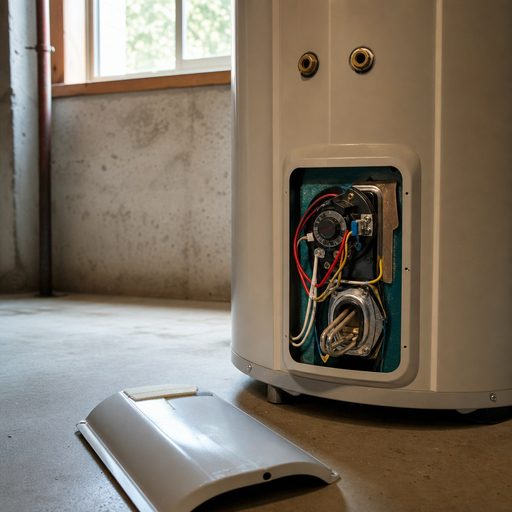
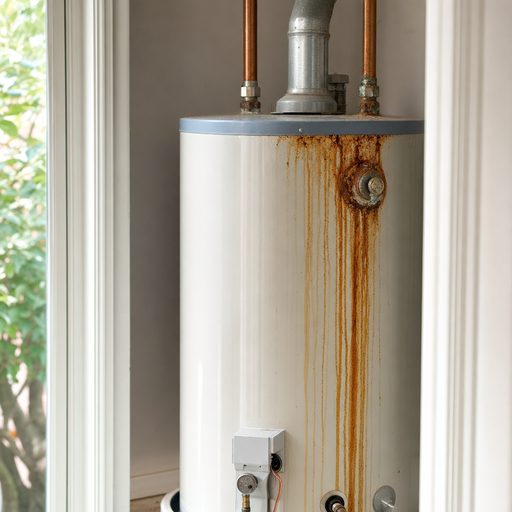
No hot water can come from lost power or fuel, a control or ignition problem, a failed heating element, or a tankless fault. Check only the normal thermostat or appliance display and the home breaker position; do not open panels or relight equipment unless the manufacturer instructions specifically allow it.
Schedule plumbing service soon
The problem may become more disruptive or damaging if it continues, so arrange an inspection instead of repeatedly working around it.
What the visible pattern can mean
These are routing clues, not a confirmed diagnosis. The safe next step changes with where the water appears, which fixtures are affected, and whether the problem is active.
| What you notice | What it may mean | Safe next step |
|---|---|---|
| The unit display is blank | Power, a disconnect, or an internal control may be off | Check the labeled breaker once and leave panels closed |
| A gas unit shows an error or no flame | Fuel supply, ignition, venting, or a safety control may be involved | Follow only the user-level manufacturer instructions and stop if you smell gas |
| Hot water stopped gradually or returns briefly | A heating element, burner, thermostat, scale, or mixing issue may be reducing output | Note the pattern and arrange water heater diagnosis |
Safe checks and important limits
Safe checks you can make
- Confirm whether every hot-water fixture is affected.
- Check the appliance display and the labeled breaker one time.
- Note any error code, leak, odor, or unusual sound without opening the unit.
Stop before these steps
- Do not remove electrical covers or bypass a safety control.
- Do not relight gas equipment if you smell gas or the instructions are unclear.
When to call a plumber
- Call when the unit has power or fuel but still produces no hot water.
- Request prompt help for a leak, burning odor, repeated breaker trip, or gas odor.
Recommended services
Where to start
Start with the first service below. A plumber can confirm whether a related service is needed after inspecting the problem.

Questions homeowners ask
Frequently asked questions
Is there is no hot water an emergency?
Schedule plumbing service soon. The problem may become more disruptive or damaging if it continues, so arrange an inspection instead of repeatedly working around it.
What can I check safely before a plumber arrives?
Confirm whether every hot-water fixture is affected. Check the appliance display and the labeled breaker one time. Stop if the situation changes or the check would require opening a wall, drain, appliance, or powered component.
Which plumbing service should I request?
Water Heater Repair is the best starting point for this visible symptom. A plumbing professional still needs to inspect the system before confirming the cause or repair.
What should I tell the plumber?
Share when the problem started, whether it is constant or intermittent, which fixtures are affected, and any water, odor, noise, temperature change, or recent plumbing work you noticed.
Sources and further reading
These references support the safety and system guidance used to route this observable plumbing problem. They do not diagnose a specific property.