 Plumbing Advisors Editorial TeamEditorial StandardsUpdated May 27, 2026Source-Checked
A toilet that flushes weakly, leaves waste behind, or needs two flushes to finish the job is a common frustration, but it rarely means the toilet is broken. A proper flush depends on a quick, strong release of water from the tank and a clear path through the bowl and drain, so a weak flush almost always traces back to one of a handful of simple causes. Understanding what makes a flush strong helps you narrow down the problem and decide whether it is a quick adjustment you can make or a sign of something that needs a professional.
What a Strong Flush Needs
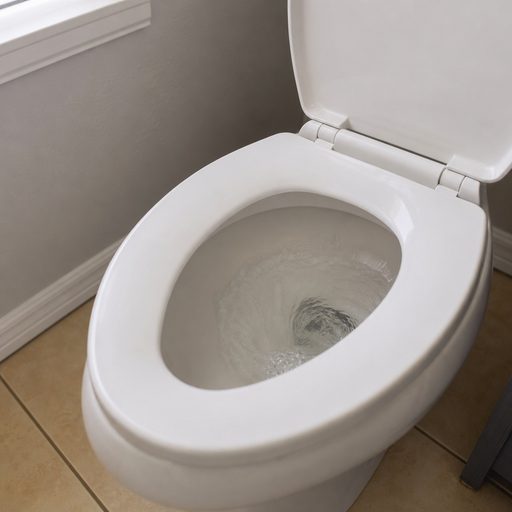
When you flush, the tank dumps a large volume of water into the bowl all at once, and that surge is what carries everything down and out. For that to happen well, the tank has to hold enough water, the flapper has to stay open long enough to release it, and the water has to flow freely through the small rim jets and the larger siphon jet inside the bowl. If any one of those is restricted, the flush loses its force. Most of the time the cause is a minor issue with the water level, a worn part, or mineral buildup rather than a serious fault, which is why a weak flush is often an easy fix once you find the culprit.
Common Reasons for a Weak Flush
- A low water level in the tank, often from a float set too low, so there is not enough water to power the flush.
- A flapper that closes too soon, cutting the flush short before the tank empties.
- Clogged rim jets or siphon jet, where mineral and bacterial buildup blocks the holes under the bowl rim that direct the water.
- A partial clog in the trap or drain that lets water through slowly but drags down the flush.
- A blocked or restricted vent, which can leave the drain unable to move water and waste away quickly.
- An old or low-flow toilet that simply never had a strong flush to begin with.
Check the tank water level first
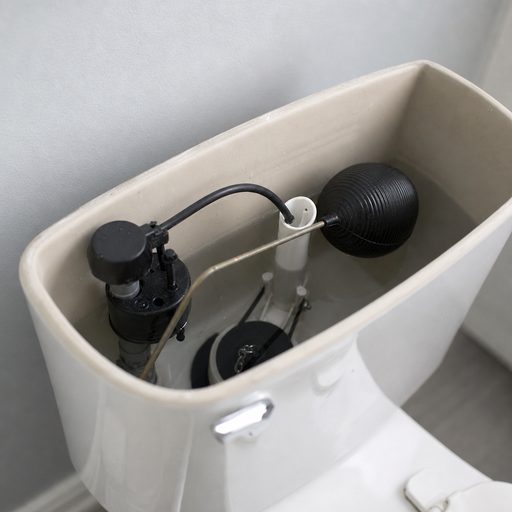
Lift the tank lid and look at the water level after it refills; it should sit about an inch below the top of the overflow tube. If it is low, gently adjusting the float to allow a higher fill is often all it takes to restore a strong flush. Always turn off the toilet's shutoff valve before adjusting or removing any parts inside the tank.
Safe Checks You Can Make
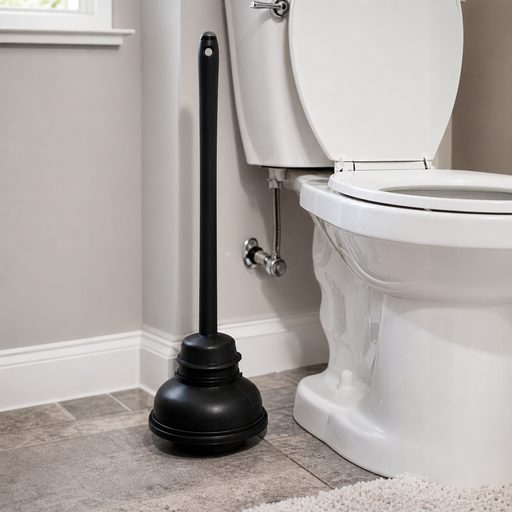
Start by lifting the tank lid and watching a full flush. Confirm the water level is high enough, and notice whether the flapper stays open until most of the tank has drained or snaps shut early. Then look under the rim of the bowl: if the small jets are crusted with mineral deposits, gently cleaning them can noticeably improve how the water swirls and clears the bowl. If the bowl drains slowly or you suspect a partial clog, a careful round of plunging may restore the flow. These are all safe, simple steps that solve many weak-flush problems without any special tools.
When to Call a Professional
If the tank and bowl look fine but the flush is still weak, or if more than one drain in the home is sluggish, the problem may be a partial clog or a venting issue deeper in the system rather than anything in the toilet itself. Repeated weak flushes, gurgling from other fixtures, or water that rises and drains slowly can all point to a blockage further down the line. In those situations, professional toilet repair can address a worn or faulty part, and clogged drain service can clear a blockage and check the vent and drain line with the right equipment. If your toilet is fully blocked rather than just weak, our guide on how to unclog a toilet safely walks through the steps to try first, and if it also runs constantly between flushes, our guide on why a toilet keeps running covers the simple tank checks worth making.
Sources and further reading
These references support material safety, technical, consumer, or planning guidance in this article. Confirm property-specific requirements with the applicable authority and professional.