
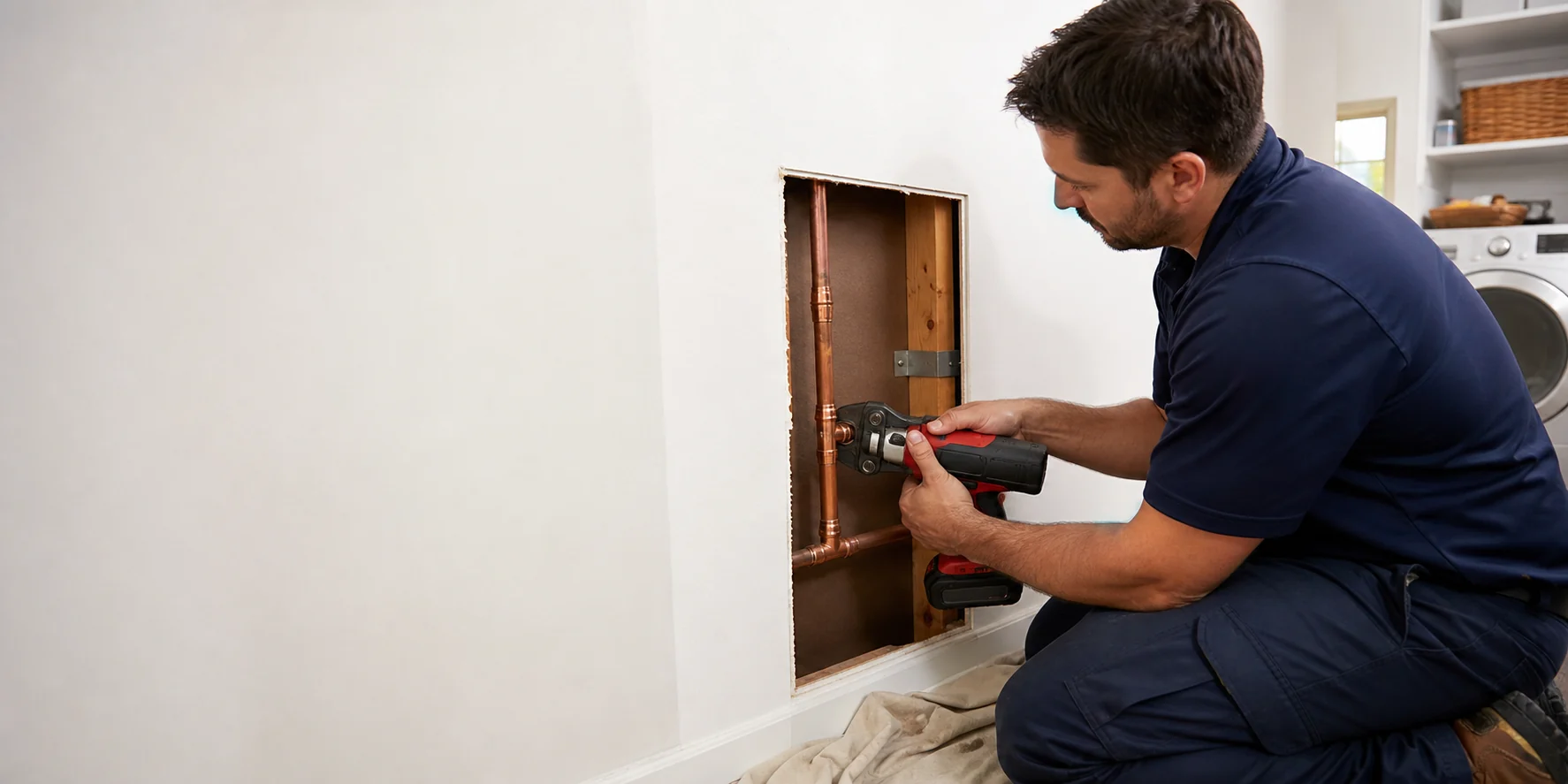
Plumbing Service
Plumbing Repair
Plumbing repairs cover the everyday problems that wear down over time: leaks, dripping fixtures, weak water pressure, and pipes that need attention. Plumbing Advisors helps you understand the issue and connect with repair help.
Plumbing Advisors provides guidance and connection assistance. Independent providers perform the plumbing work and confirm availability, pricing, timing, and credentials.
On this pageOverview
 Plumbing Advisors Editorial TeamEditorial StandardsSource-Checked
Quick summary
- Covers leaks, fixtures, valves, and minor pipe repairs
- Often the right call for slow, nagging issues before they grow
- Early repair can prevent water damage and higher bills
- Call to describe the issue and get connected with repair help
About plumbing repair
Plumbing repair covers the everyday fixes that keep water flowing where it should and stop it where it should not. That usually means dripping faucets, leaking valves and supply lines, worn fixture parts, weak water pressure, and isolated sections of pipe that need attention. These problems tend to develop slowly as washers, seals, and fittings wear out or as mineral buildup restricts flow. Catching them early generally keeps the fix simple and prevents water damage and higher bills.
Not every repair is the same. A loose handle or a worn cartridge is minor, while repeated leaks, corrosion, or moisture inside a wall can point to a larger issue. The aim of this page is to help you tell a one-off repair from a warning sign, take a few safe first steps, and connect with a plumbing professional that services your area when the problem is beyond a basic fix.
Signs you may need plumbing repair
A faucet or valve that keeps dripping
Steady dripping usually means a worn washer, O-ring, or cartridge inside the fixture. It wastes water and tends to get worse, so it is worth repairing rather than living with.
Moisture or stains near pipes and fixtures
Dampness under a sink, around a fixture base, or on a nearby wall points to a slow leak. Even small leaks can damage cabinets and flooring and encourage mold over time.
Water pressure that has dropped
Lower pressure at one fixture is often a clogged aerator or a partly closed valve. When it affects more than one fixture, the cause is usually broader and worth having checked.
A fixture that is loose, noisy, or sticky
A wobbly faucet, a handle that is hard to turn, or knocking pipes when you shut off water all signal worn or loose parts that a repair can correct.
The same problem coming back
A leak or clog that returns shortly after you fix it often means the real cause has not been addressed. Repeated failures on aging plumbing can be a sign to consider replacement.
A shutoff valve that will not seal
If closing a fixture valve does not fully stop the water, the valve itself may be failing. Avoid forcing a stuck valve and have it looked at before it gives out.
What to know
When you need it
- A faucet, valve, or pipe is dripping or leaking
- Water pressure has dropped at one or more fixtures
- A fixture is loose, noisy, or not working correctly
- You see stains or moisture near pipes or fixtures
Common causes
- Worn washers, O-rings, and cartridges
- Corroded or aging pipe sections and fittings
- Loose or failing supply and shutoff valves
- Mineral buildup restricting flow
- Past repairs that were not done correctly
What to check first
- Identify exactly which fixture or area is affected
- Check whether the fixture shutoff valve stops the leak
- Look under sinks and around the base of fixtures for moisture
- Avoid forcing a stuck valve or handle
When to call a pro
- A leak does not stop when you close the fixture valve
- You find corrosion, repeated leaks, or water damage
- Pressure problems affect the whole house
- You are not comfortable opening or disassembling plumbing
Repair vs. replace the fixture or component
Once a professional finds the problem, the choice is often whether to repair the existing part or replace it. Age, condition, and how often it has failed usually decide which makes more sense.
Repair the existing part
Repair tends to make sense for a one-time issue on a fixture or pipe that is otherwise in good shape, such as a worn cartridge, a fresh washer, or a single tightened connection. It is usually the lower-cost option in the moment and a good choice when the rest of the component is sound. If the same part keeps failing, weigh that against replacement.
Replace the fixture or component
Replacement is often the better long-term value when a fixture is old, corroded, or has needed repeated repairs, or when parts are hard to find. A new faucet, valve, or pipe section can cost more up front but reduces the chance of recurring leaks and repeat visits. A plumbing professional can compare the two for your specific situation.
What a typical plumbing repair visit includes
- Pinpointing the leaking or failing fixture, valve, or pipe
- Inspection of the affected component and surrounding area
- Repair or replacement of worn parts, valves, or pipe sections
- Replacing washers, O-rings, or cartridges as needed
- Testing for leaks and confirming normal operation
- A recommendation on whether to repair or replace
- Cleanup of the immediate work area
What plumbing repair costs
A plumbing repair quote should be based on the inspected scope, access, parts or equipment, permits, restoration, and urgency. Compare written quotes that describe the same work.
Typical plumbing repair costs
| Project | Typical cost range |
|---|---|
| Dripping faucet repair | $130–$370 |
| Faucet cartridge replacement | $155–$440 |
| Leaky pipe repair (accessible) | $175–$580 |
| Leaky pipe repair (inside a wall) | $400–$1,400 |
| Toilet repair (fill valve, flapper, leak) | $120–$380 |
| Typical leak repair (overall average) | $175–$820 |
Cost ranges are estimates developed from standardized project scopes and reviewed pricing inputs. Government labor and regional cost data are used where applicable. See our Pricing Methodology for the exact sources, calculations, and review date. Actual prices vary by property, scope, materials or equipment, location, and provider.
What affects the cost
- The type of repair, since a faucet cartridge differs greatly from a pipe section
- How accessible the problem is, such as under a sink versus inside a wall
- Quality of the parts or fixtures being installed
- Whether water damage or corrosion is also present
- How many fixtures or components need attention
- Whether the visit is routine or after-hours
- Local labor rates and any permits required
Typical service process
- 1Pinpoint the leaking or failing fixture, valve, or pipe
- 2Shut off water at the fixture or main if it is safe and accessible
- 3Connect with a plumbing professional that services your area
- 4Have the affected component inspected
- 5Repair or replace worn parts, valves, or pipe sections
- 6Test for leaks and confirm normal operation
How to choose the right pro
- Confirm the professional is licensed and insured where your state requires it
- Ask for an itemized estimate that separates parts and labor
- Ask whether a repair or a full replacement is more cost-effective long term
- Get more than one quote for larger repairs
- Check what warranty covers the work and the parts
- Look for clear communication and consistent recent reviews
How Plumbing Advisors helps
Plumbing Advisors helps you tell whether a repair is simple or a sign of a bigger problem, then connects you with plumbing professionals that service your area. Describe what you are seeing when you call so we can point you to the right help. Pricing and availability vary by location and provider.
Frequently asked questions
How do I know if I need a repair or a full replacement?
It depends on the age and condition of the fixture or pipe and how often it has failed. A one-time issue on a newer component is usually a simple repair, while repeated failures on aging plumbing may point to replacement. A plumbing professional can assess and advise.
Can a small leak really cause damage?
Yes. Even a slow drip can damage cabinets, flooring, and drywall over time and encourage mold. Catching and repairing leaks early usually keeps the fix simple and inexpensive.
Should I shut off the water before the plumber arrives?
If something is actively leaking and the shutoff is safe and accessible, turning off the fixture valve or the main water valve can prevent damage. Avoid using the affected fixture until it is inspected.
Why did my water pressure drop?
Low pressure can come from a clogged aerator, a partially closed valve, corrosion, or a leak. If it affects the whole home, the cause is usually broader and worth having checked by a professional.
Sources and further reading
These references support the safety and technical guidance on this page.
Plumbing Repair guides
Learn before your plumbing repair.
Free guides on cost, common problems, repairs, and what to expect — written to help you make the call with confidence.
Should You Let Faucets Drip in Freezing Weather?

How to Find a Reliable Plumber
Common Sink Drain Problems and What Causes Them
Safe Checks to Do Before Calling a Plumber
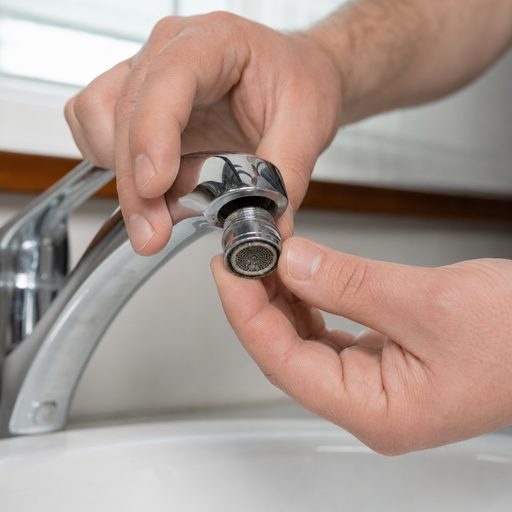
Low Water Pressure at One Faucet: What to Check
Texas Plumbing Permits: What Homeowners Should Know
Why Your Water Bill Suddenly Increased
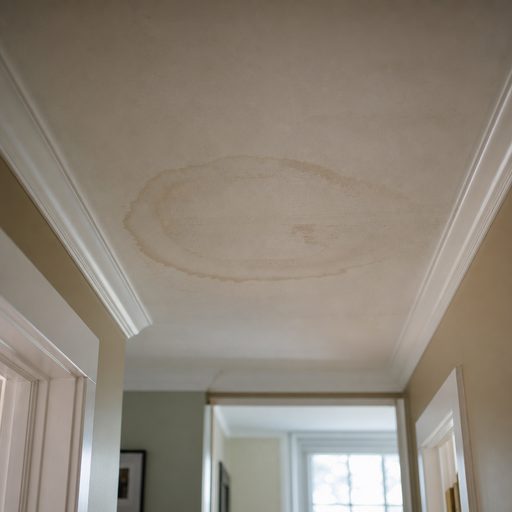
Signs You Should Call a Plumber Now
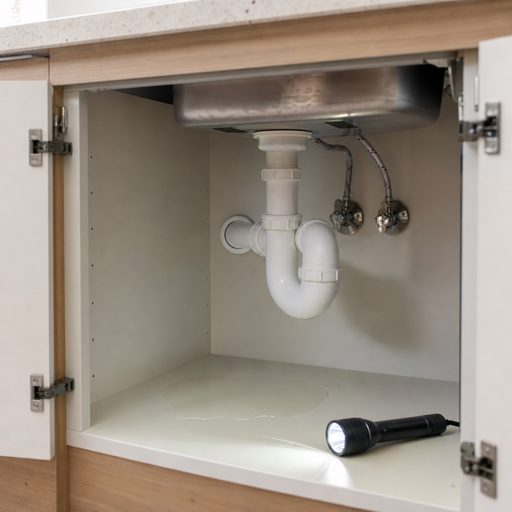
Why Is My Sink Leaking Under the Cabinet?
Start with the symptom
Common problems related to this service
 Water pressure is low throughout the houseSchedule plumbing service soon
 Only one faucet has low water pressureMonitor it and plan service if it continues
 Pipes bang when water starts or stopsSchedule plumbing service soon
 The toilet keeps runningMonitor it and plan service if it continuesThe faucet keeps dripping after it is turned offMonitor it and plan service if it continues
Choose your area
Plumbing Repair near you
Find plumbing repair in your state or city. Availability varies by location and provider.
Plumbing Repair by state
CaliforniaCA9 cities
ColoradoCO8 cities
ConnecticutCT6 cities
DelawareDE5 cities
FloridaFL8 cities
GeorgiaGA8 cities
IllinoisIL9 cities
IndianaIN8 cities
KentuckyKY6 cities
LouisianaLA6 cities
MarylandMD7 cities
MassachusettsMA8 cities
MichiganMI9 cities
MinnesotaMN7 cities
MississippiMS5 cities
MissouriMO8 cities
MontanaMT5 cities
NebraskaNE5 cities
New HampshireNH5 cities
New JerseyNJ8 cities
New MexicoNM5 cities
New YorkNY10 cities
North CarolinaNC8 cities
North DakotaND5 cities
OhioOH9 cities
OklahomaOK5 cities
PennsylvaniaPA9 cities
Rhode IslandRI5 cities
South CarolinaSC6 cities
South DakotaSD5 cities
TennesseeTN7 cities
TexasTX10 cities
VirginiaVA8 cities
WashingtonWA8 cities
West VirginiaWV5 cities
WisconsinWI7 cities
WyomingWY5 cities
Need Plumbing Help Now?
Call Plumbing Advisors to connect with help for leaks, drains, water heaters, sewer lines, burst pipes, toilets, faucets, and more.
No-obligation request · Availability varies by location and provider