 Plumbing Advisors Editorial TeamEditorial StandardsUpdated July 5, 2026Source-Checked
Yes—PEX is generally safe for drinking water when the tubing and fittings are certified for potable water use, especially to NSF/ANSI 61. Modern PEX is widely used for home water supply lines, and most concerns today relate to product certification, installation quality, and temporary taste or odor after a new install rather than ongoing health risk.
What makes PEX safe for potable water?
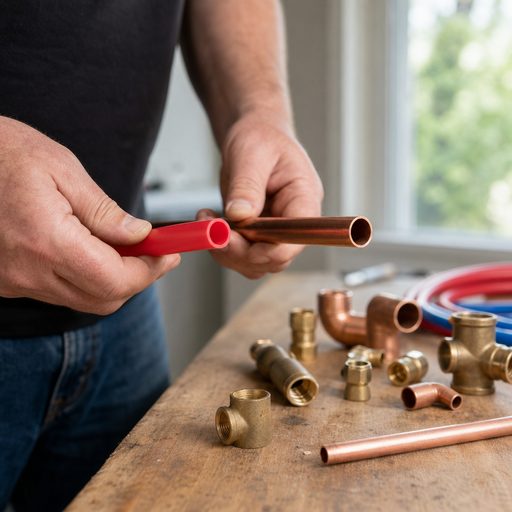
PEX, or cross-linked polyethylene, is a flexible plastic pipe used for hot and cold water distribution inside homes. It is considered suitable for drinking water when the specific product is listed for potable water applications and meets recognized standards such as NSF/ANSI 61, which addresses materials that come into contact with drinking water. That certification matters more than the simple fact that a pipe is labeled PEX, because homeowners should be confident the tubing, fittings, and connection components were evaluated for potable use.
In practical terms, safe potable-water PEX should come from a reputable manufacturer, be clearly marked for drinking water, and be installed according to the manufacturer’s instructions and local plumbing code. Local code approval is important because some jurisdictions restricted certain plastic piping products in earlier years while standards and formulations were evolving. Today, PEX is accepted in many areas, but local rules still control what can be installed in a given home.
Why did some homeowners worry about PEX in the past?
Much of the concern around PEX came from earlier reports of plastic-like taste or odor, especially after a new installation or when water sat in the lines for long periods. Those issues did not automatically mean the water was unsafe, but they did create understandable concern. Modern PEX formulations are generally improved, and many of the early complaints were tied to specific products, water conditions, or the normal break-in period after installation rather than a universal problem with all PEX piping.
Water chemistry also matters. Highly chlorinated water, stagnant water in infrequently used branches, and heat can affect how noticeable taste or odor is in any plumbing material, including plastics. If a home has unusual water quality issues, it can make sense to discuss material selection during Repiping and compare options in PEX vs. Copper for a Repipe: How to Choose. The right choice depends on local water conditions, code requirements, and how the home is plumbed.
Can new PEX affect taste or smell?
It can, especially right after installation. Some homeowners notice a mild plastic or waxy taste or odor at first, most often in water that has sat overnight in the pipes. In many cases, that fades after the system is flushed and the piping has been in service for a period of normal use. This is one reason plumbers often recommend running water thoroughly after a new installation, branch addition, or major repair involving new tubing and fittings.
After a new installation, flushing helps
If new PEX has been installed, ask the plumber whether the system was fully flushed and whether any low-use lines may need extra running time. Temporary taste or odor is often most noticeable in water that has been sitting in new piping.
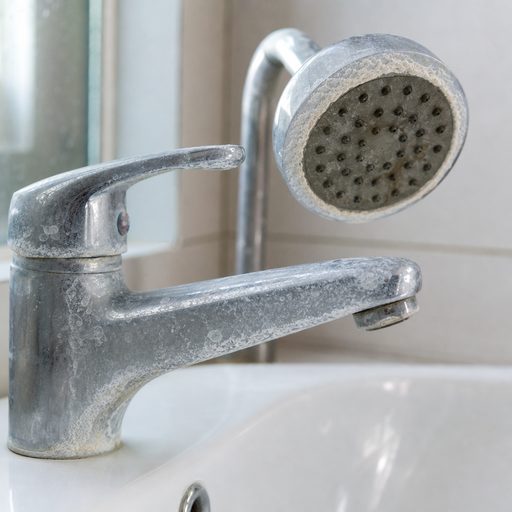
If taste or odor continues, the next step is not to assume the piping is unsafe. The issue could involve water heater conditions, stagnant dead-end lines, water quality, or other plumbing materials in the system. Hard water can also affect plumbing performance and homeowner perception of water quality over time, so it may help to review Signs of Hard Water in Your Home if you are seeing buildup or recurring fixture issues along with water quality concerns.
Are all PEX products equally safe?
Not automatically. The key question is whether the exact tubing and fittings are approved for potable water use and installed correctly. PEX-A, PEX-B, and PEX-C refer to different manufacturing methods, not a simple safe-versus-unsafe ranking for drinking water. Any of those types can be used for potable water if the specific product is properly certified and code-approved. The brand, markings, fittings, and installation method all matter.
- Look for clear potable-water certification markings on the tubing.
- Confirm the fittings and connection method are approved for drinking water.
- Check that the installation meets local code, not just manufacturer marketing.
- Ask whether the system was flushed after installation.
- Be cautious with very old, unidentified, or damaged piping materials in a home.
Sunlight exposure is another factor. PEX is not meant for prolonged UV exposure, so tubing stored improperly before installation or used where sunlight reaches it can degrade over time. That does not mean indoor PEX is inherently unsafe, but it does show why product handling and workmanship matter. A good installation includes proper routing, support, protection at penetrations, and compatible fittings rather than a mix of unknown components.
When should you ask a plumber or test the water?
If your water has a strong persistent odor, unusual taste that does not improve, discoloration, or symptoms that appear only at certain fixtures, it is worth having the system evaluated. A plumber can help determine whether the issue points to new piping, a low-use branch line, the water heater, old galvanized sections still in place, or a broader water quality problem. If health concerns are the main issue, water testing through a qualified local lab provides better answers than guessing from taste alone.
Homeowners buying an older home should also ask what piping materials are present and whether repairs were done in stages. Mixed systems can behave differently than an all-PEX installation. If a repipe is being considered, asking about potable-water certifications, local code acceptance, and expected flushing procedures is reasonable. Those details help you compare materials on facts instead of internet rumors.
Is PEX better than copper for homes with hard water?
PEX can be a good fit in hard-water areas because it does not develop the same internal corrosion issues associated with some metal piping. That said, hard water still affects fixtures, water heaters, showerheads, and valves throughout the home. The best material choice depends on local water chemistry, code rules, home layout, and whether noise, freeze resistance, or long-term repair access is a priority.
Can PEX be used for both hot and cold water lines?
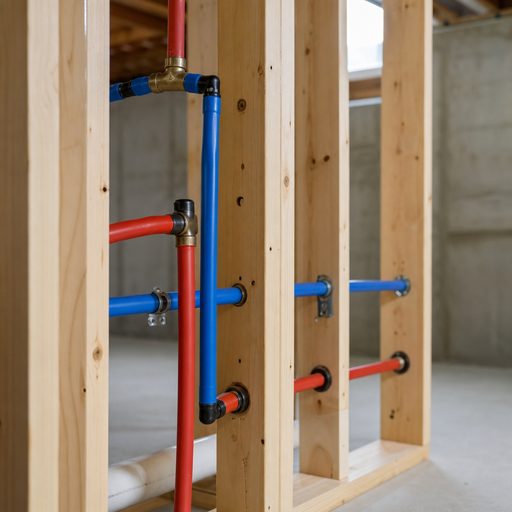
Yes, PEX is commonly used for both hot and cold interior water supply lines when the product is rated for that use. Installers still need to follow temperature and pressure ratings, support requirements, and spacing from heat sources. It is also important to use compatible fittings and protect the tubing where it passes through framing or areas that could cause abrasion.
Why does water sometimes smell worse only in the morning?
When water sits in plumbing overnight, any taste or odor from the water itself, the water heater, or plumbing materials can become more noticeable. This can happen with many plumbing systems, not just PEX. If the smell clears after running water briefly, stagnation may be part of the issue. If it persists or appears only on hot water, the water heater should also be considered.
Sources and further reading
These references support material safety, technical, consumer, or planning guidance in this article. Confirm property-specific requirements with the applicable authority and professional.
- U.S. Department of Energy - Water heating
- U.S. Department of Energy - Water-heater selection guide
- NSF - Safety of PEX plumbing products
- NSF - Faucets and plumbing products
- U.S. Geological Survey - Hardness of water
- U.S. Geological Survey - Water corrosivity
- Federal Trade Commission - Avoiding home-improvement scams