 Plumbing Advisors Editorial TeamEditorial StandardsUpdated May 12, 2026Source-Checked
Choosing a new toilet sounds simple until you stand in front of the options and realize there are more choices than you expected. Bowl height, bowl shape, one piece versus two, and how much water each flush uses all vary from model to model, and the right answer depends on who uses the bathroom and how the space is laid out. The good news is that none of these choices are complicated once you know what they mean. Sorting them out ahead of time helps you pick a toilet that fits your household and your bathroom, and it lets a plumber give you a precise quote instead of a wide guess.
Height and Bowl Shape
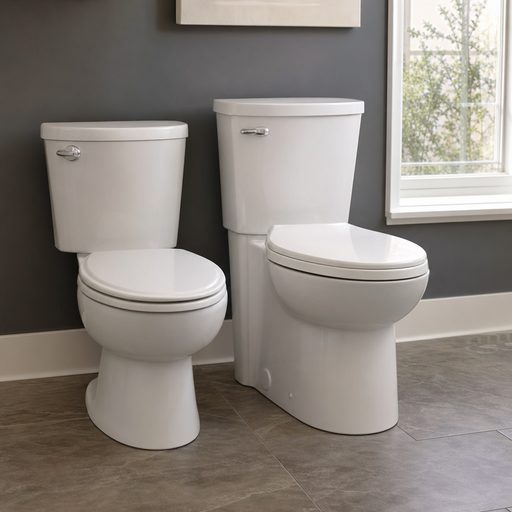
Two of the first things to decide are how tall the toilet sits and the shape of the bowl, because both affect comfort every day. Standard-height toilets place the seat lower to the floor, which many people find natural and which can suit homes with young children. Comfort-height models, sometimes called chair height, sit taller and are easier to get on and off of, which is why they are popular with taller adults and anyone with mobility concerns. Bowl shape is the other choice: a round bowl takes up less room and fits tight bathrooms, while an elongated bowl is a little longer and is often considered more comfortable. There is no single best answer, only the one that fits the people using it and the space available.
One-Piece Versus Two-Piece
Toilets generally come in two constructions, and the difference is mostly about cleaning, weight, and price. A two-piece toilet has a separate tank that bolts onto the bowl, which is the most common design, tends to cost less, and is lighter to handle during installation. A one-piece toilet molds the tank and bowl into a single unit with no seam between them, which makes it easier to wipe down and gives a sleeker look, though it is usually heavier and a bit more expensive. Both work well, so the choice often comes down to budget, how much you value easy cleaning, and the style you prefer.
Flush Efficiency and WaterSense
How much water a toilet uses per flush matters for both your water bill and the environment, and modern toilets use far less than older ones. Look for the gallons-per-flush figure on the box, and consider models that carry the WaterSense label, an EPA program that certifies fixtures meeting strict efficiency and performance standards. A common misconception is that a low-flow toilet flushes weakly, but today's efficient designs are built to clear the bowl reliably while using less water, unlike some early first-generation low-flow models. Some toilets also offer a dual-flush option, with a lighter flush for liquid waste and a fuller one for solids, which can save even more water over time.
Check the rough-in measurement before you buy
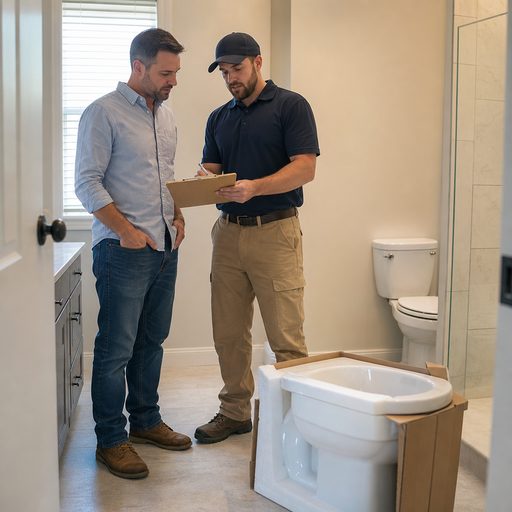
The rough-in is the distance from the wall behind the toilet to the center of the floor drain or closet bolts, most often around twelve inches but sometimes ten or fourteen. Measuring it before you buy keeps you from bringing home a toilet that will not fit the existing plumbing. If you are unsure, a plumber can confirm the measurement and recommend a fixture that matches your space.
When to Call a Professional
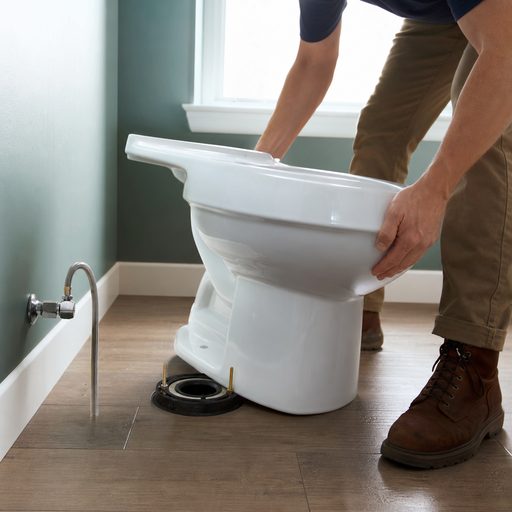
Even the right toilet only performs as well as its installation, which is where a professional makes the difference. Toilet replacement service can help you match a fixture to your bathroom's rough-in and your household's needs, then set it level, sealed, and solid so it does not rock or leak. If you are replacing a toilet because the old one keeps giving you trouble, toilet repair service can confirm whether a fix would have held before you commit to a new fixture. To know what the install itself involves once you have chosen a model, see our guide on what to expect during a toilet installation, and to plan the budget, our guide on how much toilet replacement costs explains what moves the final price.
Sources and further reading
These references support material safety, technical, consumer, or planning guidance in this article. Confirm property-specific requirements with the applicable authority and professional.