 Plumbing Advisors Editorial TeamEditorial StandardsReviewed July 19, 2026Source-Checked
The short answer
What this problem usually points to
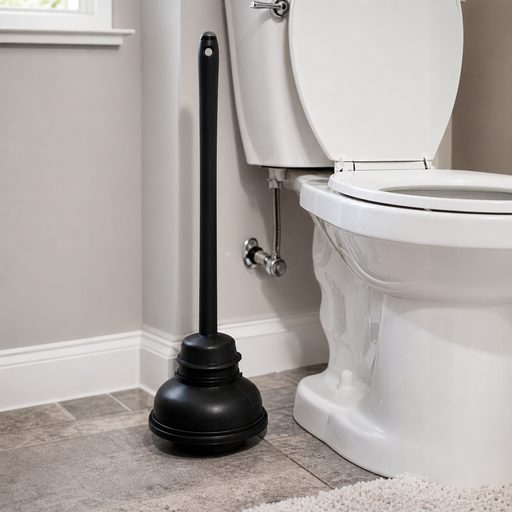
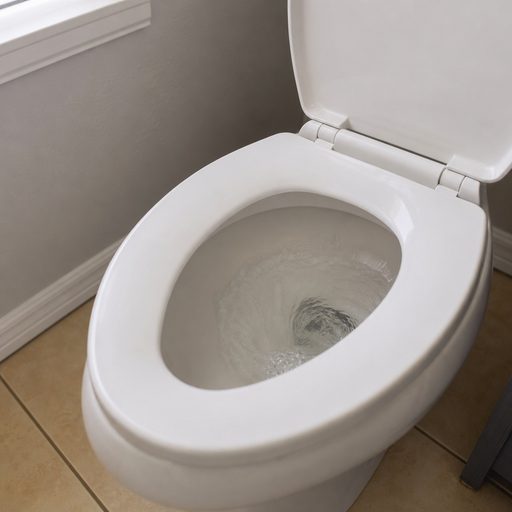
A repeatedly clogged toilet can have an object in the trap, weak flushing, excess paper, a drain restriction, or a developing main-line problem. A one-time soft blockage may respond to a flange plunger, but recurring clogs deserve Toilet Repair or drain inspection.
Schedule plumbing service soon
The problem may become more disruptive or damaging if it continues, so arrange an inspection instead of repeatedly working around it.
What the visible pattern can mean
These are routing clues, not a confirmed diagnosis. The safe next step changes with where the water appears, which fixtures are affected, and whether the problem is active.
| What you notice | What it may mean | Safe next step |
|---|---|---|
| Only this toilet clogs | The toilet trap, flush performance, or nearby branch may be restricted | Use a flange plunger once if the bowl is not already near overflowing |
| The toilet clogs after normal paper use | Flush volume or the internal trapway may be limited | Stop repeated flushing and note whether the tank fills fully |
| Nearby drains gurgle or back up too | The blockage may be in a shared drain or main sewer | Limit water use and request drain or sewer service |
Safe checks and important limits
Safe checks you can make
- Wait for the bowl level to drop before attempting one careful plunge.
- Confirm the tank reaches its normal fill level.
- Ask whether wipes, hygiene products, toys, or other objects may have entered the toilet.
Stop before these steps
- Do not keep flushing a rising bowl.
- Do not use chemical drain cleaner in a toilet.
When to call a plumber
- Call when the clog returns, an object may be lodged, or the toilet has weak flush performance.
- Request drain service when other fixtures gurgle or back up.
Recommended services
Where to start
Start with the first service below. A plumber can confirm whether a related service is needed after inspecting the problem.
Questions homeowners ask
Frequently asked questions
Is the toilet keeps clogging an emergency?
Schedule plumbing service soon. The problem may become more disruptive or damaging if it continues, so arrange an inspection instead of repeatedly working around it.
What can I check safely before a plumber arrives?
Wait for the bowl level to drop before attempting one careful plunge. Confirm the tank reaches its normal fill level. Stop if the situation changes or the check would require opening a wall, drain, appliance, or powered component.
Which plumbing service should I request?
Toilet Repair is the best starting point for this visible symptom. A plumbing professional still needs to inspect the system before confirming the cause or repair.
What should I tell the plumber?
Share when the problem started, whether it is constant or intermittent, which fixtures are affected, and any water, odor, noise, temperature change, or recent plumbing work you noticed.
Sources and further reading
These references support the safety and system guidance used to route this observable plumbing problem. They do not diagnose a specific property.