
Plumbing Service
Garbage Disposal Installation
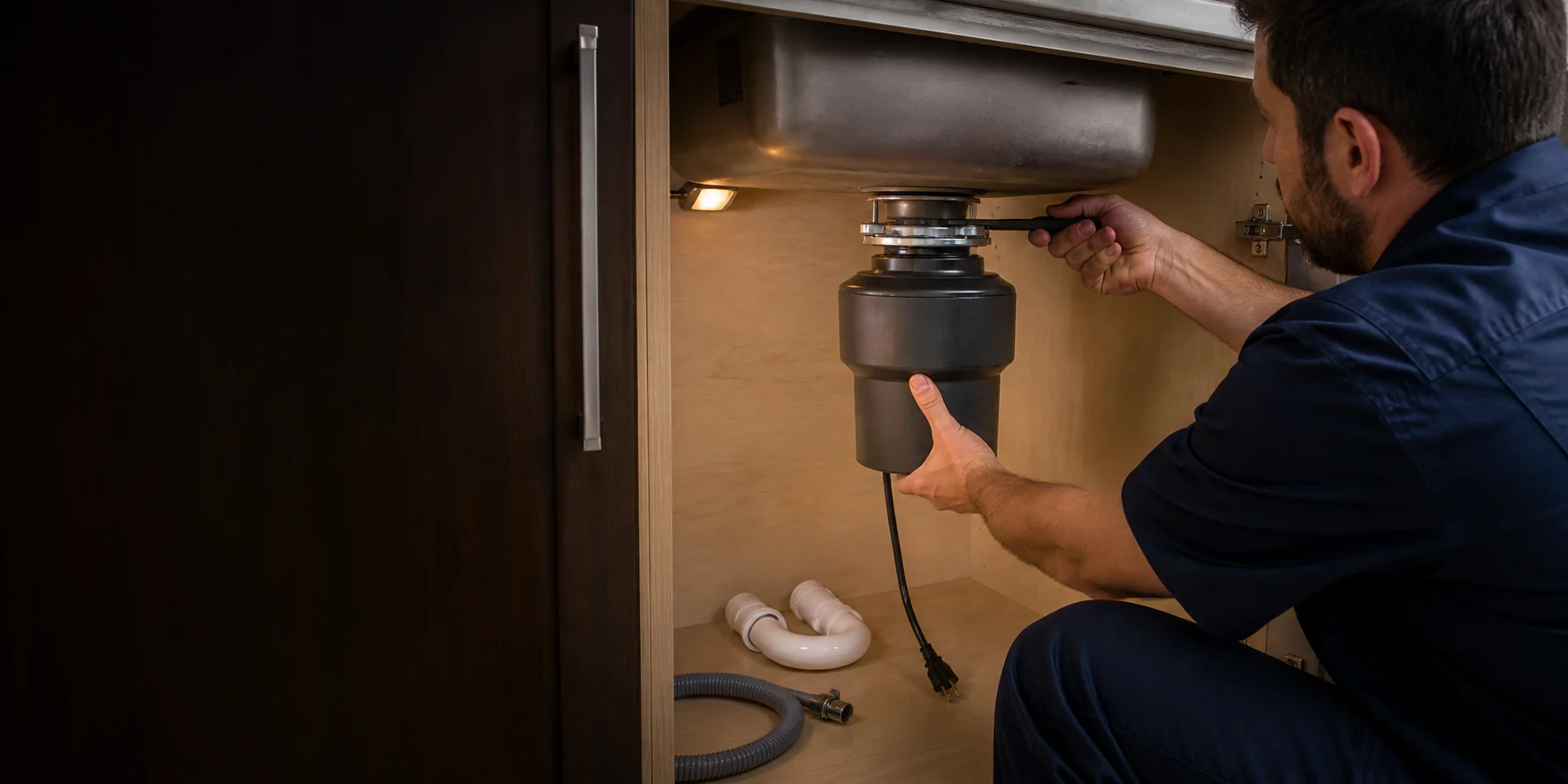
Putting in a new garbage disposal means matching the right unit to your kitchen and connecting it safely to the drain, dishwasher, and power. Plumbing Advisors helps you choose well and connect with disposal installation help.
Plumbing Advisors provides guidance and connection assistance. Independent providers perform the plumbing work and confirm availability, pricing, timing, and credentials.
On this pageOverview
 Plumbing Advisors Editorial TeamEditorial StandardsSource-Checked
Quick summary
- For adding a first disposal or replacing an old one
- Horsepower and feed type should match how you cook
- A dishwasher and the right power supply factor in
- Call to describe your kitchen and get connected
About garbage disposal installation
Garbage disposal installation covers choosing the right unit for your kitchen and connecting it under the sink so it grinds food scraps and clears them down the drain. The job comes up when you are adding a disposal to a sink that never had one, replacing an old unit that has finally failed, or fitting a sink during a remodel. The unit mounts to the sink flange, ties into the drain trap, often connects to a dishwasher, and runs on a grounded power supply controlled by a switch.
Choosing well matters as much as the install itself. The two big decisions are how much horsepower you need and whether you want a continuous-feed or batch-feed unit, with the dishwasher hookup and power supply close behind. Safety is non-negotiable here because a disposal mixes spinning blades, water, and electricity. Always cut power at the switch and breaker before any work, and never reach into a disposal. Any electrical work, such as adding an outlet where there isn't one, belongs to a qualified electrician or pro. Plumbing Advisors is a national service that helps you weigh these choices and connects you with plumbing professionals who work in your area.
When to install a new garbage disposal
Your sink has no disposal
If you have been scraping plates into the trash, adding a disposal makes cleanup easier. The main thing to confirm is whether there is already a switched, grounded outlet under the sink, since adding one is electrical work for a pro.
The old unit has failed
A disposal that leaks from the body, has a burned-out motor, or jams and stalls again and again is usually past repair. Since units are affordable to swap, replacing it often makes more sense than chasing problems.
You are remodeling the kitchen
New countertops or a new sink are the natural time to put in a disposal, because the connections are already open. Matching the unit to a new sink's drain opening avoids surprises later.
You cook more than the unit can handle
A small disposal in a busy kitchen jams often and grinds poorly. Stepping up to more horsepower handles tougher scraps and runs more smoothly day to day.
You want a quieter unit
Older and budget disposals can be loud. Newer stainless-steel models with sound insulation run noticeably quieter, which is a common reason people upgrade even when the old unit still works.
You are adding a dishwasher
Many dishwashers drain through the disposal. If you are installing or moving a dishwasher, it is a good moment to set up the disposal so the drain hose connects cleanly to the unit's inlet.
What to know
When you need it
- Your sink has no disposal and you want to add one
- An old unit leaks, jams, or has finally quit
- You are remodeling or replacing the kitchen sink
- You want a quieter or more powerful unit
Common causes
- An aging disposal at the end of its life
- A unit too small for how much you cook
- A new sink or countertop that needs a fresh hookup
- Wanting a dishwasher connected to the disposal
- Upgrading to a quieter, stainless-steel model
What to check first
- Cut power to the unit at the switch and breaker first
- Measure the space under your sink for the new unit
- Note whether a dishwasher will drain through it
- Check whether a grounded outlet is already present
When to call a pro
- There is no outlet or wiring for the disposal yet
- The job needs new electrical work or an outlet added
- You are also changing the sink, drain, or dishwasher line
- You want the unit sized and installed correctly the first time
Choosing the right disposal
Before anyone mounts a unit, two choices shape the rest: how much horsepower you need and whether you want continuous or batch feed. Here is how they compare.
Continuous feed
This is the most common style. You flip a wall switch and scrape food in while it runs. It is convenient for everyday cooking and works with the widest range of units. The trade-off is that it can run with the opening exposed, so you have to be careful never to reach in while it is on.
Batch feed
A batch-feed unit only runs once you seat a special stopper in the opening, so it cannot turn on while the drain is exposed. Many people choose it for that built-in safety, especially in homes with children. It usually costs more and is a little less convenient for big jobs.
Sizing the horsepower
Light use in a small household is fine with 1/3 to 1/2 HP, most families do well with 3/4 HP, and heavy cooking calls for 1 HP or more. Higher horsepower grinds tougher waste, clears faster, and tends to jam less, which is why many installers steer people toward at least 3/4 HP.
What a typical garbage disposal installation visit includes
- Confirming the power is off at the switch and breaker before any work
- Helping size the horsepower and feed type to your kitchen
- Removing the old disposal and mounting hardware if you are replacing one
- Mounting the new unit to the sink flange and sealing it
- Connecting the drain trap and, when present, the dishwasher drain line
- Verifying a proper grounded power connection (electrical work by a qualified pro)
- Testing operation and checking every connection for leaks
What garbage disposal installation costs
A garbage disposal installation quote should be based on the inspected scope, access, parts or equipment, permits, restoration, and urgency. Compare written quotes that describe the same work.
Typical garbage disposal installation costs
| Additional work | Typical cost range |
|---|---|
| Adding an outlet or wiring | $165–$600 |
| Dishwasher drain connection | $45–$170 |
Additional per-item costs
| Additional item | Typical cost range |
|---|---|
| Disposal, 1 HP and up (unit only) | $205–$520 per unit |
| Batch-feed unit (unit only) | $165–$410 per unit |
Cost ranges are estimates developed from standardized project scopes and reviewed pricing inputs. Government labor and regional cost data are used where applicable. See our Pricing Methodology for the exact sources, calculations, and review date. Actual prices vary by property, scope, materials or equipment, location, and provider.
What affects the cost
- Whether it is a straight swap or a first-time install
- The disposal's horsepower and build quality (aluminum vs. stainless steel)
- Continuous-feed versus batch-feed unit
- Whether an outlet or new wiring is needed, which a qualified pro handles
- Connecting or rerouting a dishwasher drain line
- Accessibility under the sink and condition of the existing plumbing
Typical service process
- 1Pick the horsepower and feed type for your kitchen
- 2Confirm the power supply and dishwasher connection plan
- 3Connect with a plumbing professional that services your area
- 4Have the old unit removed if you are replacing one
- 5Mount the new disposal and connect the drain and dishwasher
- 6Test operation and check every connection for leaks
How to choose the right pro
- Confirm the professional is licensed and insured where your state requires it
- Ask for a written estimate before work begins
- Have the unit cost itemized separately from labor
- Ask which horsepower and feed type they recommend and why
- Confirm who handles any electrical work if an outlet is needed
- Check that the unit and the installation carry a warranty
How Plumbing Advisors helps
Plumbing Advisors helps you choose the right horsepower and feed type, sort out the dishwasher and power connections, and connect with plumbing professionals that service your area. Any electrical work, such as adding an outlet, should be left to a qualified pro rather than handled yourself. Availability and pricing vary by location and provider.
Frequently asked questions
How much horsepower do I need in a disposal?
It depends on how much you cook. A 1/3 to 1/2 HP unit suits light use in a small household, 3/4 HP handles most families well, and 1 HP or more is better for heavy cooking or a busy kitchen. More horsepower also tends to run smoother and jam less.
What is the difference between continuous and batch feed?
A continuous-feed disposal runs from a wall switch while you scrape food in, which is the most common style. A batch-feed unit only runs once you fit a special stopper in place, which some people prefer for safety since it cannot run while the opening is exposed.
Can I connect my dishwasher to a new disposal?
Yes. Most disposals have an inlet for a dishwasher drain hose. If a dishwasher will drain through the unit, the installer needs to knock out the plug inside the inlet first, which is a common step that is easy to miss.
Do I need an electrician to install a disposal?
If a grounded outlet and switch are already under your sink, a plumber can usually handle the swap. But if new wiring or an outlet has to be added, that electrical work should be done by a qualified electrician or pro. Never wire it yourself, and always cut power first.
Sources and further reading
These references support the safety and technical guidance on this page.
Garbage Disposal Installation guides
Learn before your garbage disposal installation.
Free guides on cost, common problems, repairs, and what to expect — written to help you make the call with confidence.
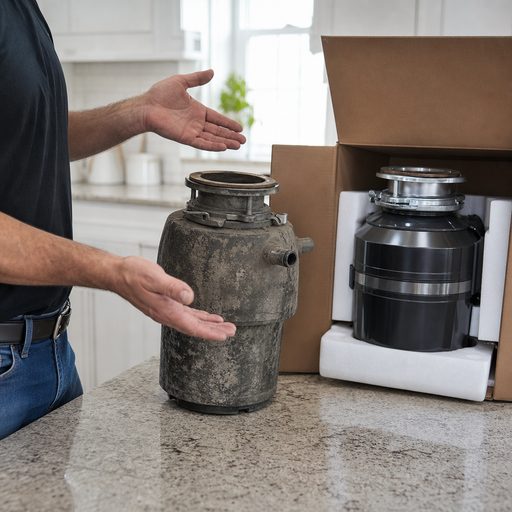
Should You Repair or Replace Your Garbage Disposal?
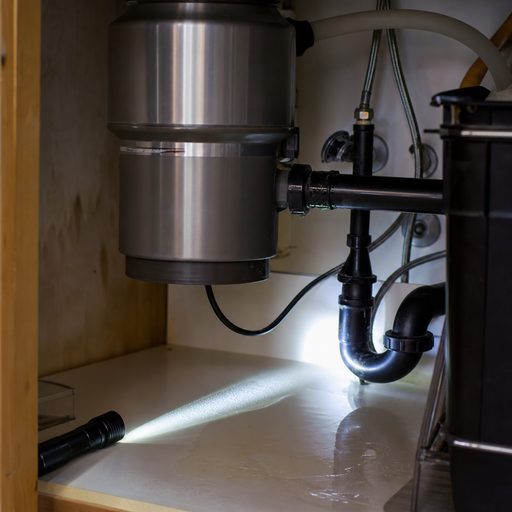
Why Is My Garbage Disposal Leaking?
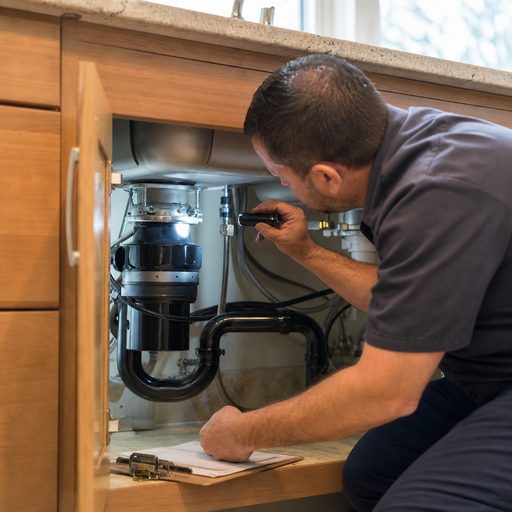
What Does Garbage Disposal Repair or Replacement Cost?
How Often Should Your Home's Plumbing Be Inspected?
What Does a Sewer Ejector Pump Do (and When Do You Need One)?
What Is Polybutylene Pipe and Should You Replace It?
Is PEX Safe for Drinking Water?
How Long Does PEX Plumbing Last?
Why Is My Sump Pump Running When It's Not Raining?
Choose your area
Garbage Disposal Installation near you
Find garbage disposal installation in your state or city. Availability varies by location and provider.
Garbage Disposal Installation by state
AlabamaAL6 cities
ArizonaAZ8 cities
ArkansasAR5 cities
CaliforniaCA9 cities
ColoradoCO8 cities
ConnecticutCT6 cities
FloridaFL8 cities
GeorgiaGA8 cities
IllinoisIL9 cities
IndianaIN8 cities
IowaIA6 cities
KentuckyKY6 cities
LouisianaLA6 cities
MarylandMD7 cities
MassachusettsMA8 cities
MichiganMI9 cities
MinnesotaMN7 cities
MississippiMS5 cities
MissouriMO8 cities
NevadaNV6 cities
New HampshireNH5 cities
New JerseyNJ8 cities
New MexicoNM5 cities
New YorkNY10 cities
North CarolinaNC8 cities
North DakotaND5 cities
OhioOH9 cities
OklahomaOK5 cities
PennsylvaniaPA9 cities
Rhode IslandRI5 cities
South CarolinaSC6 cities
South DakotaSD5 cities
TennesseeTN7 cities
TexasTX10 cities
UtahUT6 cities
VermontVT5 cities
VirginiaVA8 cities
WashingtonWA8 cities
West VirginiaWV5 cities
WisconsinWI7 cities
Need Plumbing Help Now?
Call Plumbing Advisors to connect with help for leaks, drains, water heaters, sewer lines, burst pipes, toilets, faucets, and more.
No-obligation request · Availability varies by location and provider