 Plumbing Advisors Editorial TeamEditorial StandardsReviewed July 19, 2026Source-Checked
The short answer
What this problem usually points to
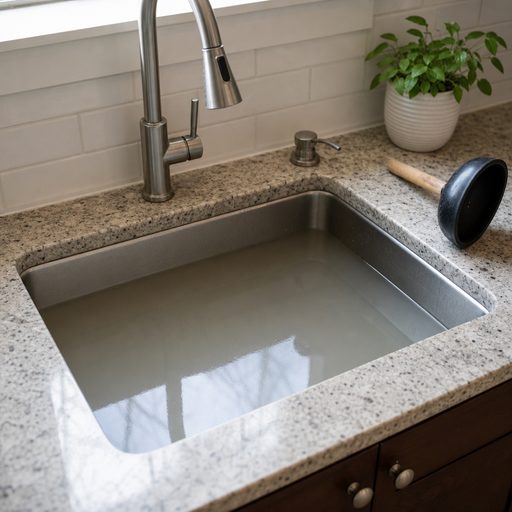
A kitchen sink that will not drain often has food, grease, soap, or disposal debris in the trap or branch drain. Stop adding water, avoid chemical drain cleaner, and arrange Clogged Drain service if a plunger-safe attempt does not restore flow.
Schedule plumbing service soon
The problem may become more disruptive or damaging if it continues, so arrange an inspection instead of repeatedly working around it.
What the visible pattern can mean
These are routing clues, not a confirmed diagnosis. The safe next step changes with where the water appears, which fixtures are affected, and whether the problem is active.
| What you notice | What it may mean | Safe next step |
|---|---|---|
| Only one kitchen basin is affected | The stoppage may be near that basket strainer or trap | Remove visible debris from the strainer without reaching into a disposal |
| Both basins back up when either drains | The shared trap or branch line may be blocked | Stop using both basins and the dishwasher |
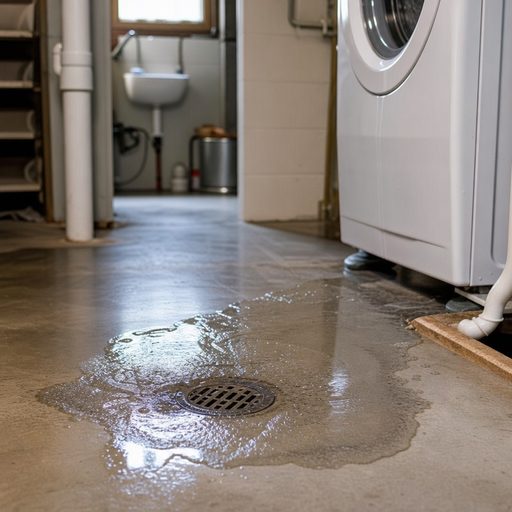
| Other drains also gurgle or back up | The problem may be farther down the branch or main line | Limit water use and request a drain or sewer evaluation |
Safe checks and important limits
Safe checks you can make
- Remove visible debris from the drain opening or basket strainer.
- If there is no disposal and the fixture is not full of chemicals, try a sink plunger.
- Check whether nearby fixtures are also slow.
Stop before these steps
- Do not mix drain-cleaning chemicals or plunge a drain containing chemicals.
- Do not put a hand or tool into a garbage disposal.
When to call a plumber
- Call when standing water remains, the clog returns, or more than one fixture is affected.
- Stop using the dishwasher when it shares the blocked sink drain.
Recommended services
Where to start
Start with the first service below. A plumber can confirm whether a related service is needed after inspecting the problem.
Questions homeowners ask
Frequently asked questions
Is the kitchen sink will not drain an emergency?
Schedule plumbing service soon. The problem may become more disruptive or damaging if it continues, so arrange an inspection instead of repeatedly working around it.
What can I check safely before a plumber arrives?
Remove visible debris from the drain opening or basket strainer. If there is no disposal and the fixture is not full of chemicals, try a sink plunger. Stop if the situation changes or the check would require opening a wall, drain, appliance, or powered component.
Which plumbing service should I request?
Clogged Drain is the best starting point for this visible symptom. A plumbing professional still needs to inspect the system before confirming the cause or repair.
What should I tell the plumber?
Share when the problem started, whether it is constant or intermittent, which fixtures are affected, and any water, odor, noise, temperature change, or recent plumbing work you noticed.
Sources and further reading
These references support the safety and system guidance used to route this observable plumbing problem. They do not diagnose a specific property.