 Plumbing Advisors Editorial TeamEditorial StandardsUpdated July 5, 2026Source-Checked
A sump pump can run even when it is not raining because groundwater is still high, snowmelt is reaching the foundation late, the float switch is stuck, the check valve is letting water fall back into the pit, the discharge line is restricted, or a plumbing leak is feeding the basin. The key is figuring out whether the pump is responding to real water or short-cycling from a mechanical problem.
Why would a sump pump run with no rain?
Rain is only one reason water collects around a foundation. In many homes, a high water table keeps groundwater moving toward the sump pit for days after a storm has ended. Snowmelt can do the same thing, especially when daytime thawing and overnight freezing slow how water moves through the soil. If your yard stays soggy, the pump may be doing exactly what it should do even under clear skies.
The pit can also fill from inside the house rather than from the soil outside. A hidden plumbing leak, a dripping water line near the foundation, or another source of unwanted water can feed the sump basin and make the pump cycle. If the pump seems to run at the same pace no matter the weather, it is worth considering Leak Detection and reading How to Find a Hidden Plumbing Leak.
How can you tell if it is groundwater or a pump problem?
Start by listening to the pump and watching the pit through a full cycle. If the water level rises naturally, the float lifts, the pump turns on, and the basin drops before shutting off, that points to real water entering the pit. If the pump clicks on and off rapidly, or runs again a minute or two after stopping, the issue may be with the float, the check valve, or water draining back into the basin.
Look outside at the discharge point too. If the pump is running but little water is coming out, the discharge line may be blocked, frozen, kinked, or improperly sloped. If water gushes out and then the pump starts again almost immediately, a failed or missing check valve may be allowing discharged water to fall back toward the pump. That kind of repeated cycling can wear the motor faster and is a common reason homeowners end up needing Sump Pump Repair.
- Groundwater issue: water enters the pit steadily and the pump clears it normally.
- Stuck float switch: the pump runs even when the pit is nearly empty or empty.
- Bad check valve: the pump shuts off, then restarts soon after as water returns to the basin.
- Discharge line problem: the pump runs longer than usual, but outside discharge is weak or absent.
- Plumbing leak: the pit keeps refilling regardless of weather, often with no soggy yard outside.
Could a stuck float switch or bad check valve be the cause?
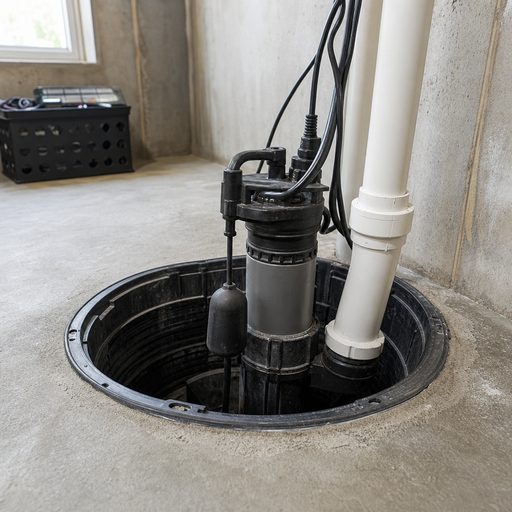
Yes. The float switch is what tells the pump when to start and stop. If the float gets hung up on the pump cord, basin wall, or debris in the pit, the pump may keep running when the water level is already low. Some systems use a vertical float, while others use a tethered float, and either style can stick if the pit is crowded or dirty.
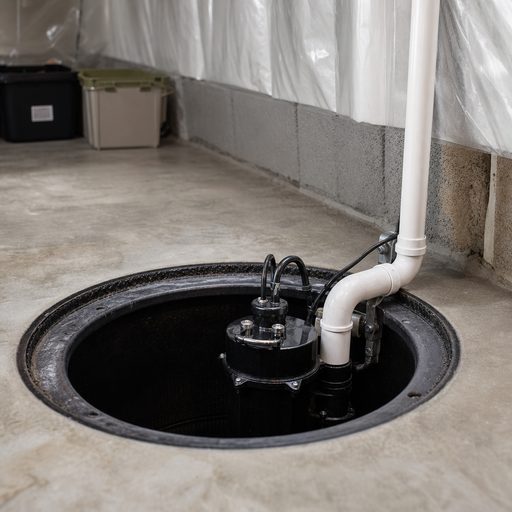
A broken check valve creates a different pattern. That valve is installed on the discharge pipe to keep pumped water from flowing backward into the pit after the motor stops. When it fails, the same water can recycle back down, making the pump run again and again. If you hear a lot of cycling right after shutoff, a check valve problem is high on the suspect list.
Frequent cycling is hard on a sump pump
A sump pump that starts every minute or two may not be dealing with new groundwater each time. Short cycling often points to a float switch, check valve, or discharge problem, and it can shorten the pump’s service life if ignored.
What discharge line issues keep the pump running?
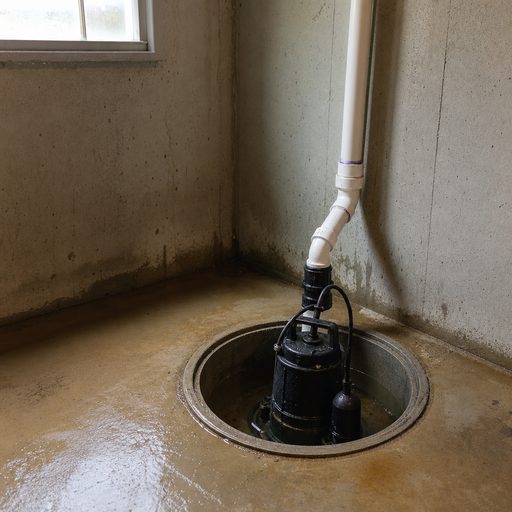
The pump can only protect the basement if water leaves the house properly. A clogged discharge line, crushed section of pipe, frozen outdoor outlet, or poor grading near the discharge point can all make the system work harder. In some homes, the line empties too close to the foundation, so the same water soaks back into the soil and returns to the sump pit later.
This is why the outside discharge point matters as much as the pump itself. If the area around the outlet is muddy, pooled, or eroded, the water may be recirculating instead of moving away from the home. If the pump has started behaving differently after a cold snap or yard work, the discharge setup deserves a close look. Related warning signs are covered in Sump Pump Failure: Signs and What to Do.
When could a plumbing leak be feeding the sump pit?
If the pump runs in dry weather for long stretches and the yard is not saturated, a plumbing leak becomes more likely. Water service lines, interior supply piping near the foundation, or other hidden leaks can introduce clean water into the surrounding soil or directly toward the pit. Sometimes homeowners first notice this as an unexplained sump pump pattern rather than as visible water damage elsewhere in the house.
Clues include a pit that refills even after long dry periods, a pump that runs at similar intervals day and night, or signs of moisture near foundation walls without obvious rain runoff. Because the source can be hidden behind walls, under slabs, or underground, professional Leak Detection is often the fastest way to confirm or rule out a plumbing issue. If that possibility sounds familiar, How to Find a Hidden Plumbing Leak is a useful next read.
When should you call for sump pump repair?
Call for help when the pump runs continuously, short-cycles, makes unusual noises, fails to lower the pit water level, or appears to be operating with an empty basin. A pro can determine whether the problem is the switch, check valve, discharge setup, basin conditions, or a larger groundwater issue around the home. Sump Pump Repair is also smart if the system is older or has already struggled during wet seasons.
If the pump itself is aging out, How Long Do Sump Pumps Last? covers replacement timing. The biggest takeaway is that a pump running without rain is not automatically a failure. Sometimes it is doing its job against delayed groundwater. But when the cycling pattern seems excessive or the pit behavior does not make sense, it is time to diagnose the cause before the pump burns out or the basement takes on water.
Is it normal for a sump pump to run days after a storm?
Yes. Groundwater often reaches the foundation later than surface runoff, so a sump pump may keep cycling after the weather has cleared. Homes with clay soil, poor drainage, or a naturally high water table may see the longest lag. What matters is whether the pump lowers the water level and then rests for reasonable periods instead of starting constantly.
How often should a sump pump cycle in dry weather?
There is no single normal schedule because soil conditions, recent weather, and the home’s drainage all affect how much water reaches the pit. In dry weather, repeated short cycles every minute or two are more concerning than occasional normal cycles. Frequent restarts usually suggest a stuck float, check valve issue, discharge problem, or another source of water entering the basin.
Can snowmelt make a sump pump run when it has not rained?
Absolutely. Snow and frozen soil can release water slowly, and that moisture may continue moving toward the foundation even on sunny days. A sump pump may respond to that delayed groundwater long after the last snowfall or thaw began. This is especially common in late winter and early spring, when surface conditions and subsurface drainage do not change at the same speed.
Should I unplug a sump pump that keeps running?
Do not leave a basement unprotected by disconnecting the pump unless a qualified technician has confirmed the cause and the area is safe from water intrusion. If the motor is running with an empty pit or acting erratically, arrange service promptly. Turning off the pump without understanding why it is running can allow water to build up and create a flooding risk.
Sources and further reading
These references support material safety, technical, consumer, or planning guidance in this article. Confirm property-specific requirements with the applicable authority and professional.
- U.S. EPA WaterSense - Home maintenance
- U.S. EPA WaterSense - Fix a Leak Week
- American Red Cross - Preventing and thawing frozen pipes
- FEMA - Urban flooding guidance for homeowners and renters
- Ready.gov - Flood safety
- National Association of Insurance Commissioners - Homeowners insurance
- National Association of Insurance Commissioners - Burst-pipe water damage