 Plumbing Advisors Editorial TeamEditorial StandardsUpdated July 5, 2026Source-Checked
When is replacing a 10-year-old water heater worth it?
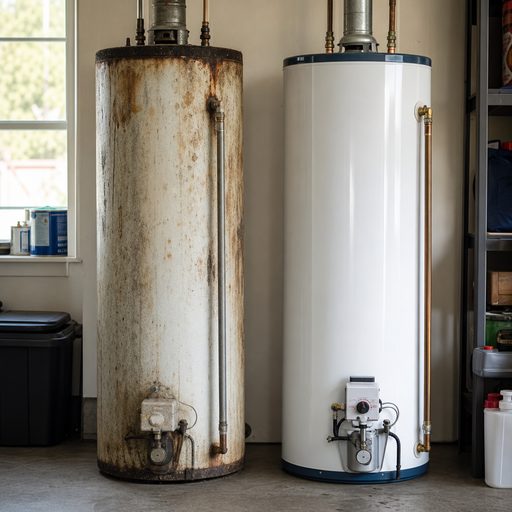
Replacement is usually worth it when the heater is showing age-related failure signs rather than a simple isolated issue. Rust-colored hot water, moisture around the base of a tank, rumbling from heavy sediment, inconsistent hot water, or repeated service calls all point toward a unit nearing the end of its practical life. Once the tank itself begins corroding, repair is not a lasting solution.
- The tank is leaking or showing corrosion at seams or around the base
- Hot water is rusty, but cold water is clear
- You have needed more than one repair in a short period
- The heater no longer meets your household’s hot water demand
- Sediment noise is persistent and performance is slipping
- A major repair is being recommended on an already aging unit
When is a 10-year-old water heater still fine to keep?
One of the best signs that an older tank still has life left is a healthy corrosion-control history. The anode rod is the sacrificial metal rod designed to corrode before the steel tank does. If it was inspected and replaced when needed, the tank may be aging well. Another reassuring sign is the absence of rust in the hot water supply. If only a minor replaceable part is failing, Water Heater Repair may still be reasonable.
Do newer water heaters offer enough efficiency to matter?
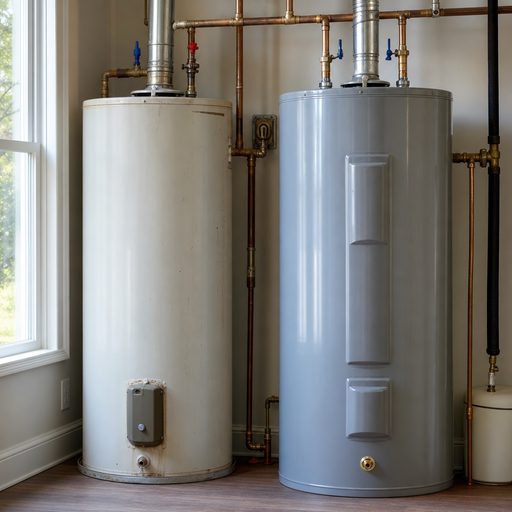
Newer water heaters can be more efficient, but whether that alone makes replacement worthwhile depends on your current unit and usage. If your existing heater is struggling with sediment buildup, heat loss, or worn components, a newer model may heat water more effectively and with less wasted energy. Better insulation, updated burners or controls, and improved heat exchanger design on tankless systems can all improve day-to-day performance.
Efficiency gains matter most when they come alongside better reliability, sizing, and hot water delivery. If your household has changed and the current heater is undersized or slow to recover, replacement may improve comfort as much as efficiency. If cost is part of your planning, look at How Much Does Water Heater Replacement Cost? for the factors that affect installation scope, venting changes, permit needs, and whether you are staying with the same type of unit.
What should you check before deciding to repair or replace?
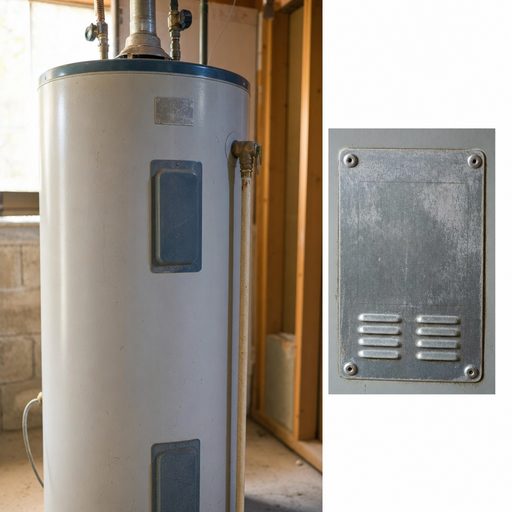
Start with the basics: the heater’s exact age, whether it is a tank or tankless model, and what part is actually failing. On a tank heater, a bad heating element, thermostat, TPR valve, drain valve, or anode rod issue is very different from tank corrosion. On a gas tank heater with a standing pilot, components like the thermocouple may be serviceable. On a tankless unit, a flame rod or scale-related performance problem may not mean full replacement.
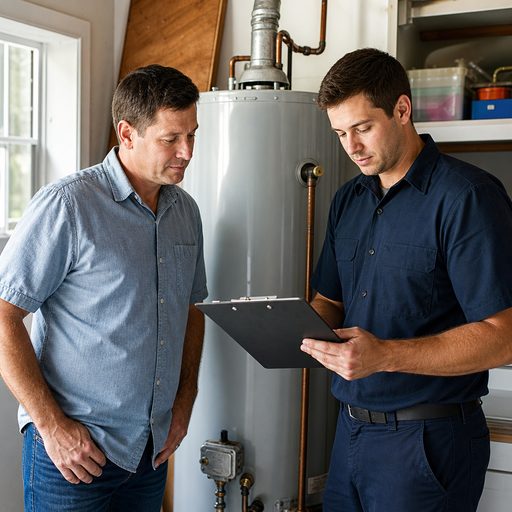
Also consider the bigger picture: water quality, maintenance history, household demand, and whether you want to avoid a sudden failure. A leaking tank can quickly become an emergency, while a controlled planned replacement is easier to schedule. If you are unsure, asking for an evaluation can help you compare the remaining life of the current unit against the likely benefit of Water Heater Replacement. The right choice is usually the one that avoids sinking money into a heater that is already declining.
How can I tell if rust in my hot water is from the heater?
If rust appears mainly in hot water and not cold, the water heater is a likely source. Corrosion inside an aging tank or a depleted anode rod can discolor hot water. If both hot and cold water are rusty, the issue may be in the home’s piping or water supply instead.
Does flushing an old water heater help, or can it make things worse?
Flushing can help reduce sediment in a heater that has been maintained over time, but on a heavily neglected older tank, disturbing built-up sediment may reveal existing weakness rather than create a new one. If the unit is already noisy, corroded, or leaking, an inspection is usually smarter than assuming maintenance will restore it.
What parts on a water heater are commonly repairable?
Repairable parts on tank water heaters can include heating elements, thermostats, the TPR valve, drain valve, and on standing-pilot gas models, the thermocouple. On tankless units, service may involve a flame rod or scale-related maintenance. The tank itself is not repairable once it begins leaking or corroding through.
Should I replace a working water heater before it fails?
Sometimes planned replacement is worth considering, especially if the heater is old and installed where a leak could damage flooring, walls, or stored belongings. Replacing on your schedule can be less disruptive than dealing with a sudden tank failure, water cleanup, and rushed decisions during a no-hot-water situation.
Sources and further reading
These references support material safety, technical, consumer, or planning guidance in this article. Confirm property-specific requirements with the applicable authority and professional.