 Plumbing Advisors Editorial TeamEditorial StandardsUpdated May 22, 2026Source-Checked
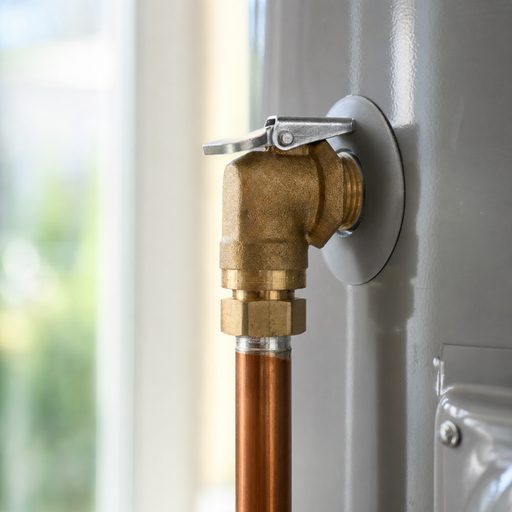
Of all the parts on a water heater, the temperature and pressure relief valve, often called the T&P valve, is one of the most important and one of the most overlooked. It is the threaded valve, usually near the top or upper side of the tank, with a short pipe running down from it. Most of the time it does nothing at all, and that is exactly how it should be. But the T&P valve is a critical safety device, and understanding what it does, why it sometimes discharges water, and why you must never block it can help you keep your water heater safe.
A Critical Safety Device
A water heater holds a tank of water under pressure, and heating that water raises both its temperature and the pressure inside the tank. The T&P valve is designed to open automatically if either the temperature or the pressure climbs too high, releasing water through the discharge pipe to bring the tank back into a safe range. This matters because a sealed tank with no way to relieve excess pressure could, in a worst case, fail violently. The valve is the safeguard that prevents that, quietly standing by to release pressure before it ever reaches a dangerous level. Because it protects against such a serious failure, the T&P valve is not an optional accessory; it is essential safety equipment.
Why It Discharges Water
- The water temperature is set too high, pushing pressure inside the tank past the valve's limit.
- Excess pressure has built up in the tank or the home's plumbing, sometimes from high incoming water pressure.
- Thermal expansion, where heated water expands in a closed system that lacks a working expansion tank, raises pressure until the valve opens.
- The valve itself is worn, aged, or has mineral buildup that keeps it from sealing properly, so it weeps or drips.
- The valve is doing its job and releasing genuinely dangerous pressure, which is a sign something needs attention rather than something to ignore.
Never cap, plug, or block the valve
If your T&P valve is dripping or discharging, never cap it, plug it, or install anything that blocks the discharge pipe to stop the water. Doing so disables the one device that keeps the tank from building up dangerous pressure and can create a serious safety hazard. A leaking or discharging valve is a signal to have the heater checked by a professional, not to silence it. Leave the valve and the discharge pipe clear at all times.
Why a Leaking or Dripping Valve Matters
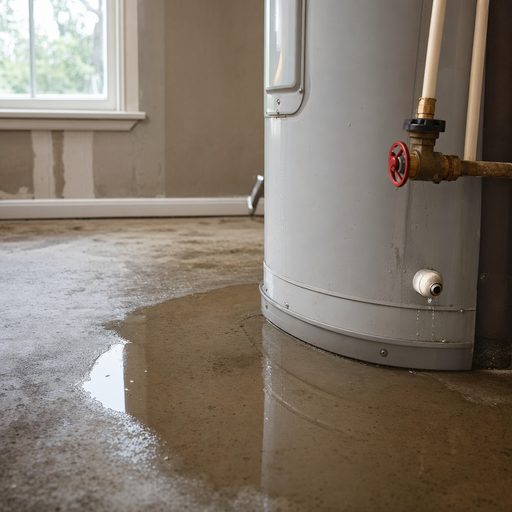
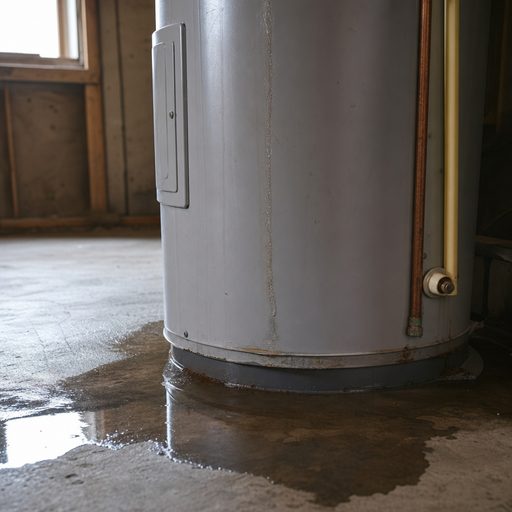
A T&P valve that drips or releases water is trying to tell you something, and it should never be ignored. In some cases the valve is correctly responding to genuinely high temperature or pressure, which means the underlying cause, such as a temperature setting that is too high or a thermal-expansion problem, needs to be addressed. In other cases the valve itself has worn out or collected mineral deposits and no longer seals, so it weeps even under normal conditions. Either way, the safe response is the same: have a professional find out why it is discharging and correct the real cause. What you should not do is assume the drip is harmless or try to stop it by blocking the valve, because that removes your protection against a far more serious failure.
When to Call a Professional
Because the T&P valve protects against a serious safety failure, anything unusual about it is worth a professional's attention. Water heater repair service can determine whether the valve is reacting to high temperature or pressure, whether a thermal-expansion issue is the root cause, or whether the valve itself needs to be replaced, and a professional can carry out that work safely. Do not attempt to replace the valve, adjust the tank, or block the discharge yourself. If water is also pooling around the unit, our guide on why your water heater is leaking can help you understand the possible sources, and because a discharging valve can become urgent, our guide on whether a leaking water heater is an emergency explains when to treat it as one and act quickly.
Sources and further reading
These references support material safety, technical, consumer, or planning guidance in this article. Confirm property-specific requirements with the applicable authority and professional.