 Plumbing Advisors Editorial TeamEditorial StandardsUpdated April 30, 2026Source-Checked
There are few things more frustrating than a shower that turns cold halfway through. When your hot water runs out faster than it used to, it usually means your water heater is no longer delivering its full capacity, and the cause can range from a simple buildup inside the tank to a worn component or a unit that has been outgrown by your household. The reassuring part is that many of these causes are identifiable and fixable, and a few of them are things you can safely check yourself. Understanding what tends to rob a water heater of its capacity will help you figure out the cause and decide when professional help is the right move.
Common Reasons Hot Water Runs Short
A storage tank holds a fixed amount of hot water, so anything that reduces its usable volume or its ability to reheat will leave you running cold sooner. The causes below are the usual suspects, and more than one can be at play at the same time, particularly in an older unit.
- Sediment buildup: Minerals settle to the bottom of the tank over time, taking up space that would otherwise hold hot water and insulating the water from the heat source, which reduces both capacity and efficiency.
- An undersized tank: If your household has grown or your habits have changed, a tank that was once adequate may simply be too small for current demand.
- A broken dip tube: The dip tube delivers incoming cold water to the bottom of the tank to be heated. If it cracks or breaks, cold water can mix in near the top and dilute the hot water you draw.
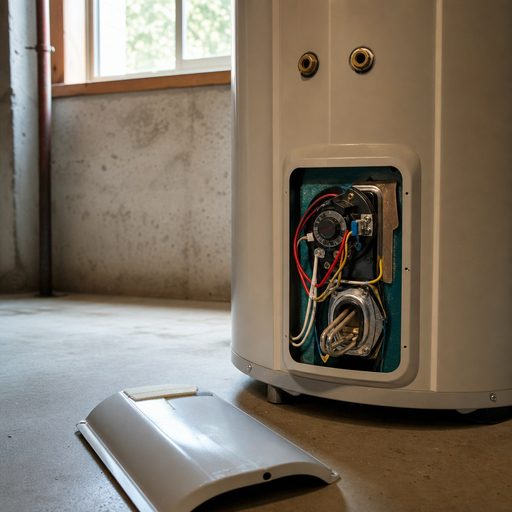
- A failing heating element or thermostat: On an electric unit, a burned-out lower element or a faulty thermostat can leave only part of the tank properly heated.
- Higher demand than usual: Several back-to-back showers, a running dishwasher, and laundry all at once can outpace any tank's recovery, even when nothing is wrong.
Sediment is a leading culprit
If hot water has been shrinking gradually over months or years, sediment buildup is often the reason. Regularly flushing the tank clears that sediment and can restore lost capacity. Our guide on how to flush your water heater covers the safe steps in detail.
Safe Checks You Can Make
Before calling for service, there are a few harmless things you can verify. Confirm the thermostat on the unit has not been bumped to a lower setting, and think about whether a recent change in your household, such as more people or a new appliance, has increased demand. Listen for popping, rumbling, or crackling sounds from the tank, which often indicate sediment buildup at the bottom. You can also notice the timing: if the hot water has tapered off gradually over a long period, sediment or an aging unit is the likely cause, whereas a sudden change points more toward a failed component like a dip tube or heating element. These observations are safe to make and will help a professional zero in on the problem quickly.
When to Call a Professional
If flushing the tank and ruling out higher demand do not restore your hot water, it is time for help. Water heater repair service can replace a failed dip tube, heating element, or thermostat and remove stubborn sediment that a routine flush cannot clear. If the real issue is that your tank is simply too small for your household, or the unit is old and struggling, water heater installation can provide a properly sized and efficient replacement, and a professional can recommend the right capacity for your needs. If your heater is producing no hot water at all rather than running out quickly, our guide on why your water heater is not getting hot can help you narrow down the cause, and if you are weighing a different type of unit altogether, our comparison of tankless and tank water heaters is a useful next read.
Sources and further reading
These references support material safety, technical, consumer, or planning guidance in this article. Confirm property-specific requirements with the applicable authority and professional.