
Water Heater Repair
Water Heater Repair in New Hampshire
Water Heater Repair across New Hampshire begins with the same useful question: Identify the hot-water symptom and determine whether the existing unit has a repairable component. State context can guide credential and permit checks, but it cannot diagnose a specific property.
Plumbing Advisors provides guidance and connection assistance. Independent providers perform the plumbing work and confirm availability, pricing, timing, and credentials.
On this pageOverview
 Plumbing Advisors Editorial TeamEditorial StandardsSource-Checked
Water Heater Repair across New Hampshire
Water Heater Repair across New Hampshire begins with the same useful question: Identify the hot-water symptom and determine whether the existing unit has a repairable component. State context can guide credential and permit checks, but it cannot diagnose a specific property.
Gas, combustion, pressurized-tank, and energized electrical work belongs with a qualified professional.
When water heater repair may fit
- You have no hot water or it runs out quickly
- The water heater is leaking
- The pilot or ignition will not stay lit
- Hot water is rusty, smelly, or inconsistent
Causes or scope drivers to inspect
- A failed heating element or thermostat
- Pilot, igniter, or thermocouple problems
- Sediment buildup in the tank
- A failing or leaking tank nearing end of life
- Tripped breakers or gas supply issues
Comparing a water heater repair quote
For water heater repair in New Hampshire, compare itemized quotes for the same inspected scope. Access, testing, equipment or parts, permits, restoration, and urgency can affect the final price.
Typical water heater repair costs
| Project | Typical cost range |
|---|---|
| Thermostat replacement | $150–$370 |
| Heating element replacement | $195–$480 |
| T&P (pressure relief) valve replacement | $165–$450 |
| Gas control valve replacement | $320–$870 |
| Tank flush (sediment) | $115–$320 |
Service-call fees
| Service | Typical cost range |
|---|---|
| Diagnostic / service call | $80–$215 per visit |
| Typical repair visit | $185–$770 per visit |
Cost ranges are estimates developed from standardized project scopes and reviewed pricing inputs. Government labor and regional cost data are used where applicable. See our Pricing Methodology for the exact sources, calculations, and review date. Actual prices vary by property, scope, materials or equipment, location, and provider.
What affects the cost
- Which component failed and how easy it is to reach
- Whether the unit is a tank or a tankless model
- The age and overall condition of the unit
- Whether sediment, corrosion, or a failing tank is involved
- Parts availability for the specific make and model
- After-hours or emergency timing for an urgent leak
- Local labor rates in your area
State guidance for New Hampshire
For water heater repair in New Hampshire, prepare equipment label, fuel or power type, shutoff access, drain access, and installation location. Confirm the inspected scope, credentials, permits, inspections, exclusions, and restoration responsibility before authorizing work.
Credential verification
Plumbing in New Hampshire is regulated by the Mechanical Safety and Licensing Board within the Office of Professional Licensure and Certification (OPLC). For most plumbing work you should hire a state-licensed plumber, and you can confirm a license through OPLC before hiring.
The board issues Apprentice, Journeyman, and Master plumber licenses, with apprentices working under the supervision of a licensed master while completing required training and experience. It is reasonable to ask which license your plumber holds and to verify it with OPLC before work begins.
Permits and inspections
Permit and inspection requirements in New Hampshire are administered locally and vary by city and town. Many municipalities require a permit and inspection for plumbing work beyond minor fixture repairs, and the local building or code enforcement office is typically the authority that issues permits and signs off on the work. Always check with your town first.
Relevant water context
Because nearly half of New Hampshire relies on private wells — most drilled into granite bedrock — water quality is highly local and unregulated, so testing is the homeowner's responsibility. NHDES reports that about half of the state's bedrock wells have radon at levels of concern and roughly 30% have arsenic above the 5 ppb public-water limit, and iron and manganese are common enough to cause staining and taste problems. These minerals and hardness can also leave scale that shortens water heater and fixture life.
What to expect
- 1Note the exact symptom and the unit type
- 2For a leak, shut off water to the unit if it is safe and accessible
- 3Connect with a plumbing professional that services your area
- 4Have the unit inspected and tested
- 5Repair components or discuss replacement if the unit is failing
- 6Confirm safe, consistent hot water before regular use
Safe checks before the visit
- Check whether the breaker or pilot has gone out
- Confirm the thermostat is set correctly
- For a leaking tank, shut off water to the unit if it is safe and accessible
- Do not attempt electrical or gas component repairs yourself
Water Heater Repair by city in New Hampshire
Related plumbing problems
Water Heater Repair in New Hampshire: FAQs
How do I prepare for water heater repair in New Hampshire?
Document whether hot water is absent, inconsistent, discolored, noisy, or leaking at the equipment and prepare equipment label, fuel or power type, shutoff access, drain access, and installation location. Ask the professional to confirm the inspected scope, credential, permit responsibility, and exclusions in writing.
Does New Hampshire guidance diagnose my water heater repair problem?
No. State information helps with credential, permit, and planning questions. The cause, responsibility, and repair or project scope still need to be confirmed for the specific property.
How long should a water heater last?
Many tank water heaters last roughly 8 to 12 years, though this varies with water quality, maintenance, and usage. Hard water and sediment can shorten that lifespan, so regular flushing helps.
Why is my water heater leaking?
Leaks can come from connections, the temperature-pressure relief valve, or the tank itself. A leaking tank usually means the unit is failing and should be checked promptly, since it can become urgent.
Is no hot water always the water heater?
Not always. It can be a tripped breaker, a pilot that went out, a thermostat issue, or a failed component. Start with the simple checks, and if hot water does not return, have it inspected.
Is a leaking water heater an emergency?
It can be. A significant or worsening leak can cause water damage, so shut off water to the unit if it is safe and accessible and call for help.
Sources
These public and primary references support the state, safety, credential, permit, equipment, or efficiency guidance used here. They do not diagnose a specific property.
- U.S. Department of Energy - Home energy checklist
- U.S. Department of Energy - Water heating
- CDC - Returning home after a natural disaster
- NH OPLC — Mechanical Safety and Licensing Board (plumber licensing)
- NH OPLC — Mechanical Safety and Licensing education & certification requirements
- NH Department of Environmental Services — Private Wells (testing, arsenic, radon)
- USGS — Radon and uranium in New Hampshire's groundwater
Water Heater Repair guides
Learn before planning water heater repair in New Hampshire.
Read related problem, scope, cost, and planning guidance before comparing options.
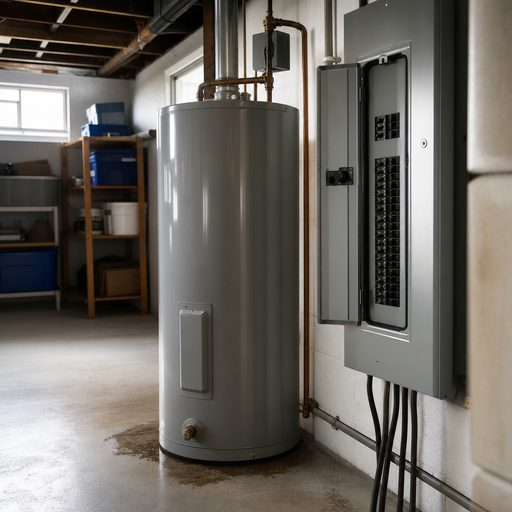
Why Is My Water Heater Tripping the Breaker?
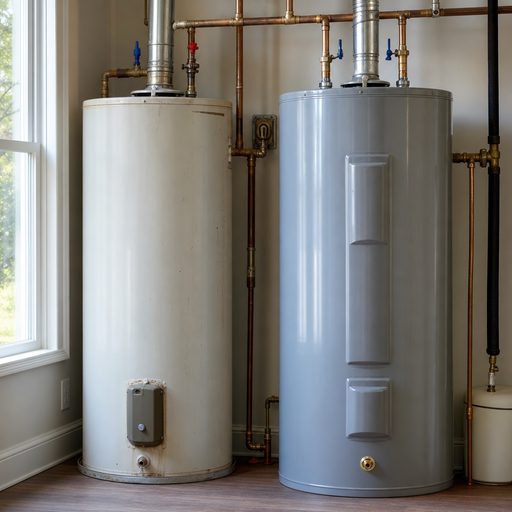
Is It Worth Replacing a 10-Year-Old Water Heater?
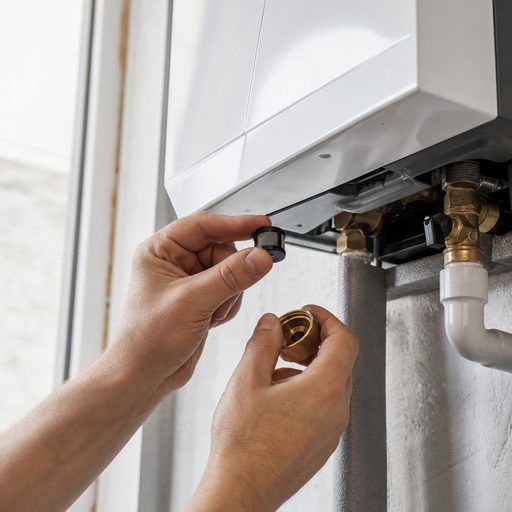
Tankless Water Heater Maintenance and Descaling
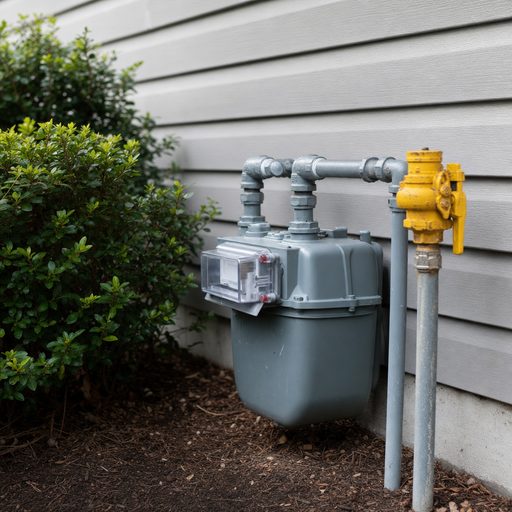
What to Do If You Smell Gas
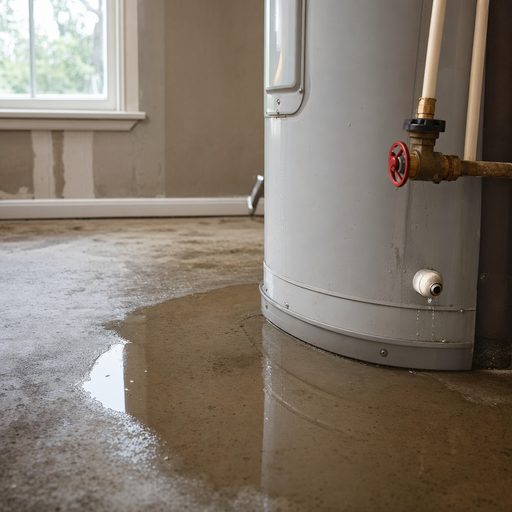
Is a Leaking Water Heater an Emergency?
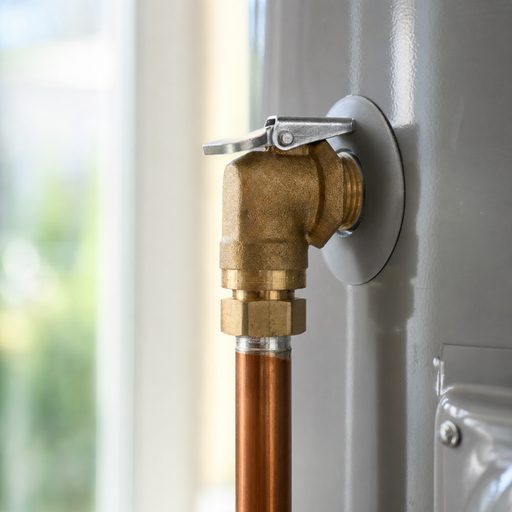
What Does a Water Heater Pressure Relief Valve Do?
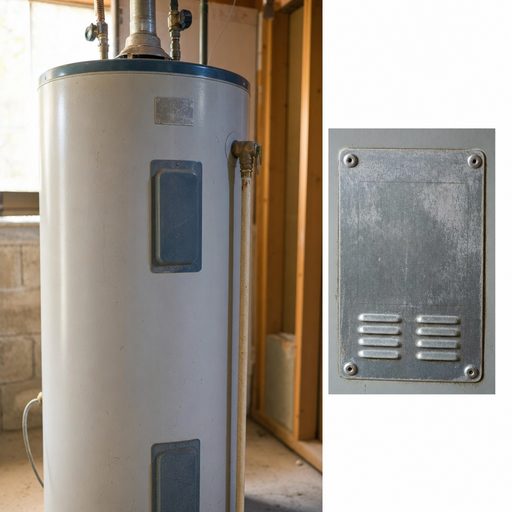
How Long Do Water Heaters Last?
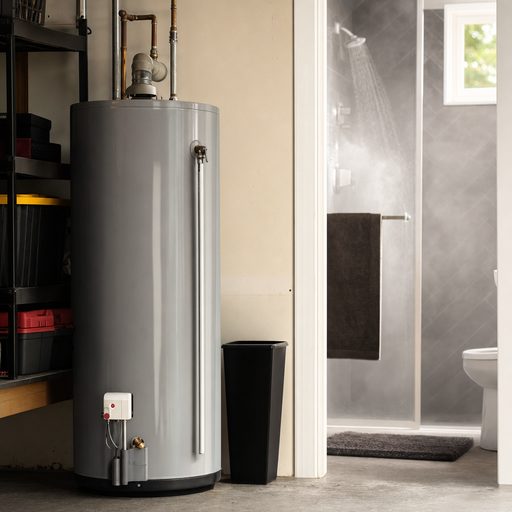
Why Your Hot Water Runs Out Quickly
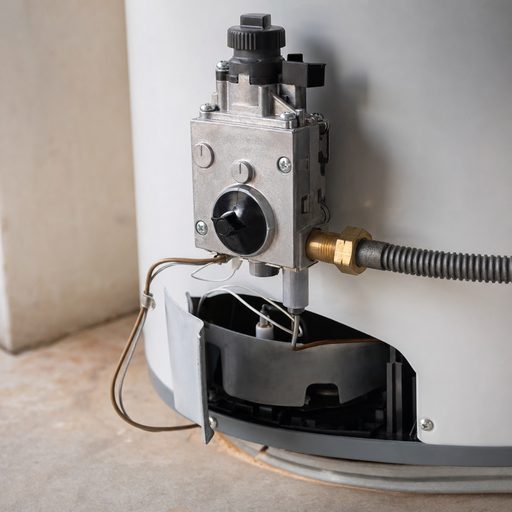
Why Does My Water Heater Pilot Light Keep Going Out?
Need Plumbing Help Now?
Call Plumbing Advisors to connect with help for leaks, drains, water heaters, sewer lines, burst pipes, toilets, faucets, and more.
No-obligation request · Availability varies by location and provider