 Plumbing Advisors Editorial TeamEditorial StandardsUpdated June 9, 2026Source-Checked
Typical Lifespans by Type
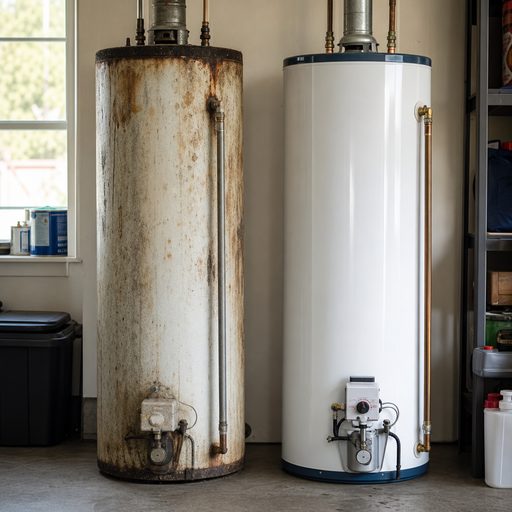
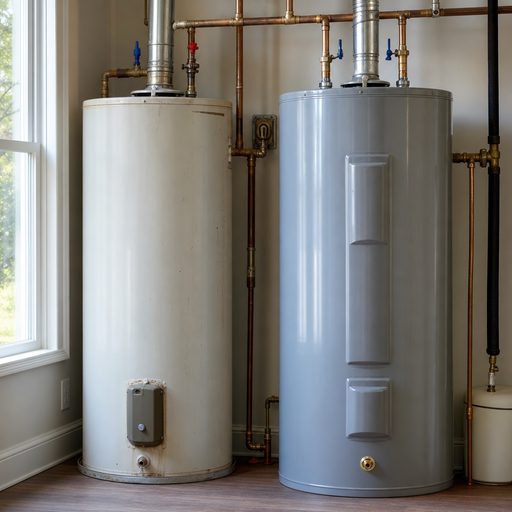
A conventional tank water heater typically lasts about 8 to 12 years. Inside that tank, water sits in constant contact with metal, and over time corrosion and sediment slowly wear the unit down, which is why tanks have a fairly predictable service life. Tankless water heaters, which heat water on demand rather than storing it, generally last considerably longer when they are properly maintained, because they avoid the constant strain of holding a tank of hot water around the clock. These are general ranges rather than guarantees. A well-cared-for unit in a home with gentle water may comfortably reach the upper end or beyond, while a neglected one in harsh conditions can fail years earlier than expected.
What Shortens a Water Heater's Life
- Sediment buildup, where minerals and debris settle in the bottom of the tank, make the unit work harder and accelerate wear.
- Hard water, which is rich in minerals, leaves deposits faster and is tough on both tanks and components.
- High or unregulated water pressure, which puts extra stress on the tank and its connections over time.
- A neglected anode rod, the sacrificial part that protects the tank from rust, which leaves the tank exposed once it is used up.
- Skipped maintenance in general, so small problems go unnoticed until they shorten the life of the whole unit.
How to Extend the Life of Your Heater
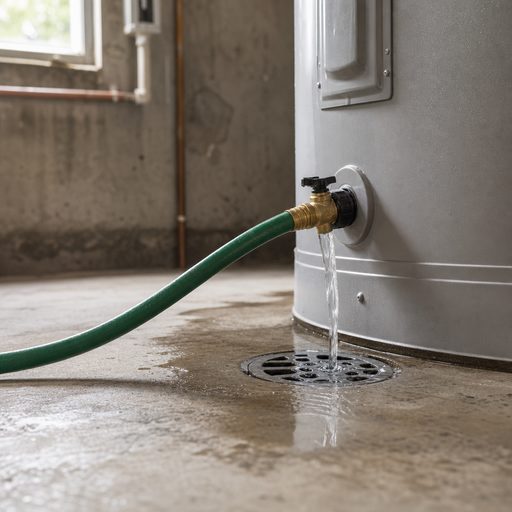
The good news is that several of the factors that shorten a heater's life are within your control. Flushing the tank periodically clears out the sediment that makes the unit run hot and work harder, which is one of the most effective things you can do, especially in a home with hard water. Having the anode rod checked and replaced when it is worn helps protect the tank from rust for longer. Keeping your home's water pressure within a normal range reduces the constant stress on the tank and its fittings. And if your water is hard, addressing it at the source slows the mineral buildup that ages the unit prematurely. None of this makes a heater last forever, but steady upkeep can help you reach the upper end of its expected range rather than the lower one.
Sources and further reading
These references support material safety, technical, consumer, or planning guidance in this article. Confirm property-specific requirements with the applicable authority and professional.