 Plumbing Advisors Editorial TeamEditorial StandardsUpdated May 26, 2026Source-Checked
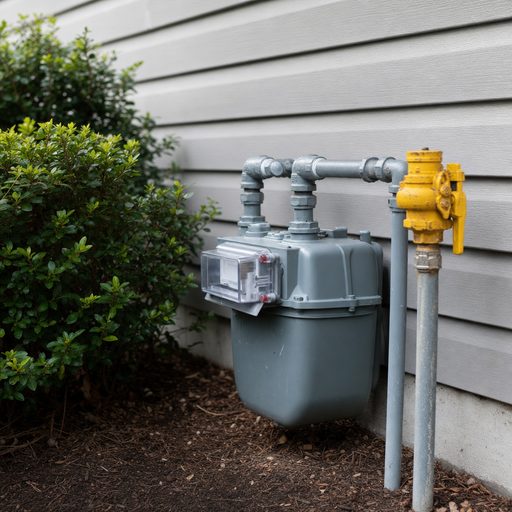
Natural gas and propane are odorless on their own, so utilities add a strong rotten-egg or sulfur smell to make leaks easier to notice. If you ever catch that smell in your home, treat it as a serious emergency and act immediately, because gas can build up and become a fire or explosion hazard. This is not a situation to investigate, troubleshoot, or fix yourself. The safest and only correct response is to get everyone out of the home and let trained professionals handle it. Knowing the right steps in advance helps you act quickly and calmly if it ever happens.
Leave immediately and call from a safe distance
If you smell gas, get everyone out of the house right away, including pets. Do not flip light switches, unplug anything, use the phone, or operate any appliance inside, since a single spark can ignite the gas. Do not light matches or use anything with a flame. Once you are safely outside and well away from the home, call your gas utility's emergency line. Never try to find, repair, or shut off a gas leak yourself.
Get Out First, Then Call for Help
Your first priority is to leave the building and bring everyone with you, without stopping to gather belongings or search for the source. Move well away from the house, ideally to a neighbor's home or down the street, before you make any calls. From that safe distance, contact your gas utility's emergency number. The utility will tell you what to do next and send someone trained to detect and stop the leak. Stay out of the home until a qualified professional confirms it is safe to return.
What Never to Do Indoors
Many ordinary actions become dangerous when gas is in the air, because almost anything that creates a spark or flame can ignite it. Keeping a short mental list of what to avoid can help you and your family react safely under pressure rather than reaching for a light switch out of habit.
- Do not turn light switches, ceiling fans, or any electrical devices on or off.
- Do not use your phone, doorbell, or garage door opener while inside.
- Do not light a match, candle, lighter, or stove, and do not smoke.
- Do not start a vehicle in an attached garage.
- Do not try to locate the leak, relight a pilot, or close a gas valve yourself.
- Do not go back inside for valuables; people and pets come first.
Gas Appliances and Water Heaters
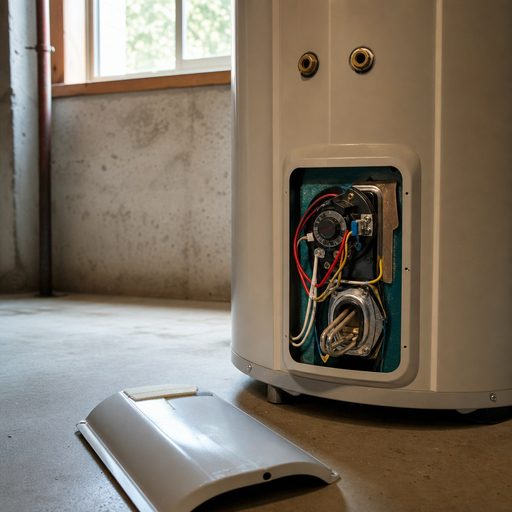
Gas-burning appliances such as furnaces, stoves, and gas water heaters are common points where a gas smell can originate, often near the unit itself. Even so, the response is exactly the same: leave the home and call for help rather than inspecting the appliance. If a gas water heater seems to be the source, or if it stops working and you notice a gas odor, do not relight the pilot, touch the gas valve, or attempt any adjustment. Have a qualified professional handle anything involving the gas supply, since this work is never safe to do yourself.
When to Call a Professional
A gas smell always requires immediate professional attention, beginning with your gas utility's emergency line from a safe distance. After the utility has made the home safe, repairs to gas appliances and connections must be done by a qualified professional, never as a do-it-yourself task. Once the gas emergency is fully resolved, an emergency plumber can address related plumbing concerns, and water heater repair can restore a gas water heater that has stopped working, with all gas work left to a qualified technician. For other urgent situations, our guide on what to do when a pipe bursts covers acting fast and staying safe, and if your gas water heater simply is not heating after the all-clear, our guide on why your water heater is not getting hot explains the common causes and the safe checks that follow.
Sources and further reading
These references support material safety, technical, consumer, or planning guidance in this article. Confirm property-specific requirements with the applicable authority and professional.
- U.S. EPA WaterSense - Home maintenance
- U.S. EPA WaterSense - Fix a Leak Week
- U.S. Department of Energy - Water heating
- U.S. Department of Energy - Water-heater selection guide
- CDC - Carbon monoxide
- U.S. Consumer Product Safety Commission - Carbon monoxide alarms
- Federal Trade Commission - Avoiding home-improvement scams