 Plumbing Advisors Editorial TeamEditorial StandardsUpdated June 12, 2026Source-Checked
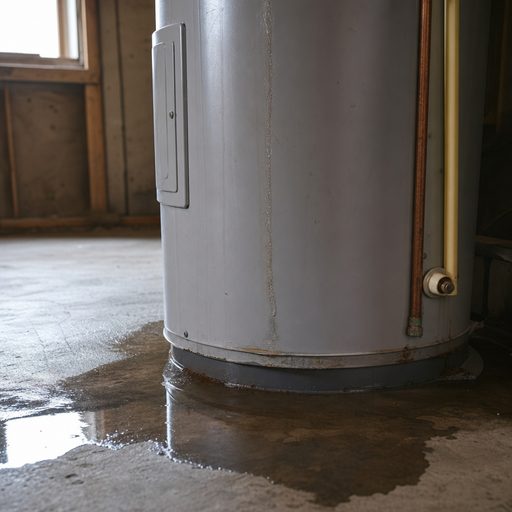
Finding water around your water heater is unsettling, and the first question most people ask is whether it counts as a real emergency. The honest answer is that it depends on how much water is involved, how fast it is coming out, and where it is going. A few drops collecting slowly is a very different situation from water spreading across the floor toward finished rooms or electrical equipment. Knowing how to tell an urgent leak from one that can wait, and how to safely shut things off either way, helps you protect your home and decide how quickly you need help.
When a Leak Is Urgent
- Water is flowing steadily or pooling quickly rather than slowly seeping, which can mean the tank itself is failing.
- The leak is reaching outlets, the electrical panel, or any wiring, where water and electricity create a real hazard.
- Water is spreading toward finished living space, flooring, drywall, or stored belongings that can be damaged fast.
- The leak is paired with no hot water, strange noises, or a discharging pressure relief valve, suggesting a larger problem.
- You cannot tell where the water is coming from and it keeps accumulating despite your efforts to slow it.
Any of these situations calls for fast action and usually a call to an emergency plumber. A tank that is actively releasing water can fail further and flood the area, so the sooner the water is stopped and the unit looked at, the better.
When a Leak Can Usually Wait
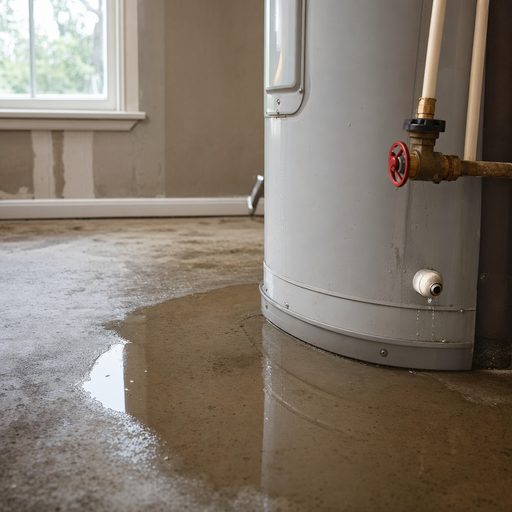
Not every leak is a middle-of-the-night emergency. A small, slow drip that you can contain with a bucket or towel, that is not reaching anything electrical, and that is not soaking into finished spaces can often wait for a prompt but normally scheduled repair. The same is true if you have safely shut off the water to the heater and the dripping has stopped. Even then, waiting does not mean ignoring it. A minor leak today can grow into a major one, so the goal is to contain the water, keep an eye on it, and arrange a repair soon rather than letting it linger for weeks. If the situation changes and water starts spreading or speeding up, treat it as urgent.
Shut off water and power or gas safely
To stop the flow, close the cold water shutoff valve at the top of the heater, or your home's main shutoff if you cannot reach it, by turning it clockwise. Then turn off the unit: switch off the breaker for an electric heater, or set the gas control to off or pilot on a gas heater. Keep clear of any standing water near outlets or the electrical panel, and never wade into water to reach a switch. If you ever smell gas, leave the home and call your gas utility's emergency line from a safe distance. Never attempt electrical, gas-line, or tank repairs yourself.
The Water-Damage Risk
Part of what makes a water heater leak worth taking seriously is how quickly water can damage a home. Even a modest leak left unchecked can warp flooring, soak into drywall and baseboards, and create conditions for mold, while a failing tank can release many gallons in a short time. Acting early to stop the water and dry the area limits that damage. Move belongings out of the way, soak up standing water once it is safe to do so, and if you have a real loss, take photos for your insurance records before you clean up. The faster the water is stopped and the area dried, the smaller the eventual repair tends to be.
When to Call a Professional
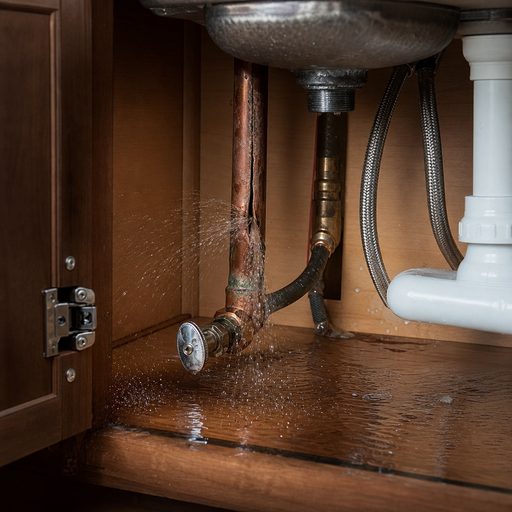
When a leak is active, spreading, or anywhere near electrical equipment, call an emergency plumber right away, after you have safely shut off the water and the power or gas. For a small, contained leak that you have managed to stop, water heater repair service can find the source and fix it, or advise you if the tank itself is failing and the unit needs to be replaced. Do not attempt to repair the tank, the wiring, or the gas connections yourself. To understand what might be behind the leak, our guide on why your water heater is leaking covers the common causes, and for a fast-moving flood from any source, our guide on what to do when a pipe bursts walks through acting quickly and limiting the damage.
Sources and further reading
These references support material safety, technical, consumer, or planning guidance in this article. Confirm property-specific requirements with the applicable authority and professional.
- U.S. EPA WaterSense - Home maintenance
- U.S. EPA WaterSense - Fix a Leak Week
- U.S. Department of Energy - Water heating
- U.S. Department of Energy - Water-heater selection guide
- CDC - Carbon monoxide
- U.S. Consumer Product Safety Commission - Carbon monoxide alarms
- National Association of Insurance Commissioners - Homeowners insurance