 Plumbing Advisors Editorial TeamEditorial StandardsSource review July 31, 2026Source-Checked
Start with the symptom before choosing a repair
One fixture or the whole hot-water system?
Compare the public supply with the hot-water side, then use the equipment's visible condition and test results to decide whether the next step is maintenance, component repair, or replacement.
A loss of hot water, unusual sound, discoloration, or leak can justify an inspection. The observation alone does not identify the failed part or establish that the entire heater needs replacement.
What the hot-water pattern may indicate
Check whether the change appears at one fixture or every hot-water outlet, then note the equipment display, sound, and visible exterior condition without opening a panel or changing a fuel connection.
| What you notice | What it may indicate | What to do next |
|---|---|---|
| Only one fixture has a temperature or flow problem | The fixture, mixing valve, or local branch may need attention before the heater | Compare another hot-water fixture and report the difference before scheduling equipment work. |
| Every hot-water outlet is cold or inconsistent | The heater, its controls, or the energy supply serving it may need assessment | Record the display or error code and request water-heater repair in Los Angeles without opening the unit. |
| Hot water runs out sooner than it used to | Demand, recovery, settings, scale, or equipment condition may be affecting usable capacity | Note when the shortage happens and which fixtures are being used at the same time. |
| Color or odor appears only on the hot side | The heater or hot-water piping deserves comparison with the public supply | Check whether cold water shows the same change and review any utility notice before assuming the tank failed. |
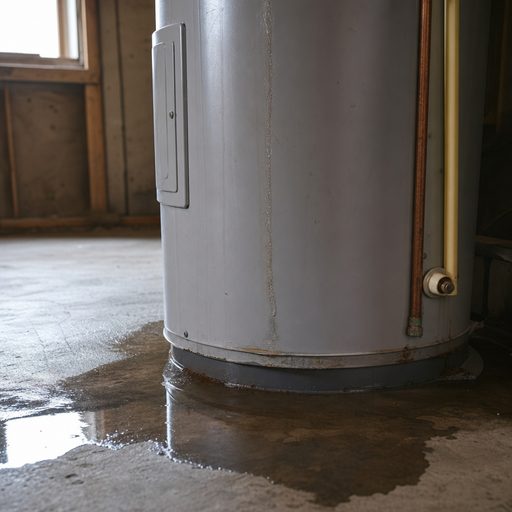
| Water is collecting at or beneath the unit | A tank, valve, fitting, condensate, or nearby connection may be leaking | Keep clear of wet electrical equipment, limit spreading water only from a safe accessible shutoff, and request prompt help. |
Use the hot-versus-cold pattern before blaming the tank
LADWP says a blue or green change that appears only in hot water can be associated with high heater temperature or a hot-water circulation issue. It recommends a public-supply comparison before treating the condition as private-plumbing failure.
Blue or green color appears only in hot water
Stop increasing the temperature and document the affected hot fixtures for professional assessment.
The same change appears in the public-supply comparison
Use LADWP's water-quality path before authorizing a heater repair based on color alone.
Noise or poor recovery is blamed on hard water
Ask what inspection or model-specific maintenance finding connects scale to the symptom.
A gas heater repair becomes replacement
Confirm the current LADBS permit path and any applicable bracing or venting work.
LADWP's citywide hardness ranges describe supply conditions, not the amount of scale inside a particular heater or the condition of its components.
Sources: Water Quality Frequently Asked Questions, WaterSense - Guide to Selecting and Maintaining a Water-Efficient Water Softener, Water Heater Permit FAQ, Water Heater Guidance
Get help with a water-heater problem in Los Angeles
Describe which hot-water fixtures are affected, the heater type, any visible error code, sound, color change, or water around the unit.
No-obligation request · Availability varies by location and provider
What professional water heater repair service does
Losing hot water is disruptive, and a leaking tank can become urgent fast. Plumbing Advisors helps you understand what is happening and connect with water heater repair help.
Professional water-heater repair starts by confirming the symptom, equipment type, fuel or electrical supply, controls, and visible condition. The provider should explain which finding supports a component repair, maintenance step, or replacement comparison.
A repair estimate should identify the failed or suspect component, the work needed to test the result, and any condition that could change the recommendation. A citywide water condition or the age of the equipment should not be presented as proof of a specific failure.
What may contribute to a water-heater problem
A control, heating, or fuel-supply issue
A no-hot-water symptom may involve the heater controls, heating components, ignition, or the supply serving the unit. The equipment type and observed test results determine the next step.
Scale affecting heat transfer
EPA WaterSense notes that hard-water scale can form inside water heaters and reduce heat conductivity. Hardness may support a maintenance discussion, but it does not identify which part caused a specific symptom.
Sources: WaterSense - Guide to Selecting and Maintaining a Water-Efficient Water Softener
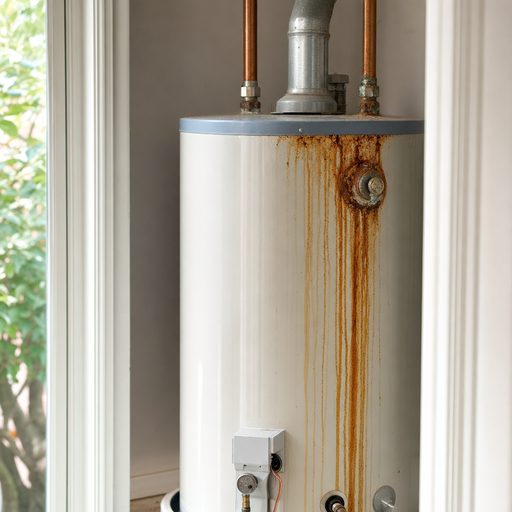
A leak or visible corrosion
ENERGY STAR lists water at joints or seams and visible corrosion among signs that can indicate water-heater failure. The exact source still needs to be confirmed before repair or replacement is chosen.
Sources: Water Heater Replacement Signs
Demand exceeding usable capacity
Hot water that runs out sooner than expected can reflect household demand, recovery, settings, or equipment condition. Record when it happens instead of raising the temperature to compensate.
Sources: Avoiding Tap Water Scalds
What you can safely document first
- Check whether the problem appears at one hot-water fixture or throughout the home.
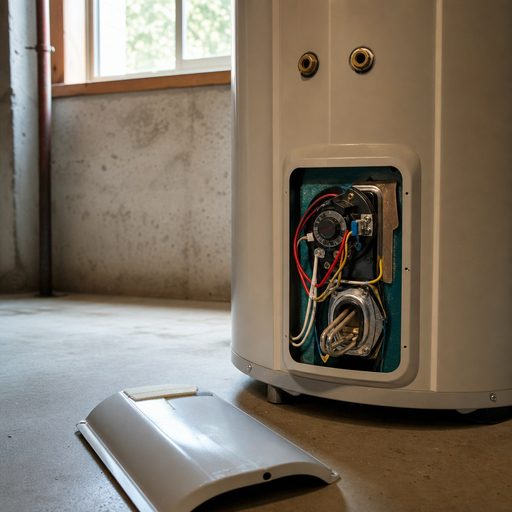
- Photograph the equipment label, visible display, and any error code without removing a cover.
- Note whether the change involves temperature, recovery time, sound, color, odor, or visible water.
- Keep people away from water that is unusually hot or actively spreading around the unit.
- Use only maintenance steps listed for the exact model and leave fuel, venting, electrical, and relief-valve work to a qualified professional.
Do not turn the temperature up to test recovery
The U.S. Consumer Product Safety Commission warns that hot tap water can cause serious burns and recommends a residential setting of 120 degrees Fahrenheit. Even water at that temperature can burn with prolonged exposure.
Sources: Avoiding Tap Water Scalds
When to stop using the water heater and get prompt help
Stop using the equipment and arrange prompt help when leakage or water temperature presents an immediate hazard.
- Water is spreading from the heater or collecting near electrical equipment.
- The tank body shows active leakage or severe visible corrosion.
- Delivered hot water is unexpectedly too hot to use safely.
Sources: Water Heater Replacement Signs, Avoiding Tap Water Scalds
How a repair decision should be made
The service method should follow the observed symptom, equipment type, manufacturer instructions, and test results. Maintenance and replacement are not substitutes for identifying what is actually wrong.
| Method | Where it may fit | Important limitation |
|---|---|---|
| Symptom and exterior-condition assessment | Separating a fixture problem, supply issue, control fault, leak, or capacity concern | The visible symptom may narrow the search without identifying the failed component. |
| Model-specific maintenance | Cleaning or service that the installed equipment manual specifically calls for | A generic flushing or reset routine may not fit the model or the active symptom. |
| Component repair and operational test | A confirmed repairable fault with otherwise serviceable equipment | The estimate should identify the component and how normal operation will be verified. |
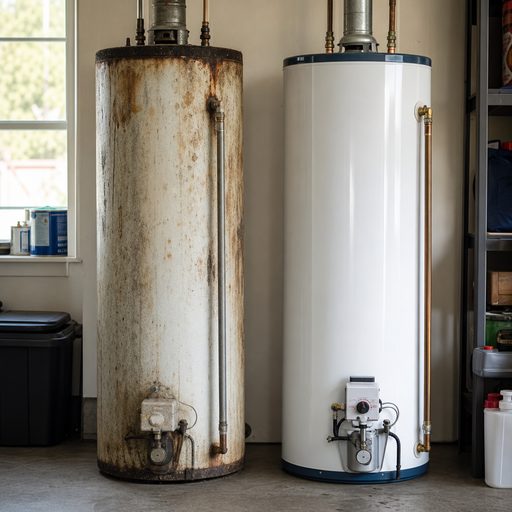
| Repair-versus-replacement comparison | Tank leakage, corrosion, recurring faults, or equipment with broader condition concerns | Age is useful planning context, but it does not prove replacement is required. |
Sources: Water Heater Replacement Signs, Heat Pump Water Heater Installation Best Practices
What genuinely changes water-heater repair planning in Los Angeles
Water hardness can inform maintenance, not prove the repair
LADWP reports that hardness varies across Los Angeles because the City uses several water sources. EPA explains how scale can affect water heaters, but an inspection must connect that mechanism to the installed unit.
Sources: Water Quality Frequently Asked Questions, WaterSense - Guide to Selecting and Maintaining a Water-Efficient Water Softener
A hot-only color change narrows the comparison
LADWP says blue or green water seen only on the hot side can be associated with heater temperature or a hot-water circulation issue. That observation points toward private hot-water components without naming the failed part.
Replacement can add permit and safety scope
If the repair recommendation becomes a gas water-heater replacement, check LADBS permit guidance and the current City bulletins for bracing and venting rather than assuming the old installation can be repeated unchanged.
Sources: Water Heater Permit FAQ, Water Heater Guidance
Comparing a water heater repair estimate
A Los Angeles repair estimate should identify the symptom, tested component, repair action, and verification step. Compare replacement separately when tank condition or recurring failures make that decision relevant.
Scope factors
- Equipment type, fuel, model, and access to the service area
- Diagnostic time and the component or condition being tested
- Parts, labor, model-specific maintenance, and operational testing
- Water cleanup or restoration outside the plumbing repair
- Permit or inspection responsibility if the scope changes to replacement
- Warranty coverage and the condition of the remaining equipment
Questions for the estimate
- Which test or observation supports the proposed repair?
- Does the estimate include the part, labor, and operational verification?
- What condition would change the recommendation to replacement?
- What warranty applies to the repair and the remaining equipment?
What to tell Plumbing Advisors
A concise symptom and equipment record helps the professional prepare for the visit without assuming which part has failed.
- Which hot-water fixtures at the Los Angeles property are affected
- The equipment type, fuel source, model number, and visible error code
- When the symptom began and whether it is constant or intermittent
- Any sound, color, odor, temperature, recovery, or visible-leak change
- The age if known and the relevant repair or maintenance history
- Whether water is actively spreading or too hot to use safely
Plumbing Advisors does not dispatch its own local technicians. The independent professional is responsible for confirming availability, credentials, diagnosis, price, warranty terms, and work performance.
Water Heater Repair in Los Angeles: frequently asked questions
Does Los Angeles hard water prove my water heater needs descaling?
No. Hardness can contribute to scale, but the provider should connect the installed model, maintenance instructions, and observed condition to the proposed service.
What if blue or green color appears only in hot water?
LADWP says that pattern can be associated with heater temperature or hot-water circulation. Stop changing settings and have the private hot-water system assessed; the color alone does not name the repair.
When does a Los Angeles gas water-heater permit matter?
The cited LADBS guidance addresses gas-heater replacement and a limited equivalent-capacity contractor exception. If repair becomes replacement, verify the current permit path for the actual scope.
Should a repair quote include bracing or venting work?
Only when the inspected equipment and scope require it. Ask the provider to identify the applicable LADBS guidance and separate repair work from any replacement or installation correction.
Sources and editorial methodology
Sources are included when they substantively support a local, safety, technical, or consumer decision on this page.
- LADWP, LADBS, EPA, ENERGY STAR, and CPSC sources support supply comparisons, hardness limits, permit planning, equipment observations, and safety.
- Water-hardness context is not treated as proof of scale or equipment failure.
U.S. Environmental Protection Agency
WaterSense - Guide to Selecting and Maintaining a Water-Efficient Water SoftenerU.S. Consumer Product Safety Commission
Avoiding Tap Water ScaldsENERGY STAR
Water Heater Replacement SignsLos Angeles Department of Water and Power
Water Quality Frequently Asked QuestionsLos Angeles Department of Building and Safety
Water Heater Permit FAQLos Angeles Department of Building and Safety
Water Heater Guidance