
Water Heater Installation
Water Heater Installation in Tucson, AZ
If you are looking for water heater installation in Tucson, AZ, first document which fixtures may use hot water together and where the equipment can be safely installed. The goal is to give the professional a useful starting pattern, not to diagnose a Arizona property from the city or symptom alone.
Plumbing Advisors provides guidance and connection assistance. Independent providers perform the plumbing work and confirm availability, pricing, timing, and credentials.
On this pageOverview
 Plumbing Advisors Editorial TeamEditorial StandardsSource-Checked
If you are looking for water heater installation in Tucson, AZ, first document which fixtures may use hot water together and where the equipment can be safely installed. The goal is to give the professional a useful starting pattern, not to diagnose a Arizona property from the city or symptom alone.
The quick answer
- Typical cost
- 40-gallon tank, installed typically costs $1,050 to $2,750. The final cost depends on the confirmed scope, access, parts or equipment, labor, timing, and related work.
- Repair or replace
- The main choice at installation is between a storage tank and a tankless unit.
- Get help fast
- Describe the problem and we'll connect you with independent water heater installation pros serving Tucson, AZ — no obligation.
Water Heater Installation in Tucson
Water heater installation is what you arrange when an old unit has reached the end of the road or you want to upgrade how your home makes hot water. A good install is about more than swapping one tank for another: it covers picking the right type and size for your household, safely removing the old unit, and connecting the new one so it runs efficiently and meets local code. Sizing and venting are where the real difference shows up day to day, in whether you ever run short on hot water.
The two main paths are a traditional tank and a tankless unit, and the better choice depends on your home rather than on which is newer. Tankless units heat water on demand and save floor space, while tanks keep a ready reserve and usually cost less to install. Either way, the details that matter most, such as venting, gas or electrical capacity, and permits, vary by city, county, and state, which is why the professional handles them. Planning a replacement before an old tank fails also spares you the higher cost of an emergency swap.
Signs you may need water heater installation in Tucson
The unit is near the end of its life
Tanks commonly last roughly 8 to 12 years. Once a unit reaches that range, planning a replacement is often wiser than waiting for it to fail at the worst time.
The tank is leaking or rusted
A tank that leaks from its body or shows heavy rust is usually failing and cannot be reliably repaired. At that point a new unit is the dependable fix.
Repairs are adding up
When the same unit needs one repair after another, the money is often better spent on a replacement. A pattern of breakdowns is a reasonable trigger to plan for installation.
You keep running out of hot water
If the household regularly drains the supply, the unit may be undersized for how your needs have grown. Installation is a chance to right-size the capacity.
You want to switch to tankless
Some homeowners upgrade to free up space or get continuous hot water. A conversion is a planned installation that may involve venting, gas, or electrical changes.
Your household has grown
More people or new fixtures can outpace an older unit. Replacing it is a good moment to match capacity to current demand rather than the demand from years ago.
Causes and scope drivers to inspect
- A tank that has reached the end of its life
- Recurring repairs that no longer make sense
- Household hot water demand has outgrown the unit
- Corrosion or a leaking tank
- A desire for greater efficiency
Tank vs. tankless
The main choice at installation is between a storage tank and a tankless unit. Neither is simply better; the right pick depends on your home, your usage, and your budget.
Storage tank
A tank keeps a reserve of hot water ready and usually costs less to buy and install, especially as a like-for-like replacement. It takes up more space and the supply can run out under heavy back-to-back use, but for many homes it is the straightforward, lower-upfront option.
Tankless
A tankless unit heats water as it flows, so it does not run out the same way and frees up floor space. It costs more upfront and a conversion may require venting, gas line, or electrical updates. Over a long stay in the home, the efficiency can make the higher upfront cost worthwhile for the right household.
How to decide
Weigh your hot water demand, the space and venting you have, and how long you plan to stay in the home. A professional can size either option correctly and tell you what a conversion would actually involve in your setup before you commit.
How much does water heater installation cost in Tucson?
For water heater installation in Tucson, AZ, compare itemized quotes for the same inspected scope. Access, testing, parts or equipment, permits, restoration, and urgency can change the final price.
Typical plumbing rates in Tucson, AZ
| Service | Typical cost range |
|---|---|
| Service call | $60–$140 per visit |
| Minimum visit charge | $95–$210 per visit |
Hourly labor rates
| Labor | Typical cost range |
|---|---|
| Residential plumbing labor | $85–$145 per hour |
Emergency pricing factors
| Factor | Typical range |
|---|---|
| After-hours or emergency factor | 1.4x–2.25x |
Typical water heater installation costs in Tucson, AZ
| Project | Typical cost range |
|---|---|
| 40-gallon tank, installed | $1,050–$2,750 |
| 50-gallon tank, installed | $1,225–$3,150 |
Labor costs
| Labor | Typical cost range |
|---|---|
| Labor to install a tank unit | $410–$1,450 per unit |
Additional project costs
| Additional work | Typical cost range |
|---|---|
| Permit | $95–$530 |
| Gas or electrical line upgrade | $525–$3,725 |
| Expansion tank | $105–$445 |
Additional per-item costs
| Additional item | Typical cost range |
|---|---|
| Removal and haul-away of old unit | $80–$370 per unit |
Cost ranges are estimates developed from standardized project scopes and reviewed pricing inputs. Government labor and regional cost data are used where applicable. See our Pricing Methodology for the exact sources, calculations, and review date. Actual prices vary by property, scope, materials or equipment, location, and provider.
What affects the cost
- Whether you choose a tank or tankless unit and its capacity
- The fuel type and any venting the unit needs
- Plumbing, gas, or electrical updates required for the new unit
- Removal and disposal of the old water heater
- Permit and code requirements in your city, county, or state
- How difficult the install location is to access
- Local labor rates in your area
Planning water heater installation in Tucson
A useful local scenario
One useful way to prepare in Tucson, AZ is to describe the condition in plain language: "The tank is leaking or rusted". Avoid guessing the failed part; the inspection should connect that observation to a verified cause and scope at the Arizona property.
Property and access planning
For a Tucson visit, make delivery path, clearances, utilities, venting, condensate or drain path, and inspection access available where it is safe to do so. Ask who will verify permits, inspections, utility responsibility, and restoration needs for the project address. For the Tucson, AZ estimate, ask the professional to identify the inspected component or system, the planned access point, and the exclusions that apply to the Tucson property.
Credential checks in Arizona
Plumbing contractors in Arizona are licensed and regulated by the Arizona Registrar of Contractors (ROC), the state agency that has overseen contractors since 1931. Plumbing falls under the ROC's C-37 (Plumbing) classification, which covers residential and commercial plumbing systems.
Under Arizona law, a contractor license is generally required once the total job — labor and materials combined — reaches $1,000, or any time the work requires a local building permit, regardless of cost. Below that threshold a handyman may perform casual, minor work, so for anything larger or permitted, confirm the contractor on the ROC's official license search before you hire.
Permits and inspections in Arizona
Permit and inspection requirements in Arizona are set locally and vary by city and county. Note that under state law any plumbing work requiring a local building permit must be done by a licensed contractor, even on small jobs. Always check with your local building or development services department first to confirm what your specific project needs.
Relevant water context in Arizona
Arizona has some of the hardest water in the country. The City of Phoenix Water Services Department has reported hardness ranging from roughly 9.9 to 16.1 grains per gallon (about 170–276 mg/L), which rates as hard to very hard, and Tucson-area supplies run similarly high. As desert groundwater and surface water move through limestone- and mineral-rich geology, they pick up the calcium and magnesium that drive scale buildup in pipes, fixtures, and water heaters.
Get matched with a water heater installation pro in Tucson
Tell us what's going on and we'll connect you with independent water heater installation help serving Tucson, AZ.
No-obligation request · Availability varies by location and provider
What a water heater installation visit includes
- Help sizing and selecting the right tank or tankless unit
- Safe disconnection and removal of the old water heater
- Installation and connection of the new unit
- Updating connections and venting to meet current requirements
- Handling permits where your area requires them
- Testing for safe, consistent operation
- Haul-away and disposal of the old unit
What to expect at the appointment
- 1Assess your hot water needs and current setup
- 2Choose between tank and tankless and the right size
- 3Connect with a plumbing professional that services your area
- 4Have the old unit safely removed
- 5Install and connect the new unit properly
- 6Test for safe operation and consistent hot water
What to do first
- Note your current unit type, size, and fuel source
- Consider how much hot water your household needs
- Check the space and venting available for the new unit
- Gather any warranty or model information you have
How to choose a water heater installation pro in Tucson
- Choose a licensed, insured plumbing professional where your state or city requires it
- Ask for a total installed quote, not just the price of the unit
- Confirm removal, disposal, and any permits are included in writing
- Ask them to size the unit to your household rather than guess
- Check what warranty covers the unit and the installation work
- Read recent reviews from homeowners in your area
How Plumbing Advisors helps
Plumbing Advisors helps you compare tank and tankless options and understand what proper installation involves, then connects you with plumbing professionals that service your area. Requirements like venting and code can vary by city, county, and state, so a local professional handles the details. Availability and pricing vary by location and provider.
Water Heater Installation in Tucson: FAQs
What should I note before requesting water heater installation in Tucson, AZ?
Which fixtures may use hot water together and where the equipment can be safely installed. For the Tucson, AZ request, add when the condition began, what changes it, and any safe shutoff or access information. These details help frame the first inspection but do not confirm the cause at a Arizona property.
How should I prepare for a water heater installation visit in Tucson, AZ?
For the Tucson, AZ visit, prepare delivery path, clearances, utilities, venting, condensate or drain path, and inspection access. Keep the project address and any prior findings available, then ask the professional to confirm the inspected scope and applicable Arizona or local requirements in writing.
Why is tankless installation more expensive?
Tankless units cost more for the unit itself and often require a larger gas line, new venting, or electrical work, which adds labor. Over a long stay in the home the efficiency can offset that higher upfront cost for the right household.
How long does water heater installation take?
A straightforward tank replacement is often completed in a few hours, while tankless conversions can take longer if venting, gas, or electrical changes are needed. Your installer can give a time estimate for your setup.
Should I switch to a tankless water heater?
Tankless units save space and provide continuous hot water but cost more upfront and may need venting or gas changes. Whether the long-term value fits your home depends on your usage, which a professional can assess.
What size water heater do I need?
Sizing depends on your household's hot water demand and the unit type. A professional can recommend the right capacity so you are not paying for unused size or running short on hot water.
Do you remove the old water heater?
Proper installation typically includes safely disconnecting and removing the old unit and connecting the new one. Confirm removal and disposal are included when you get a quote.
Sources and local references
These primary and public-agency references support the safety, credential, permit, efficiency, equipment, or local-system guidance used on this page. They do not diagnose a specific property.
- U.S. Department of Energy - Home energy checklist
- U.S. Department of Energy - Water heating
- CDC - Returning home after a natural disaster
- Arizona Registrar of Contractors — license classifications
- Arizona Registrar of Contractors — contractor license search
- Arizona Revised Statutes 32-1121 — persons not required to be licensed
- Rayne Water — Phoenix water hardness (City of Phoenix Water Services data)
Water Heater Installation in nearby cities



Water Heater Installation guides
Learn before your water heater installation in Tucson.
Free guides on cost, common problems, repairs, and what to expect — written to help you make the call with confidence.
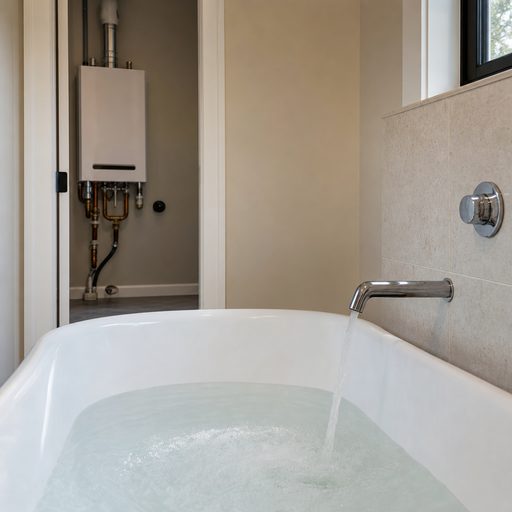
Can a Tankless Water Heater Fill a Bathtub?
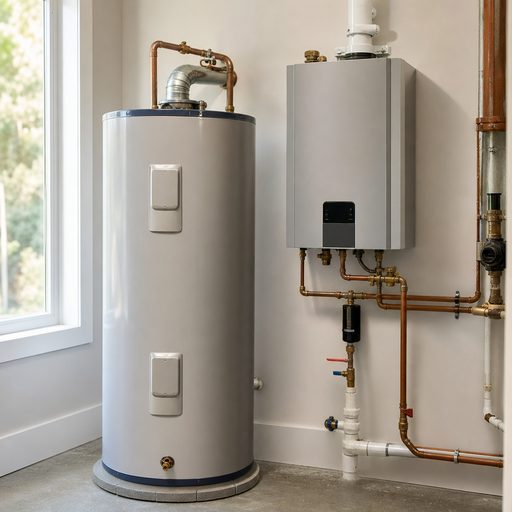
What Size Water Heater Do I Need?
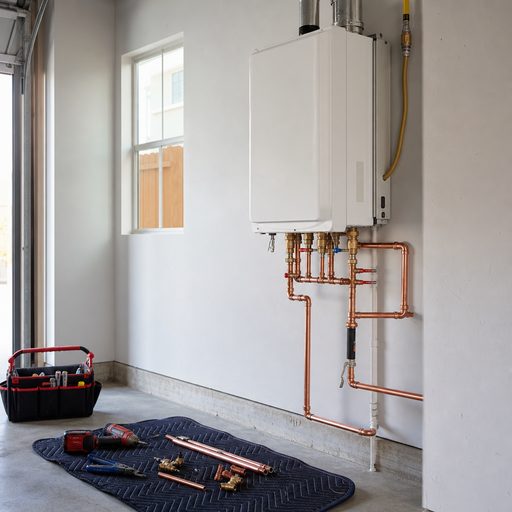
What to Expect During a Tankless Water Heater Installation
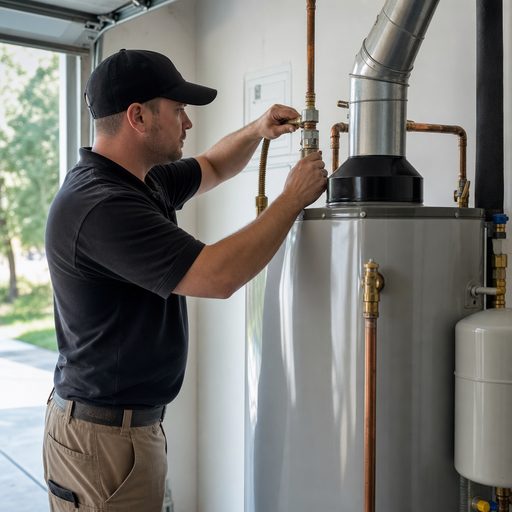
Permits and What a Water Heater Replacement Involves
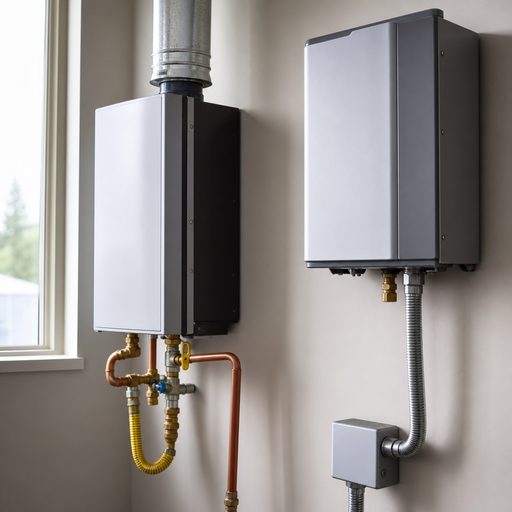
Gas vs. Electric Tankless Water Heaters: What Your Home Needs
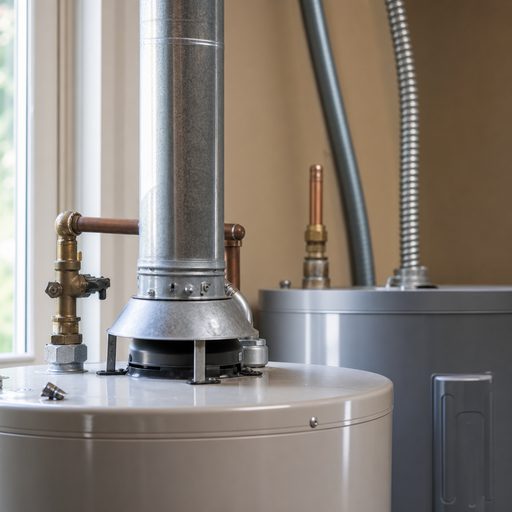
Gas vs. Electric Water Heaters: What to Know Before Replacing
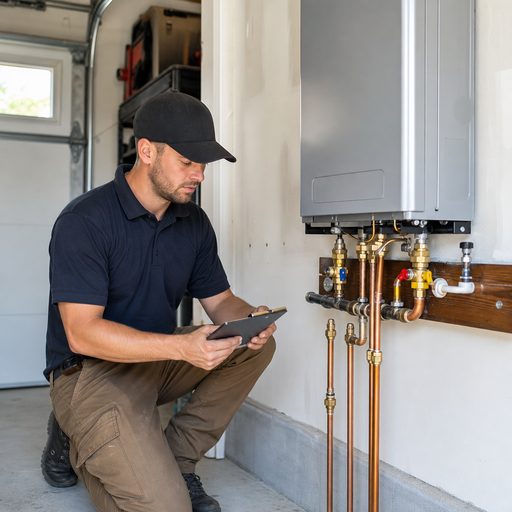
How Much Does Tankless Water Heater Installation Cost?
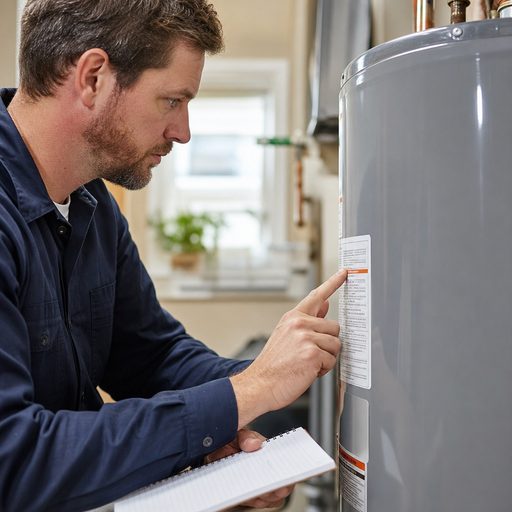
How to Size a New Water Heater for Your Home
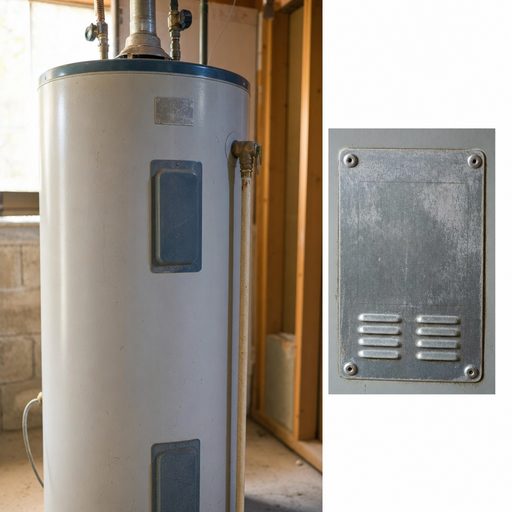
How Long Do Water Heaters Last?
Need Plumbing Help Now?
Call Plumbing Advisors to connect with help for leaks, drains, water heaters, sewer lines, burst pipes, toilets, faucets, and more.
No-obligation request · Availability varies by location and provider