 Plumbing Advisors Editorial TeamEditorial StandardsUpdated July 5, 2026Source-Checked
Choosing between a gas or electric tankless water heater isn’t just about utility preference—it impacts your installation requirements, potential upgrades, utility bills, and long-term comfort. Gas units need special venting and robust gas lines, while electric models demand significant electrical capacity. Matching the right system to your home’s capabilities is crucial, and navigating these choices safely means engaging a professional.
What Are the Key Differences Between Gas and Electric Tankless Heaters?
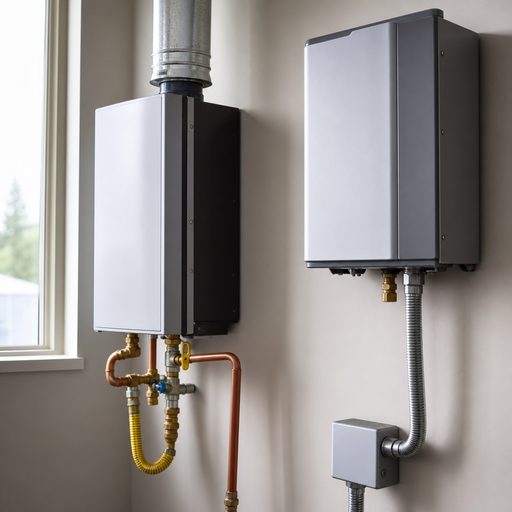
Gas tankless water heaters, like those from Rheem or Rinnai, operate by burning natural gas or propane, instantly producing heat as water flows through their heat exchanger. These systems require careful venting to expel combustion gases, often mandating stainless steel or specialized direct-vent materials. They also need access to an adequately sized gas supply—often larger than the gas lines feeding a traditional tank heater. Electric tankless water heaters, including models from Stiebel Eltron or EcoSmart, rely on high-powered electric heating elements to deliver hot water. They do not produce fumes or require venting, but their electrical demand is significant, necessitating multiple dedicated breakers and considerable panel capacity.
Both types promise endless hot water, but their maintenance, installation, and operational realities differ. Gas models need periodic vent and burner servicing, as well as monitoring of parts such as flame rods, and TPR (temperature and pressure relief) valves. Electric models are a bit simpler internally—key parts include heating elements (with typical replacement intervals of several years) and sensors to detect flow and temperature. Understanding these differences can steer you toward the right fit for your home and climate.
- Gas models require venting (typically stainless or concentric venting).
- Electric models need no venting but draw much higher amperage.
- Gas systems may deliver higher flow rates in cold regions.
- Electric units are simpler mechanically but require a robust electrical panel.
- Both require periodic maintenance: gas for combustion safety, electric for element longevity.
Does Your Home's Infrastructure Favor Gas or Electric?
Before choosing a system, examine what your home already supports. If you currently have natural gas service, installing a gas tankless heater could be straightforward—if your gas line is appropriately sized. This often means evaluating the existing gas shutoff valve, the line’s diameter, and the total BTU load already in use by appliances. Upsizing the gas line may require rerouting pipes or installing a new gas pressure regulator, work which is always handled by a licensed plumber or HVAC specialist.
If your home lacks gas service, or if adding venting would be disruptive or expensive, electric tankless water heaters are a natural alternative. However, these typically require multiple 40- to 50-amp dedicated circuits, and your home’s main panel must have both available slots and total capacity. Older homes, especially those with 100-amp service, may need a panel upgrade—sometimes involving coordination with your utility. Because of this, an electrician’s assessment is essential before committing to electric, and the overall feasibility may hinge on your home's electrical backbone.
Panel Upgrades May Be Required
If your main electrical panel is fully loaded or rated below the amperage needed for a whole-home electric tankless unit, you’ll need to factor in the complexity and scope of upgrading both the panel and main service line. Consult a licensed electrician early in the process.
Comparing Performance: Flow Rate, Temperature Rise, and Climate
Performance is measured by flow rate (gallons per minute) and temperature rise (how much the water is heated above its incoming temperature). Gas tankless heaters, thanks to their ability to produce intense heat quickly, can generally supply a higher flow rate, especially in cold climates where incoming water may be near freezing. Electric models deliver consistent hot water in moderate climates but may struggle with whole-home demand or when multiple showers run simultaneously in colder regions.
It’s crucial to size your system properly. Both types come in a range of capacities, but for peak comfort (and to avoid disappointment on busy mornings), have a pro perform a sizing analysis. This takes into account the fixtures in your home, peak simultaneous use, and your region’s typical incoming water temperature. Our guide, How to Size a Tankless Water Heater: Flow Rate and Temperature Rise, offers a step-by-step breakdown of this process.
Installation: What’s Involved and Why You Need a Professional
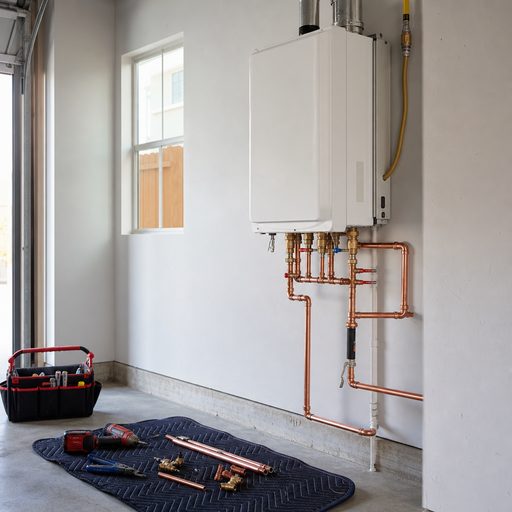
Installing a gas tankless heater is not a simple swap. The process begins with confirming the gas line's size and integrity, often requiring an upgrade to a thicker line, the addition of a shutoff valve, and sometimes a new PRV. Venting is then routed—direct vent, concentric, or power vent systems each have their own code requirements and distance limitations. Finally, condensate management is necessary for high-efficiency models. Because installation intersect directly with local codes and safety, a qualified plumber or HVAC pro ensures every component, from vent piping to TPR valves, meets standards.
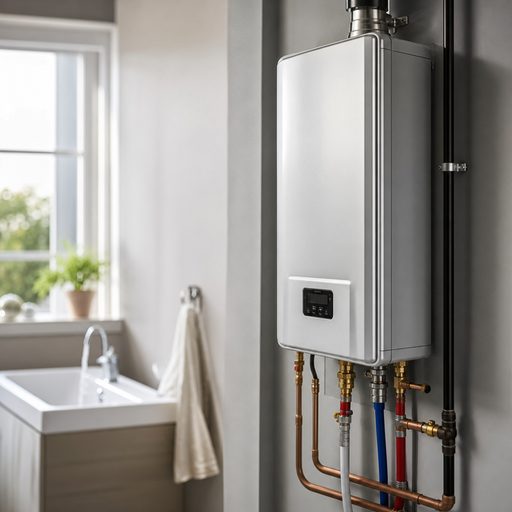
For electric units, installation focuses on electrical readiness. A professional electrician will check panel capacity, run heavy-gauge wiring (often #6 or thicker), install the necessary breakers, and verify grounding. Beyond wiring, water connections are made, sometimes requiring adjustments to plumbing or installing pressure regulators if your supply pressure is high. Ensuring that all components, including heating elements and flow sensors, are properly connected and commissioned is essential for safety and longevity.
Common Components, Parts, and Maintenance Needs
Both gas and electric tankless water heaters have parts that require periodic attention. On gas models, the heat exchanger is the core (Rinnai, Navien, and Noritz are known manufacturers). Combustion systems use flame rods (flame-rectification sensors) to monitor safe operation—these can fail or accumulate carbon buildup over time. The TPR valve (temperature and pressure relief) is critical, though tankless units experience less pressure fluctuation than tanks, so operation is less frequent.
- Flame rod (gas models): Confirms the burner has lit and shuts off gas flow if the flame is lost if necessary.
- TPR valve (all models, for overpressure): Should be checked by a pro during annual service.
- Heating element (electric models): May need replacement if hot water output drops.
- Flow sensor (all models): Triggers heating when water starts to move.
What Drives Total Installation and Operating Costs?
Several factors shape the cost of installation and ongoing use. For gas units, complexity comes from venting (number and length of runs, wall vs. roof termination), gas line sizing, and whether high-efficiency condensing models are selected (which also produce acidic condensate requiring neutralization). Electric models require less physical rerouting but may need extensive electrical upgrades for proper operation. The need for a new panel, subpanel, or heavier wiring often drives project scope.
Operating costs depend on your utility rates for gas and electricity, the efficiency of your chosen model, and, in colder climates, the amount of heat required to meet your peak demand. Gas units tend to have higher upfront installation costs due to venting and gas work. Electric units may cost more to run where electrical rates are high. To see typical price ranges for each scenario and component, refer to the related cost guide.
Code requirements can vary locally
National plumbing, gas, and electric codes set minimum safety and installation standards, but your municipality may add further requirements or mandates for permits and inspections. Always confirm with your plumber or electrician that your installation will meet or exceed local regulations for venting, gas line work, and electrical circuits.
Why Professional Installation Matters
Improper installation of a tankless water heater, gas or electric, risks more than reduced performance—it can pose immediate safety hazards. Work involving gas lines must be pressure-tested, leak-checked, and often inspected to prevent the risk of explosion or carbon monoxide exposure. Electric installations require precise connections of high-amperage circuits and thorough grounding; improper work can lead to dangerous overheating or fire risks.
A professional tankless water heater installation is meant to make sure your unit’s venting, wiring, and connections meet code and manufacturer standards. A licensed installer will verify that critical components (like the pressure relief valve, gas regulator, flame rod, and flow sensors) are selected and sized properly for both safety and efficiency. This also helps protect manufacturer warranties and supports reliable operation for many years.
How to Decide: Key Questions to Guide Your Choice
Consider these questions as you evaluate options with your professional installer: Does your home already have a suitable gas line or a panel that can provide the necessary amperage? How many fixtures do you need to run at once, and during your coldest months, will you maintain enough flow at adequate temperature? Is access for venting straightforward, or would you need structural changes? Will local code allow your preferred installation? Discussing these points will steer you toward the right decision for your household needs and infrastructure.
- What is my home’s current gas line and venting situation?
- Is my electrical panel large enough, or will I need an upgrade?
- How cold is my incoming water temperature in winter?
- How many showers or appliances need hot water at once?
- What are my typical utility rates for gas and electricity?
Related Services and Guides for Further Research
For a detailed walkthrough of sizing your tankless water heater, visit How to Size a Tankless Water Heater: Flow Rate and Temperature Rise. To understand the full project scope, including milestone steps like old heater removal and inspection points, explore What to Expect During a Tankless Water Heater Installation. When ready, consult with a local Tankless Water Heater Installation or Water Heater Installation provider to evaluate your home in person and receive a code-compliant estimate.
Can a gas tankless water heater be installed where my old tank heater was?
Sometimes, but installation may require upsizing your gas line and rerouting or upgrading venting. Tankless gas models usually have higher BTU requirements and need stainless or special vent pipe, which may not match your old heater’s setup. A professional assessment is essential.
Will my electrical panel need an upgrade for an electric tankless heater?
Many older electrical panels don’t have the spare capacity or breaker slots required for whole-home electric tankless units, which can need three or more dedicated 40-50 amp circuits. An electrician should inspect your panel and wiring before you decide.
Which option is better for homes in cold climates?
Gas tankless water heaters typically provide higher flow rates during steep temperature rises, making them better suited to cold climates. However, electric units can work in smaller homes or mild climates where incoming water isn’t near freezing.
How do maintenance needs compare between gas and electric tankless heaters?
Gas models need vent and burner cleaning, along with regular inspection of flame rods, and TPR valves. Electric models require periodic descaling of heating elements, especially in hard water areas, and annual filter checks.
Will installing a tankless heater lower my utility bills?
Tankless heaters are typically more energy-efficient than tank models since they heat water only as needed. However, the impact on your bills depends on local gas and electric rates, your household’s hot water use, and the efficiency of the unit installed.
Sources and further reading
These references support material safety, technical, consumer, or planning guidance in this article. Confirm property-specific requirements with the applicable authority and professional.