 Plumbing Advisors Editorial TeamEditorial StandardsUpdated July 5, 2026Source-Checked
The choice between a gas and electric water heater impacts your installation, future maintenance, and even home safety. Each type has distinct requirements for venting, hookups, and daily operation. Understanding these differences ensures you choose the right option for your home’s infrastructure and needs—always with the help of a qualified pro for connection and installation.
How Do Gas and Electric Water Heaters Work?
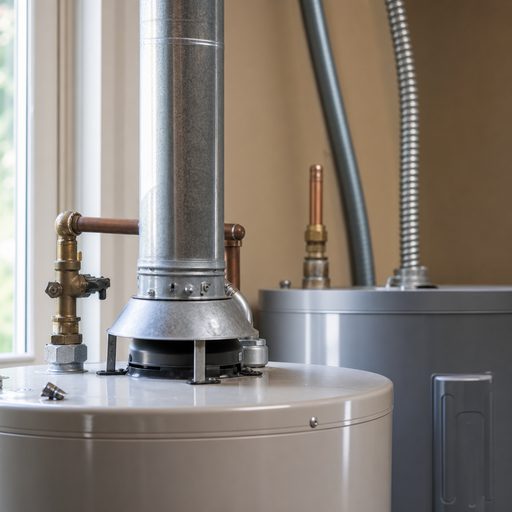
Gas water heaters typically use natural gas or propane as their energy source. Inside the tank, a burner heats the water, and the resulting combustion gases must be safely vented out using a flue or direct vent system. Key components like the thermocouple (which verifies pilot flame presence), the gas control valve, and the draft hood are essential for safe and efficient operation. Electric models, in contrast, rely on one or more immersed electric heating elements, controlled by thermostats. There is no venting required, making these units simpler to install from a mechanical perspective. However, electric units require a dedicated, properly-sized 240V circuit to operate safely and effectively.
Although both types serve the same end—providing hot water—their heating methods, installation demands, and safety features differ. For example, the anode rod (which protects against tank corrosion) and the temperature and pressure relief (TPR) valve are maintenance items found on both gas and electric tanks, but additional safety controls around gas supply are unique to gas units. Understanding how these components work will help you discuss maintenance needs and replacement options with a local pro.
Venting and Electrical Requirements: What’s the Difference?
Gas water heaters produce combustion gases, which require a dedicated venting system. Traditional tank models often vent vertically through a metal flue, while many modern units use direct or power venting systems to route exhaust sideways through an exterior wall. National plumbing and building codes set standards for venting size, materials, and distances, but requirements vary widely by municipality—always confirm with your local building department and a licensed professional. Flue installation or upgrades are a significant part of gas water heater replacement, especially if your old system was “atmospheric vent” and you’re upgrading to a high-efficiency model.
Electric water heaters avoid combustion entirely and simply require a dedicated circuit wired to a double-pole breaker at your electrical panel. The load these units draw is substantial (commonly 20-30 amps for standard residential tanks), so the wiring, breaker, and electrical panel capacity must be evaluated and often updated—this is a licensed electrician’s territory. In older homes, infrastructure upgrades can widen the scope of work involved in switching from gas to electric.
What Happens If You Switch Fuels?
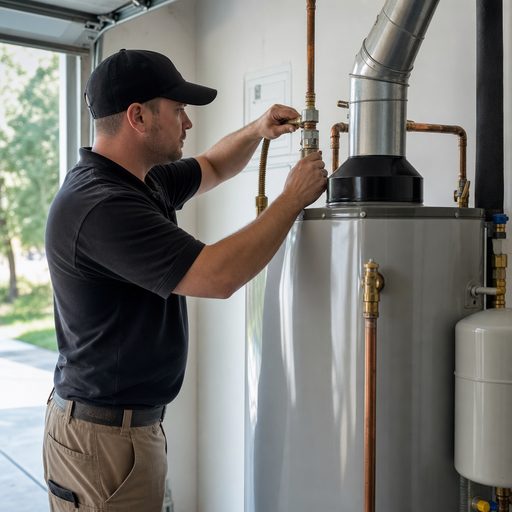
Switching fuel types during replacement is a serious project that goes well beyond a standard water heater swap. Converting from electric to gas involves running a new gas line—typically using black iron pipe, corrugated stainless steel tubing (CSST), or approved flexible connectors—from the gas meter to the water heater location. Proper sizing and installation are crucial to safe, reliable operation, as is secure connection and leak testing. Where no venting is present, installing a new vent system means cutting through walls or roofs and ensuring everything meets local and national safety codes.
Going from gas to electric, meanwhile, typically requires capping and safely decommissioning the gas supply, then bringing a new, dedicated circuit from the electrical panel. This may mean running new cable (often 10 AWG for 30A service), updating the breaker, and sometimes even upgrading your panel if capacity is tight. Both conversions involve inspection and permitting—see our Permits and What a Water Heater Replacement Involves guide for the step-by-step process required in most regions.
Switching fuels impacts more than installation cost
Changing from gas to electric or vice versa may affect your home's resale value, code compliance, and future utility choices. Consult with a professional to fully understand the long-term implications and necessary upgrades before making the switch.
Performance, Recovery Rate, and Hot Water Supply
One of the most important differences for homeowners is how quickly a tank can recover after hot water is drawn. Gas water heaters—especially standard models from Rheem, Bradford White, or A.O. Smith—can usually heat a full tank faster than most electric models, making them popular for large households or homes with simultaneous hot water demand (like multiple showers running). Electric heaters tend toward slower recovery rates, though some high-wattage models narrow the gap.
Comparing Lifespans and Maintenance Concerns
Most tank-style water heaters last between 8–12 years in average conditions. Electric heaters sometimes edge out gas units in longevity due to having fewer components exposed to combustion and corrosive flue gases. Regardless of type, regular maintenance makes a difference: replacing the anode rod, periodically flushing the tank to remove sediment, and checking the TPR valve can prolong service life for both gas and electric heaters.
Some components, like the thermocouple or gas control valve (gas models), are key failure points and can sometimes be replaced independently to extend the unit’s life. Electric models are more likely to suffer from heating element or thermostat issues, both of which are repairable by a qualified professional. Be aware that certain brands—Rheem and A.O. Smith among them—have distinct part designs, so using OEM replacements is recommended for reliability and warranty reasons.
- Thermocouple (gas models): Monitors pilot flame, usually lasts several years.
- Anode rod: Protects the tank from corrosion, should be checked every 2–3 years.
- Heating elements (electric models): Can fail or accumulate scale, typically replaced after several years.
Safety and Code Compliance: Why Pro Installation Matters
Installation and hookup for both gas and electric water heaters are governed by plumbing and building codes—these codes vary by state and municipality, covering everything from venting clearances to seismic straps, TPR discharge piping, and gas shutoff placement. Licensed plumbers and electricians know not only the technical aspects, but also required permitting and inspection steps, which are essential to pass final approval and protect your home insurance coverage.
Improper installation can lead to dangerous risks, including carbon monoxide leaks from faulty gas venting, electrical shock or fire from overloaded circuits, and water damage if connections or relief valves are mishandled. If you’re exploring replacement options, a local pro can explain exactly what your home needs to meet local requirements and ensure safe, long-lasting performance. Homeowners requesting Water Heater Replacement or scheduling Water Heater Installation through a trusted service will have this expertise built into the process.
Always confirm code requirements locally
Code requirements for venting, seismic anchoring, and electrical connections can change from one city to the next. Because violations may void manufacturer warranties or insurance, it's essential to have a licensed contractor confirm your local standards and pull the necessary permits.
What Drives Installation Complexity and Cost?
Several factors influence how complex—and therefore how costly—a replacement or conversion will be. Swapping a like-for-like unit on the same fuel is usually simple, since most hookups, venting, or circuits are already in place and require only minor adjustments. However, code updates, location changes (such as moving the heater from a closet to a garage), upsizing the tank, or switching fuel type all add steps to the process. Gas units may require venting upgrades or carbon monoxide alarms to meet new safety codes, while electric upgrades might mean significant electrical work.
Brand and model choices impact cost as well. Some manufacturers’ units, such as those by Bradford White, may have unique venting or wiring configurations that require specialty parts to install or replace. The presence of hard water, the condition of current gas lines or wiring, and even the physical location of the heater (second floor versus basement) are all practical factors that influence labor and parts needed. For a detailed breakdown, see the related cost guide.
- Local code and permit requirements
- Brand- or model-specific connection needs
- Upgrading venting or electrical circuits
- Physical accessibility of the installation site
- Whether you’re changing fuel types
Prepping for Replacement: What Homeowners Can Expect
Before a pro arrives for replacement, clear the area for access, shut off the water supply, and if possible—without handling gas or wiring—turn off the energy supply. Expect your installer to check the condition of the shutoff valves, expansion tank (if present), drip pan, and venting for gas models. They’ll also confirm grounding and bonding for electric heaters and inspect for code compliance throughout. If you’re considering an upgrade (such as adding a recirculation pump, water softener, or leak detection system), mention this during planning.
The replacement process itself will involve draining and removing your old unit, preparing or upgrading connections, securely setting and leveling the new heater, making all required linkups, and testing the system for leaks or electrical safety. After installation, the pro will review maintenance needs, point out key shutoffs, and help you register any applicable manufacturer warranties.
Can I replace a gas water heater with electric myself?
Replacing a water heater, especially with a fuel switch, involves complex plumbing, electrical, and code requirements. Working on gas lines or high-voltage wiring is hazardous and can be illegal for unlicensed individuals. It’s essential to hire licensed professionals to ensure safe installation and compliance with local building codes.
How can I tell which type I currently have?
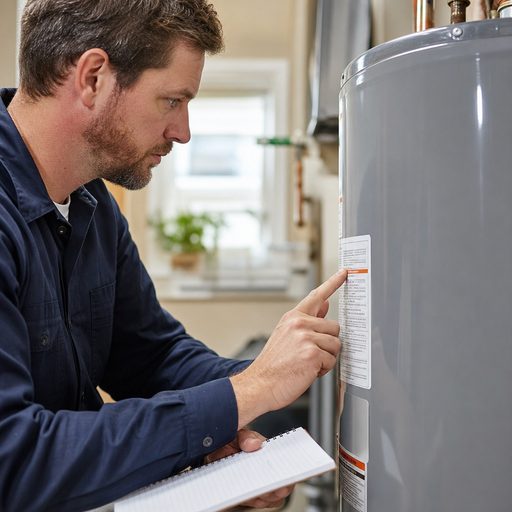
Look for a gas shutoff valve and vent pipe—these indicate a gas water heater. Electric units are typically wired directly with electrical conduit or flexible cable (often to a nearby disconnect or junction box) and have no venting. The manufacturer’s label will also specify the power source and model details.
Is it worth switching from gas to electric (or vice versa)?
Switching fuels can make sense if local utility rates favor one or your home’s infrastructure is changing (during remodeling, for example). However, the extra work required for safe connection, venting, or electrical upgrades means higher complexity and cost. Consult a pro to weigh long-term operating costs and project scope before making a decision.
How long does installation take for each type?
Replacing a same-fuel water heater usually takes a few hours. Switching fuels can require several extra hours or even days, depending on electrical or venting work and permit inspections. A professional can give you a time estimate after assessing your site and discussing potential code issues or infrastructure needs.
Sources and further reading
These references support material safety, technical, consumer, or planning guidance in this article. Confirm property-specific requirements with the applicable authority and professional.