 Plumbing Advisors Editorial TeamEditorial StandardsUpdated July 5, 2026Source-Checked
Tankless water heater installation typically costs more than replacing a conventional tank model, mainly because of the supporting upgrades often required. The final price depends on the unit's fuel type, its capacity, and the modifications needed for your home’s gas, electrical, or venting systems. Understanding these variables will help you make an informed decision and interpret estimates more confidently.
What Does Tankless Water Heater Installation Actually Include?
When you hire a professional for tankless water heater installation, you’re paying not just for the unit but for all the necessary work to integrate it safely and effectively into your home. Unlike standard tank replacements, tankless models almost always require additional upgrades. These may include new gas lines, venting, or expanded electrical circuits, as required by the model and local codes. Brands like Rheem, Rinnai, and Noritz often specify precise installation requirements in their documentation.
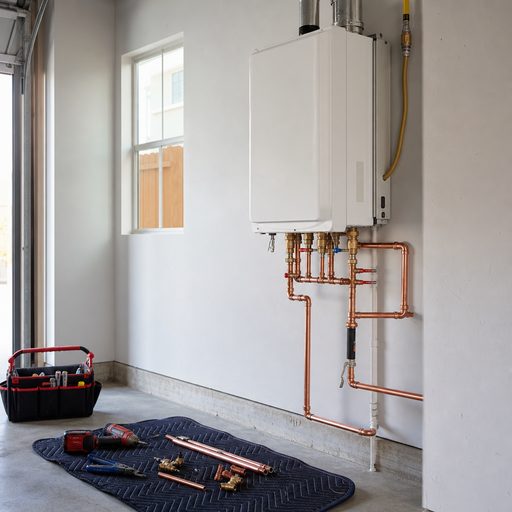
Installation includes mounting the unit, connecting water supply and output lines, ensuring proper venting, and performing all code-required safety tests. Plumbers also take into account the expansion tank, pressure relief valve (also called TPR valve), and shut-off valves. Each step is governed by safety code, which varies regionally, so it’s critical to confirm requirements locally and work with a qualified contractor.
The labor portion often outweighs the cost of the unit itself. Labor covers running or upgrading gas, water, or electrical lines; adjusting venting or flue; and disposing of your old water heater if applicable. Local permitting, required inspections, and warranty registration wrap up a typical tankless installation project.
Major Factors That Influence Tankless Installation Cost
Several variables can shift your installation up or down the cost spectrum. The most significant is the fuel type: gas-powered tankless units often require larger gas lines and specially rated venting, like stainless steel or PVC, compared to electric units, which typically demand increased electrical capacity. Both types need dedicated circuits and shut-off valves for safety and code compliance.
- Fuel type (natural gas, propane, or electric): Drives the need for either gas piping and venting or electrical system upgrades.
- Unit capacity: Higher BTU or GPM (gallons per minute) ratings cost more and may require more extensive utilities.
- Venting requirements: Gas models must be vented outdoors—direct vent setups, concentric vent kits, or long exhaust runs all impact labor.
- Gas line upgrades: Older homes often have undersized gas piping that must be replaced.
- Electrical panel upgrades: Whole-home electric models may need significant breaker and panel upgrades.
- Installation location: Hard-to-reach spots or long pipe runs can add complexity.
- Permit and inspection fees: Required by most municipalities for safety and code compliance.
If your chosen spot for installation is far from existing utility lines, expect added labor and material requirements. The physical characteristics of your home—basement, crawlspace, attic access, or finished walls—may also affect the job’s complexity. Local code enforcement may require additional features like seismic straps or backflow preventers as well.
Gas vs. Electric Tankless Water Heater Installs: What Changes?
Gas and electric tankless water heater installations are very different jobs behind the scenes. Gas units from trusted brands like Rinnai or Navien require precise venting—often stainless steel or special PVC components—and almost always need verification or enlargement of the gas supply line due to their higher instantaneous BTU demand. This can mean opening walls and floors or running new lines from the main supply.
Electric tankless units, such as those by Stiebel Eltron or EcoSmart, generally need significant power, sometimes demanding 120-amp or higher-rated service and multiple dedicated double-pole breakers. In many homes, this requires a full panel upgrade and installation of larger-gauge wire—work that must be completed by a licensed electrician. Whole-home electric models are more common in warm climates with modest hot water needs.
Both types must be sized properly for your household's peak hot water needs, taking into account flow rate and simultaneous usage. Choosing the right unit size from the start can help avoid costly rework or expansion down the line.
Permitting and Code Compliance
Most cities and counties require a permit and final inspection for tankless water heater installations, especially if modifying gas or electrical systems. Codes vary by state and municipality—your contractor should be familiar with local requirements, which may affect your project’s timeline and scope.
Key Components Involved in Installation
Understanding some of the main parts a pro will work with can help you discuss your project knowledgeably. On gas units, the gas shut-off valve and venting kit are crucial for safety. For all units, a pressure relief valve (TPR) must be installed to meet code. Expansion tanks may be required wherever local regulations call for them, particularly in closed-loop plumbing systems.
With electric units, professional installation includes correctly sized wiring, grounding, and circuit breakers. All connections must comply with the National Electrical Code (NEC) as well as local ordinances. Water line connections use high-quality unions and shut-off valves for serviceability, and dielectric unions may be installed on copper piping to prevent corrosion at the connection point.
- Pressure temperature relief valve (TPR valve)
- Gas shut-off and supply lines or electrical breaker and wiring
- Venting system (for gas models), such as concentric vent kits
- Water shut-off valves and flexible connectors
- Expansion tank (if required by code)
Leading manufacturers like Noritz, Rheem, and Navien often sell installation kits that include these core components. Ask your installer which parts are included and which are billed separately.
Choosing Location and Planning for Access
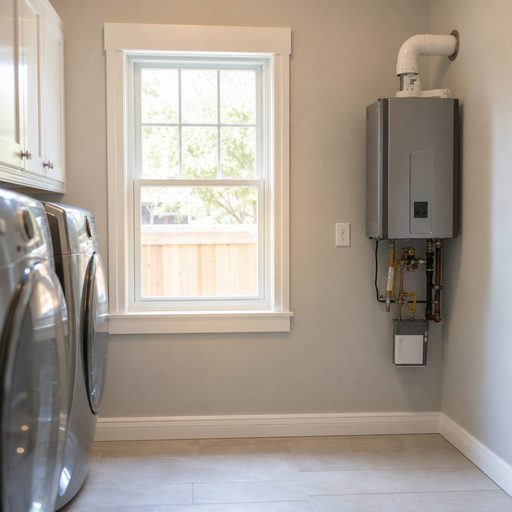
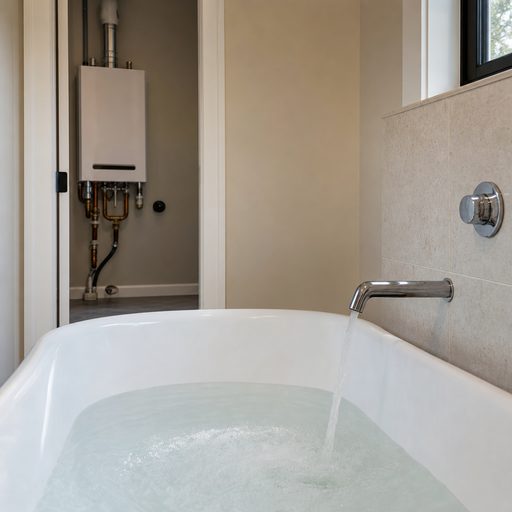
Where the unit goes significantly affects installation labor and future maintenance. Ideally, tankless water heaters are installed close to where hot water is needed most—in some homes, this might be in a utility room, basement, or garage. This minimizes piping runs, heat loss, and wait times. However, the unit must be accessible for servicing, with enough clearance for removal, venting, and code-mandated air flow.
Outdoor-rated units offer an option in warmer climates, freeing up indoor space and simplifying venting. If you want to move your water heater to a new location in the home, expect added labor for rerouting pipes, gas, and electrical lines. Local codes and manufacturer guidelines dictate the minimum clearances and acceptable installation locations.
Consult with a pro early
An experienced plumber or electrician can help you identify the best spot for your tankless unit—shortening hot water wait times and minimizing installation disruption. Their assessment may uncover challenges or cost drivers before work begins.
Understanding Labor and Permit Considerations
Much of the expense in tankless installation is skilled labor. Licensed plumbers and electricians charge based on the project’s scope—the amount and complexity of gas, water, and electrical work, as well as the difficulty accessing the installation site. Simple swaps take less time, but upgrades or installations in tight areas, finished walls, or over long distances add hours and material costs.
Permitting is required in almost all jurisdictions for hot water heater installations. The city or county permit fee often covers both pre-work plan approval and post-installation inspection. Passing inspection ensures your new water heater meets all safety and code requirements. Failing to properly permit and document the installation can lead to fines or require rework if you ever sell the home.
- Inspection and permit fees (check local requirements)
- Removal and disposal of old water heater (often billed separately)
- Warranty registration and paperwork (may require contractor sign-off)
Planning for Long-Term Maintenance and Efficiency
Besides installation costs, consider upkeep. Tankless water heaters generally require annual descaling—especially in areas with hard water—to maintain efficiency and prevent premature damage to parts like the heat exchanger, a critical internal component. Many manuals (for example, from Rheem or Navien) recommend routine maintenance by a qualified service provider to maintain warranty coverage.
Getting and Comparing Install Quotes
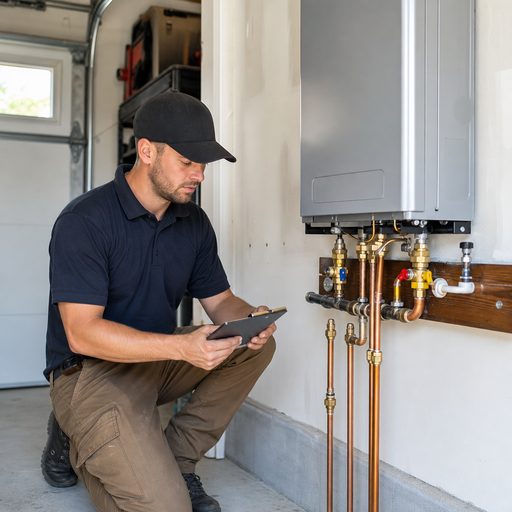
Given all these moving parts, the only reliable way to get an accurate price for tankless water heater installation is with an in-person quote from a qualified professional. They can identify required upgrades—like a larger gas supply, expanded venting, or additional electrical breakers—based on your home's specifics and the planned unit. Ask for a written, itemized estimate breaking out costs for the heater, labor, venting, any lines or panels, and permit fees.
Comparing several quotes can highlight which installers are most thorough and transparent. Be wary of suspiciously low bids that leave out necessary code upgrades or permitting—they often lead to surprise expenses or failed inspections later. If you’re still on the fence between tankless and tank-style models, a water heater installation professional can explain the tradeoffs. For more details, see our guides on Is a Tankless Water Heater Worth It? Benefits and Drawbacks and What to Expect During a Tankless Water Heater Installation.
Does every tankless water heater installation require new gas lines or electrical upgrades?
Not always, but it’s common. Gas tankless heaters need a large enough line to supply high BTUs on-demand, while electric models often require dedicated circuits and more amperage than a conventional tank model. A site visit from a pro is the only way to know for sure in your home.
How long does it take to install a tankless water heater?
Simple replacements can sometimes be done in one day, but more complex jobs—such as those involving extensive rerouting of gas or vent pipes, or electrical panel upgrades—may take longer. Timeline depends entirely on the scope of supporting work your home requires.
Can I install a tankless water heater myself?
Due to the complexity of gas, electrical, and venting code requirements, and the safety risks involved, self-installation is not recommended. Most manufacturers require professional installation for warranty coverage, and most areas require a licensed plumber or electrician to pull permits and perform the work.
Sources and further reading
These references support material safety, technical, consumer, or planning guidance in this article. Confirm property-specific requirements with the applicable authority and professional.
- U.S. Department of Energy - Water heating
- U.S. Department of Energy - Water-heater selection guide
- NSF - Safety of PEX plumbing products
- NSF - Faucets and plumbing products
- U.S. Geological Survey - Hardness of water
- U.S. Geological Survey - Water corrosivity
- National Association of Insurance Commissioners - Homeowners insurance