 Plumbing Advisors Editorial TeamEditorial StandardsUpdated June 12, 2026Source-Checked
From the outside, replacing a water heater can look like a quick swap: lift the old unit out, set the new one in, reconnect, and walk away. In practice there is more to it, and much of what happens is about doing the job safely and to code rather than just getting hot water flowing again. A proper replacement usually involves a permit, an inspection, and a handful of code-driven details that protect your home and the people in it. Understanding what the process actually involves helps you know what to expect, ask better questions, and recognize when corners are being cut on a job that should not be rushed.
Why a Permit Usually Matters
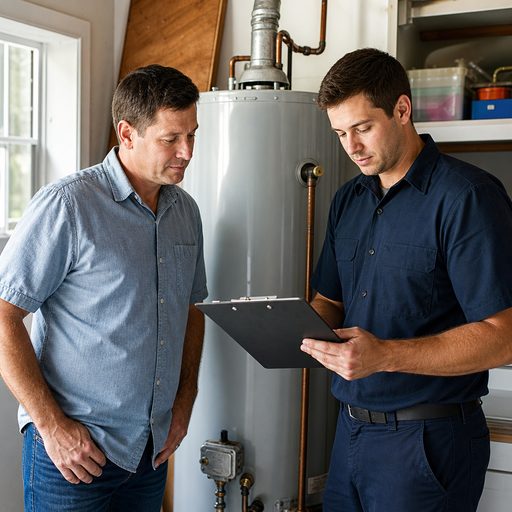
Most areas require a permit to replace a water heater, and that requirement exists for good reasons rather than red tape. A permit brings an inspection, which is an independent check that the gas connection, venting, electrical work, and safety devices were installed correctly. That protects you from a hazard you might never notice on your own, such as improper venting that could allow carbon monoxide into the home. A permitted, inspected installation also keeps your setup in line with code, which can matter for your home insurance and when you eventually sell. Skipping the permit to save a little time or money can leave you with unsafe work and headaches down the road.
What a Replacement Install Involves
A thorough replacement follows a sequence of steps, each of which a professional handles as part of the job. The list below outlines what typically happens from start to finish so you know what a complete installation looks like.
- Shutting off and draining. The water and the gas or electrical supply to the old unit are safely shut off, and the tank is drained before removal.
- Removing and hauling away the old unit. The old heater is disconnected and taken away for disposal as part of the work.
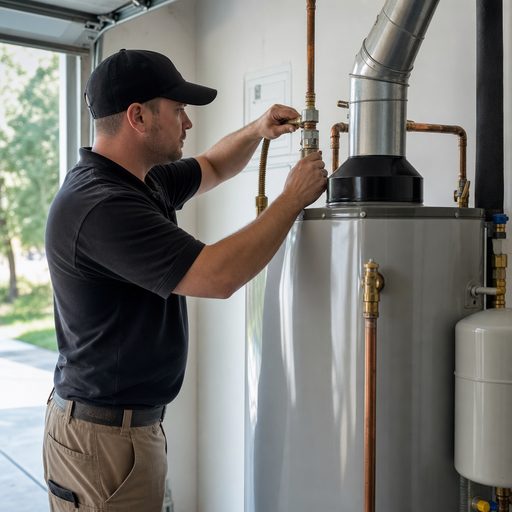
- Setting and connecting the new unit. The new heater is positioned, leveled, and connected to the water lines and to the gas line or electrical circuit.
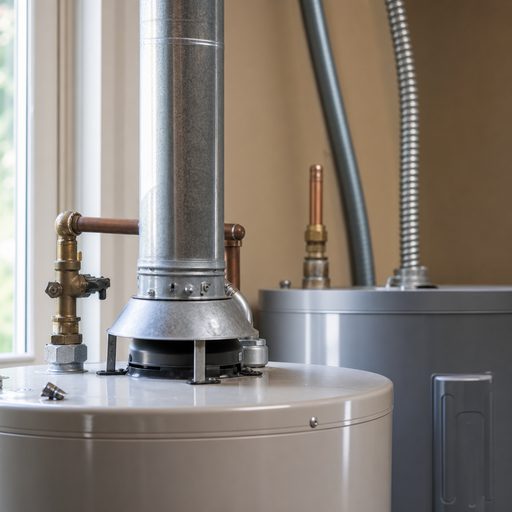
- Handling venting and safety devices. On a gas unit the venting is connected correctly, and code items such as an expansion tank, a drain pan, a temperature and pressure relief discharge line, or seismic strapping are added as required.
- Testing and inspection. The installation is filled, checked for leaks, and tested, and where a permit applies, an inspector verifies the work meets code.
Ask about the permit before work starts
When you gather estimates, ask each professional whether the job will be permitted and inspected and whether that is included in the price. A reputable pro will pull the proper permit as a matter of course. If someone suggests skipping it, treat that as a warning sign rather than a convenience.
What Stays a Job for Professionals
Even handy homeowners should leave a water heater replacement to qualified professionals, and not only because of the permit. The job touches gas lines, venting, and electrical connections, any of which can be dangerous when handled incorrectly, with consequences ranging from gas leaks and carbon monoxide to fire and water damage. There are safe things you can do to prepare, such as clearing the area around the unit, knowing where your main water shutoff is, and noting the model and capacity of the old heater. But the disconnection, the connections, the venting, and the code work all belong with a professional. If you ever smell gas, leave the home and call your gas utility's emergency line from a safe distance rather than investigating yourself.
When to Call a Professional
Because a replacement involves permits, code compliance, and connections with real safety stakes, it is a job for a professional from the start. Water heater replacement service can pull the necessary permit, handle the removal and installation correctly, and see the work through inspection, while a professional water heater installation ensures the venting, supply connections, and safety devices all meet code. To plan the budget for the project, our guide on how much water heater replacement costs lays out what drives the price, and to understand how your fuel choice affects the venting and hookups involved, our guide on gas versus electric water heaters is a helpful companion read.
Sources and further reading
These references support material safety, technical, consumer, or planning guidance in this article. Confirm property-specific requirements with the applicable authority and professional.
- MedlinePlus - Drain cleaner poisoning
- U.S. EPA - Household hazardous waste
- U.S. Department of Energy - Water heating
- U.S. Department of Energy - Water-heater selection guide
- CDC - Carbon monoxide
- U.S. Consumer Product Safety Commission - Carbon monoxide alarms
- National Association of Insurance Commissioners - Homeowners insurance