 Plumbing Advisors Editorial TeamEditorial StandardsUpdated June 6, 2026Source-Checked
A tankless water heater installation is more involved than swapping one storage tank for another, and knowing how the process unfolds helps you plan the day and understand what you are paying for. Because a tankless unit often needs supporting work, new venting, an upsized gas line, or added electrical capacity, the job is part installation and part preparing your home to feed the heater. The exact steps vary with your fuel type and your starting point, but most professional installs follow a recognizable arc from assessment to testing. Here is what that typically looks like so there are no surprises when the crew arrives.
Before the Work Begins
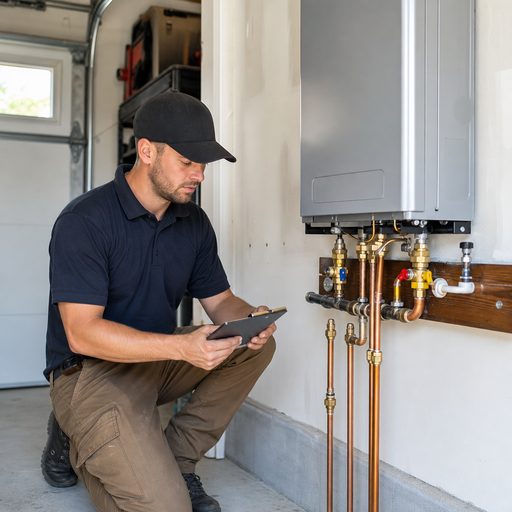
A good installation starts well before any tools come out. A professional will assess your home to confirm the right unit for your demand and climate, check what your gas, venting, or electrical setup can support, and identify any upgrades the chosen heater requires. This is also when sizing is confirmed so the unit keeps up with your peak hot water use. Most areas require a permit for water heater work, and a reputable pro handles that and schedules the inspection, which protects you and ensures the job meets local code. A clear, itemized estimate should come out of this stage before anything is installed.
Installation Day, Step by Step
On the day itself, the work generally moves through a predictable sequence. The pace depends on how much supporting work your home needs, but the order is fairly consistent.
- Shutting off and removing the old unit: The water, and gas or power, are shut off and the existing heater is drained and removed, freeing up the space.
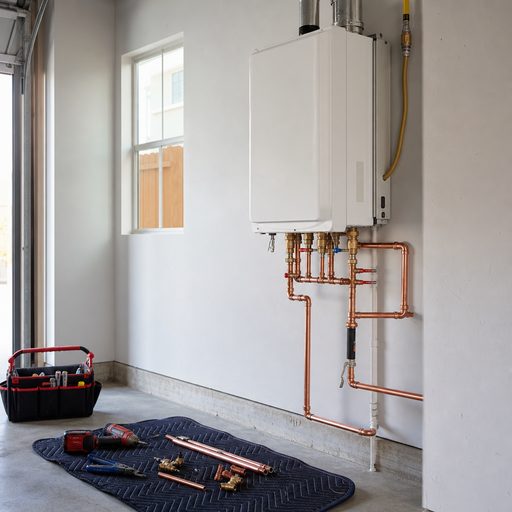
- Preparing the connections: The professional adds or upgrades what the tankless unit needs, which may include venting, a resized gas line, or a dedicated electrical circuit.
- Mounting the unit: The compact tankless heater is secured to the wall in its chosen location, often reclaiming the floor space a tank used.
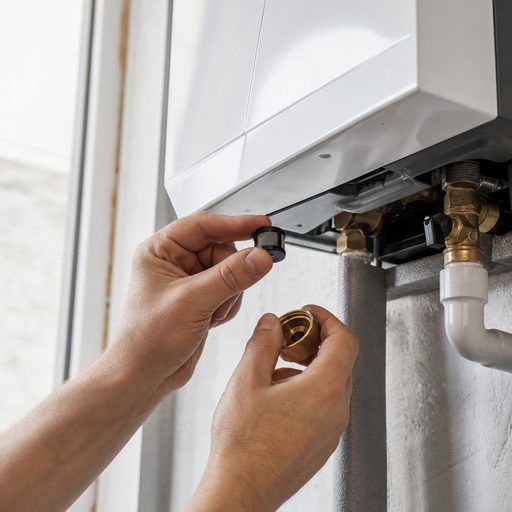
- Making the connections: Water lines, and the gas or electrical supply, are connected, and the venting is finished for a gas unit.
- Testing and startup: The unit is filled, started, and checked for leaks and proper operation, and the temperature is set so you get steady hot water.
- Inspection and walkthrough: Where required, the work is inspected, and the pro explains how to operate and maintain your new heater.
Plan for a longer job than a tank swap
Because a tankless install often includes venting, gas, or electrical work, it usually takes longer than a simple tank replacement, sometimes most of a day. Ask your professional for a realistic time estimate up front so you can plan around the hot water being off, and clear access to the install area before they arrive.
After the Install
Once the unit is running and tested, the professional should walk you through the basics: how to set the temperature, what the indicator lights or display mean, and how to care for the heater over time. Tankless units benefit from periodic descaling, especially in hard water areas, to keep performing at full output, so it is worth asking about a maintenance schedule before the crew leaves. Keep the paperwork from the install, including the permit and inspection records and the unit's warranty information, since you may need them later. With the setup done correctly, you should have a continuous supply of hot water and a unit positioned to last for many years.
When to Call a Professional
A tankless installation is professional work from start to finish, because the venting, gas, and electrical connections all carry safety stakes and must meet code. A tankless water heater installation service handles the assessment, permits, supporting upgrades, and safe connections, and a broader water heater installation pro can also compare a tankless unit against a tank if you are still deciding. To understand the costs behind each step, see our guide on what tankless installation costs, and to keep your new unit performing, our guide on tankless maintenance and descaling is the natural next read.
Sources and further reading
These references support material safety, technical, consumer, or planning guidance in this article. Confirm property-specific requirements with the applicable authority and professional.