 Plumbing Advisors Editorial TeamEditorial StandardsUpdated June 5, 2026Source-Checked
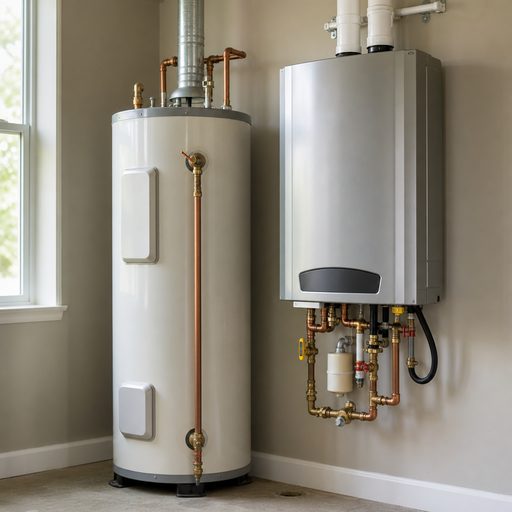
When you replace a water heater, choosing the right size is just as important as choosing the right type. A unit that is too small leaves your household running out of hot water during busy mornings, while one that is too large costs more to buy and wastes energy keeping water hot that you never use. Many people simply match whatever was there before, but your needs may have changed, and the old unit may have been the wrong size to begin with. Understanding how sizing is figured for both tank and tankless heaters helps you have a productive conversation with a professional and end up with a replacement that fits how your home actually uses hot water.
Sizing a Storage Tank
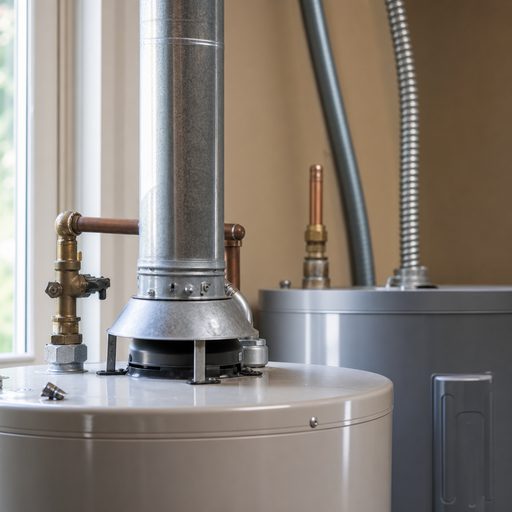
Tank water heaters are sized in gallons, but the number that really matters is not the total capacity so much as how much hot water the unit can deliver during your busiest stretch of the day, sometimes called the first-hour rating. The idea is to match that delivery to your peak demand, the morning or evening window when showers, laundry, and the dishwasher might overlap. A household of one or two has very different needs from a family of five, and homes with large soaking tubs or simultaneous showers need more capacity than the headcount alone suggests. A tank that comfortably covers your peak hour without being wildly oversized is the goal.
Sizing a Tankless Unit
Tankless heaters are sized differently, because they never run out; instead, they are limited by how much hot water they can produce at once. That capacity is described as a flow rate, usually in gallons per minute, and it depends partly on how cold the incoming water is, since a unit has to work harder to heat very cold water to the temperature you want. Sizing a tankless replacement means estimating how many fixtures might run hot at the same time, adding up their flow, and choosing a unit that can keep up with that simultaneous demand in your local climate. In colder regions, the same unit delivers less hot water per minute than it would where the groundwater is warmer.
- Count the people. More people generally means more total hot water use across the day.
- Identify your peak window. Think about when demand stacks up, such as several morning showers close together.
- List simultaneous fixtures. Estimate how many showers, sinks, or appliances might draw hot water at the same time, which matters most for tankless sizing.
- Account for big draws. Large soaking tubs and high-flow showerheads raise the capacity you need.
- Consider your climate. Colder incoming water reduces a tankless unit's output, so location affects the right size.
Bigger is not automatically better
Oversizing a water heater costs more up front and, with a storage tank, wastes energy keeping extra water hot that you rarely use. The aim is a unit matched to your real peak demand, not the largest one available. A professional can run the numbers for your household so you neither run short nor overpay.
Why the Old Size Is Not Always the Right Size
It is tempting to replace a forty-gallon tank with another forty-gallon tank and be done with it, but the unit coming out may never have fit your household well. Maybe your family has grown, you added a bathroom, or the old heater always seemed to run short. On the other hand, if the children have moved out, you may be heating far more water than you now need. A replacement is the natural moment to right-size, and pairing the correct capacity with the correct fuel and format gives you the best combination of comfort and efficiency. This is exactly the kind of judgment a professional makes every day.
When to Call a Professional
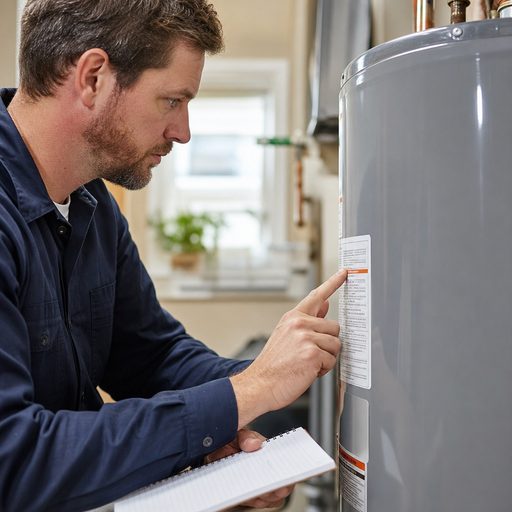
Sizing a replacement correctly is part calculation and part experience, which is why it is worth professional input. Water heater replacement service can evaluate your household's peak demand, your fixtures, and your climate, then recommend a tank capacity or tankless flow rate that fits, and a professional water heater installation makes sure the chosen unit is set up to perform as intended. If you are still deciding between formats, our comparison of tank and tankless for a replacement pairs naturally with sizing, and because fuel choice affects both performance and installation, our guide on gas versus electric water heaters is a useful next step.
Sources and further reading
These references support material safety, technical, consumer, or planning guidance in this article. Confirm property-specific requirements with the applicable authority and professional.