
Water Heater Installation
Water Heater Installation in Tennessee
A clear water heater installation request in Tennessee identifies which fixtures may use hot water together and where the equipment can be safely installed. The professional can then inspect the system, explain the options, and confirm which state or local requirements apply to the address and scope.
Plumbing Advisors provides guidance and connection assistance. Independent providers perform the plumbing work and confirm availability, pricing, timing, and credentials.
On this pageOverview
 Plumbing Advisors Editorial TeamEditorial StandardsSource-Checked
Water Heater Installation across Tennessee
A clear water heater installation request in Tennessee identifies which fixtures may use hot water together and where the equipment can be safely installed. The professional can then inspect the system, explain the options, and confirm which state or local requirements apply to the address and scope.
Installation should follow manufacturer requirements and applicable permit, fuel, venting, electrical, and plumbing rules.
When water heater installation may fit
- Your water heater is old or repeatedly failing
- The tank is leaking or rusted
- You frequently run out of hot water
- You want to upgrade to a tankless or larger unit
Causes or scope drivers to inspect
- A tank that has reached the end of its life
- Recurring repairs that no longer make sense
- Household hot water demand has outgrown the unit
- Corrosion or a leaking tank
- A desire for greater efficiency
Comparing a water heater installation quote
For water heater installation in Tennessee, compare itemized quotes for the same inspected scope. Access, testing, equipment or parts, permits, restoration, and urgency can affect the final price.
Typical water heater installation costs
| Project | Typical cost range |
|---|---|
| 40-gallon tank, installed | $1,100–$2,675 |
| 50-gallon tank, installed | $1,275–$3,075 |
Labor costs
| Labor | Typical cost range |
|---|---|
| Labor to install a tank unit | $450–$1,375 per unit |
Additional project costs
| Additional work | Typical cost range |
|---|---|
| Permit | $50–$530 |
| Gas or electrical line upgrade | $550–$3,600 |
| Expansion tank | $110–$430 |
Additional per-item costs
| Additional item | Typical cost range |
|---|---|
| Removal and haul-away of old unit | $85–$350 per unit |
Cost ranges are estimates developed from standardized project scopes and reviewed pricing inputs. Government labor and regional cost data are used where applicable. See our Pricing Methodology for the exact sources, calculations, and review date. Actual prices vary by property, scope, materials or equipment, location, and provider.
What affects the cost
- Whether you choose a tank or tankless unit and its capacity
- The fuel type and any venting the unit needs
- Plumbing, gas, or electrical updates required for the new unit
- Removal and disposal of the old water heater
- Permit and code requirements in your city, county, or state
- How difficult the install location is to access
- Local labor rates in your area
State guidance for Tennessee
For water heater installation in Tennessee, prepare delivery path, clearances, utilities, venting, condensate or drain path, and inspection access. Confirm the inspected scope, credentials, permits, inspections, exclusions, and restoration responsibility before authorizing work.
Credential verification
Plumbing is regulated by the Tennessee Board for Licensing Contractors, part of the Department of Commerce & Insurance, which has overseen contractors since 1931. A state contractor license (with the proper masonry/mechanical-plumbing classification) is required for any project of $25,000 or more, including materials and labor.
For plumbing projects under $25,000, Tennessee offers a Limited Licensed Plumber (LLP) license issued to the individual who passes the LLP trade exam; general maintenance under $500 is exempt. The LLP is only accepted in certain cities and counties, so always verify the license — and whether your area recognizes it — with the Board and your local government.
Permits and inspections
Permit and inspection requirements are set locally and vary by city and county. Some Tennessee municipalities use the state Division of Fire Prevention for plumbing permits and inspections, while larger cities and counties run their own building departments with their own rules on who may pull a permit. Always check with your local building or codes department before work begins.
Relevant water context
Water hardness in Tennessee depends heavily on the source. Cities that treat surface water — such as Nashville (Cumberland River) and Memphis (its aquifer system) — tend toward soft to moderately hard water, while groundwater drawn from the state's limestone and dolostone karst can be noticeably harder. Where water is hard, mineral scale builds up in pipes, fixtures, and water heaters over time.
What to expect
- 1Assess your hot water needs and current setup
- 2Choose between tank and tankless and the right size
- 3Connect with a plumbing professional that services your area
- 4Have the old unit safely removed
- 5Install and connect the new unit properly
- 6Test for safe operation and consistent hot water
Safe checks before the visit
- Note your current unit type, size, and fuel source
- Consider how much hot water your household needs
- Check the space and venting available for the new unit
- Gather any warranty or model information you have
Water Heater Installation by city in Tennessee
Water Heater Installation in Tennessee: FAQs
How do I prepare for water heater installation in Tennessee?
Document which fixtures may use hot water together and where the equipment can be safely installed and prepare delivery path, clearances, utilities, venting, condensate or drain path, and inspection access. Ask the professional to confirm the inspected scope, credential, permit responsibility, and exclusions in writing.
Does Tennessee guidance diagnose my water heater installation problem?
No. State information helps with credential, permit, and planning questions. The cause, responsibility, and repair or project scope still need to be confirmed for the specific property.
How long does water heater installation take?
A straightforward tank replacement is often completed in a few hours, while tankless conversions can take longer if venting, gas, or electrical changes are needed. Your installer can give a time estimate for your setup.
Should I switch to a tankless water heater?
Tankless units save space and provide continuous hot water but cost more upfront and may need venting or gas changes. Whether the long-term value fits your home depends on your usage, which a professional can assess.
What size water heater do I need?
Sizing depends on your household's hot water demand and the unit type. A professional can recommend the right capacity so you are not paying for unused size or running short on hot water.
Do you remove the old water heater?
Proper installation typically includes safely disconnecting and removing the old unit and connecting the new one. Confirm removal and disposal are included when you get a quote.
Sources
These public and primary references support the state, safety, credential, permit, equipment, or efficiency guidance used here. They do not diagnose a specific property.
- U.S. Department of Energy - Home energy checklist
- U.S. Department of Energy - Water heating
- CDC - Returning home after a natural disaster
- Tennessee Board for Licensing Contractors (licensing authority)
- Tennessee Dept. of Commerce & Insurance — Limited Licensed Plumber (LLP)
- Tennessee TEMA — geologic hazards (karst, sinkholes)
- Tennessee H2O — groundwater & karst aquifers (TDEC)
Water Heater Installation guides
Learn before planning water heater installation in Tennessee.
Read related problem, scope, cost, and planning guidance before comparing options.
Can a Tankless Water Heater Fill a Bathtub?
What Size Water Heater Do I Need?
What to Expect During a Tankless Water Heater Installation
Permits and What a Water Heater Replacement Involves
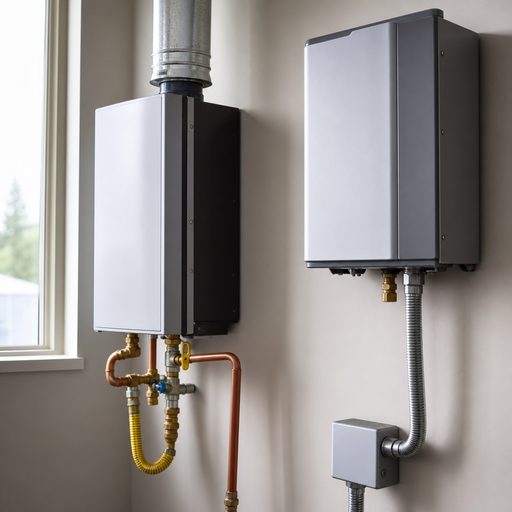
Gas vs. Electric Tankless Water Heaters: What Your Home Needs
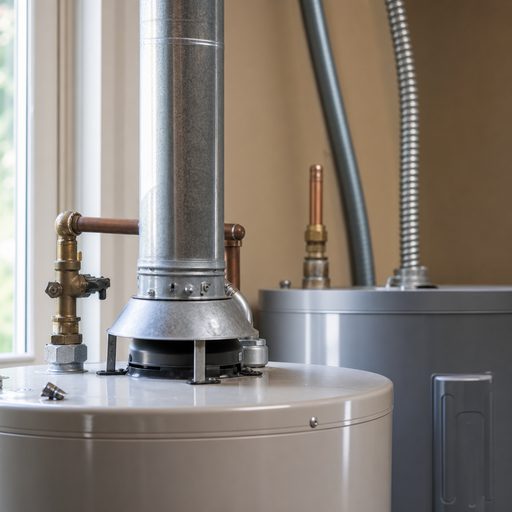
Gas vs. Electric Water Heaters: What to Know Before Replacing
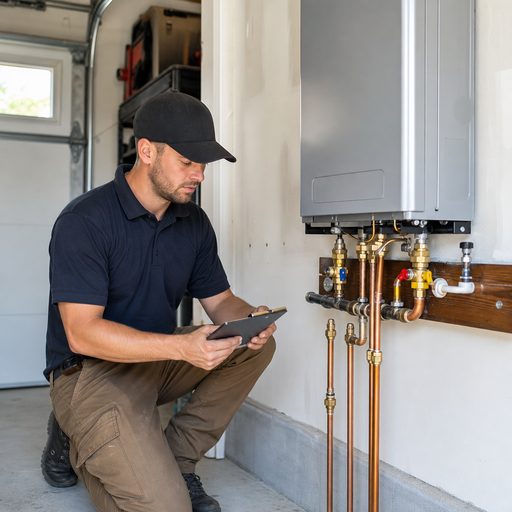
How Much Does Tankless Water Heater Installation Cost?
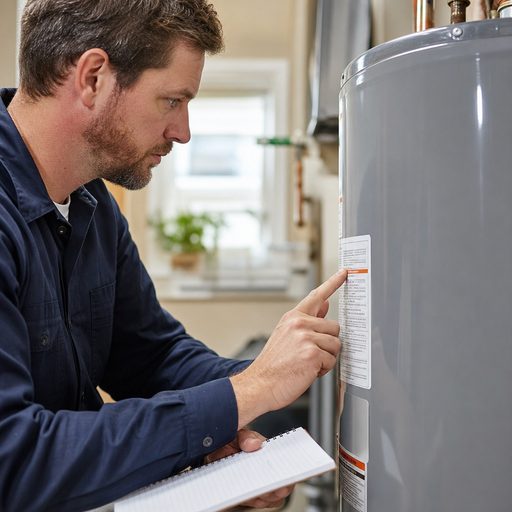
How to Size a New Water Heater for Your Home
How Long Do Water Heaters Last?
Need Plumbing Help Now?
Call Plumbing Advisors to connect with help for leaks, drains, water heaters, sewer lines, burst pipes, toilets, faucets, and more.
No-obligation request · Availability varies by location and provider