 Plumbing Advisors Editorial TeamEditorial StandardsUpdated May 28, 2026Source-Checked
When a drain clogs, one of the first decisions you face is whether to deal with it right now or wait until normal business hours. The answer genuinely depends on the situation, because a single slow sink and a whole-home backup are very different problems with very different stakes. Calling for emergency service when a clog could safely wait may cost you more than necessary, while waiting on a true emergency can lead to property damage and a health hazard. Learning to tell the two apart helps you respond appropriately and avoid both overreacting and underreacting.
Clogs That Usually Can Wait
Many clogs are contained, low-risk problems that do not require an after-hours call. If a single fixture is slow or stopped while every other drain in the home works normally, the blockage is almost certainly isolated to that one drain. You can stop using that fixture, try a few safe steps, and schedule service at a convenient time without any real risk to your home. The signs below generally indicate a clog that can wait for a regular appointment.
- Only one sink, tub, or shower is affected while the rest drain normally.
- There is no overflow, and water eventually drains rather than sitting indefinitely.
- You can simply stop using the one slow fixture until help arrives.
- There are no sewage odors and no backups in other drains.
- A plunger or cleaning the stopper improves the flow even partly.
When a Clog Is a Real Emergency
Other situations call for prompt help, because the risk of damage or contamination rises quickly. The common thread is wastewater entering your living space or having nowhere safe to go. If you see any of the signs below, treat the clog as urgent and stop running water until it is resolved, since each flush or faucet only adds to the problem.
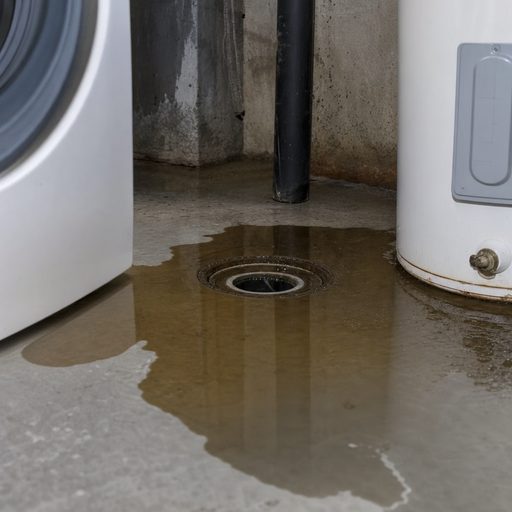
- Sewage or wastewater is backing up into a tub, shower, sink, or floor drain.
- Multiple fixtures are clogged or backing up at the same time.
- A toilet overflows and you cannot stop water from rising.
- Using one fixture makes another gurgle, bubble, or overflow.
- A strong sewage odor is spreading through the home.
- The only toilet in the home is unusable and cannot be cleared.
Sewage backups are a health hazard
Wastewater backing up into your home is not just messy; it carries bacteria and contaminants that pose a real health risk. Keep people and pets away from the affected area, avoid contact with the water, and do not try to clear a main-line backup with chemical drain cleaner, which cannot fix it and only adds caustic liquid to the mess. Call a professional promptly.
What to Do While You Decide
Whether or not the clog rises to an emergency, a few safe actions help limit the damage. Stop using the affected fixture, and if more than one drain is involved, stop running water throughout the home entirely. Know where your main water shutoff is in case a fixture threatens to overflow. Move valuables and rugs away from any area where water could spread, and keep the space ventilated. These simple steps buy you time and reduce damage while you arrange the right level of service.
When to Call a Professional
If wastewater is backing up, multiple fixtures are involved, or your only toilet is out of service, reach out for help right away rather than waiting. A clogged drain service can clear an urgent blockage, and if a camera reveals that roots or a damaged pipe caused a main-line backup, sewer line repair may be the lasting fix. To recognize the most serious pattern early, see our guide on why multiple drains clogged at once point to your main line, and to understand the costs involved before you call, read what it costs to clear a clogged drain.
Sources and further reading
These references support material safety, technical, consumer, or planning guidance in this article. Confirm property-specific requirements with the applicable authority and professional.