 Plumbing Advisors Editorial TeamEditorial StandardsUpdated July 5, 2026Source-Checked
A sewer cleanout is an access point on your home’s main drain or sewer line that lets a plumber inspect, clear, and service the pipe without removing a toilet or cutting into plumbing. It is usually a capped pipe found outside near the foundation, in a yard near the property line, or sometimes in a basement or crawl space.
What does a sewer cleanout do?
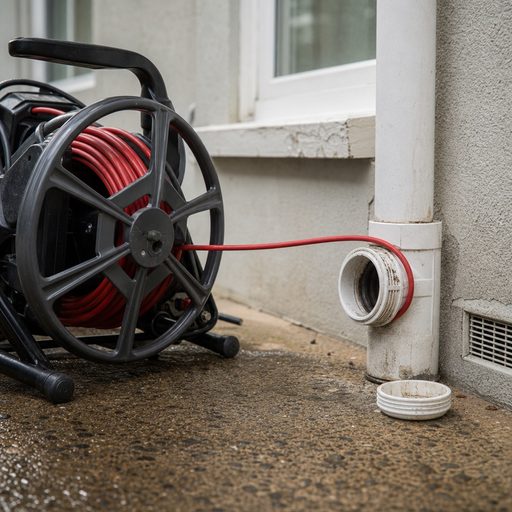
The cleanout gives direct access to the main line that carries wastewater from the house to the municipal sewer or septic system. When that line clogs, a plumber can remove the cap and run a cable or inspection camera into the pipe. That makes it much easier to locate a blockage, check pipe condition, and decide whether the issue needs Drain Cleaning, Sewer Camera Inspection, or Sewer Line Repair.
Without a usable cleanout, access is harder. A plumber may need to work through an indoor drain opening or remove a toilet to reach the line. That can add time, increase disruption, and limit the path for tools. A proper cleanout does not prevent every sewer problem, but it makes diagnosis and service much more straightforward when a main line backs up or drains slowly throughout the house.
Where do you usually find a sewer cleanout?
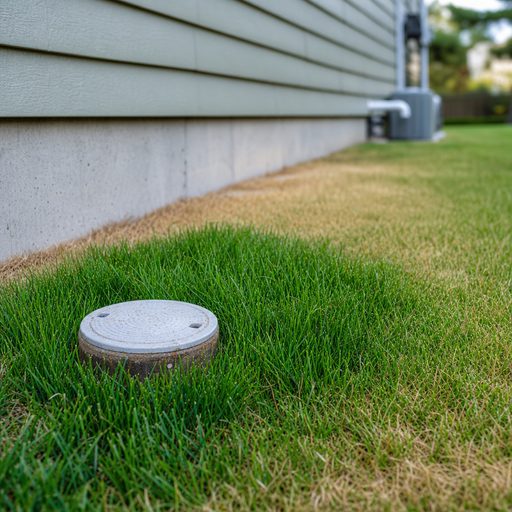
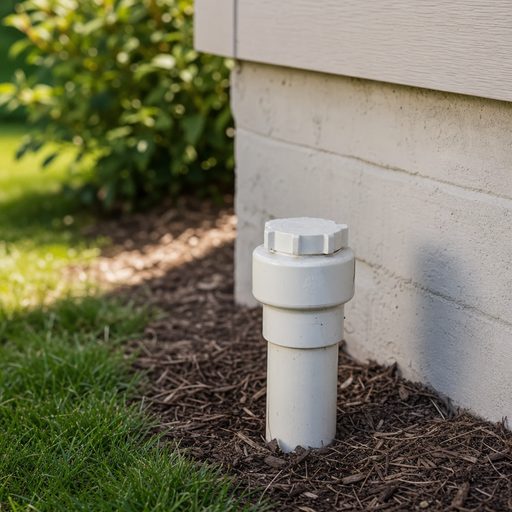
Many homes have a cleanout just outside the house, often close to the bathroom wall or where the main drain exits the foundation. It may look like a short white or black plastic pipe with a threaded cap, or an older metal fitting with a square or raised plug. In some yards, the cleanout sits near the property line, sometimes inside a small ground box or slightly above grade.
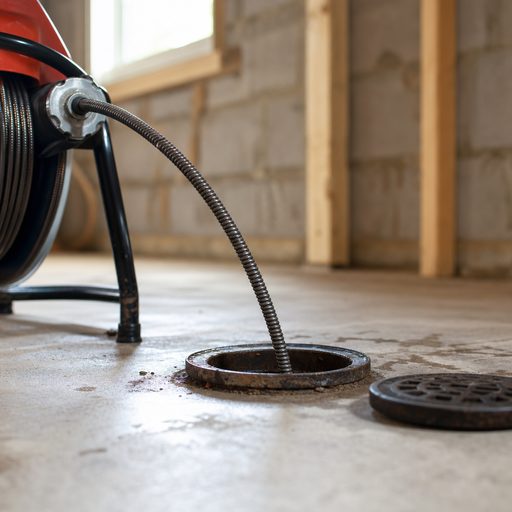
Older homes may have an indoor cleanout in a basement, utility room, garage, or crawl space. In some layouts there can be more than one, especially where the building drain changes direction or where separate branches connect. If you are not sure which access point serves the main sewer line, a plumber can trace it during How a Sewer Camera Inspection Works and confirm which opening reaches the house sewer.
- Outside near the foundation, often close to a bathroom or utility area
- In the yard between the house and street connection
- Near the property line inside a small utility box or sleeve
- In a basement, crawl space, garage, or utility room on older homes
- As a white or black PVC cap, or an older cast-iron or brass cleanout plug
Why does a sewer cleanout matter when there is a clog?
A main sewer clog affects the whole house differently than a simple sink or tub blockage. You may notice multiple drains slowing at once, a toilet bubbling when another fixture runs, or wastewater backing up into a lower shower or floor drain. Those are common Signs of a Sewer Line Problem, and a cleanout is one of the safest and most efficient ways for a plumber to investigate what is happening in the main line.
It also matters because access influences the kind of work that makes sense. A clog caused by grease or paper buildup may call for cleaning, while root intrusion, a sag, or broken pipe may point toward repair. That is one reason homeowners often compare Drain Cleaning vs. Sewer Line Cleaning after a backup. The cleanout itself is not the fix, but it is the access point that helps a pro choose the right one.
What if your home does not seem to have a cleanout?
Some older homes do not have an exterior cleanout, and some do have one but it is buried by landscaping, mulch, a patio edge, or years of soil buildup. If you cannot find it, check around the foundation, especially near bathrooms, kitchens, and utility areas, and look for a capped pipe sticking a few inches above ground. Indoors, look in unfinished spaces where the main drain line is visible.
If no cleanout is accessible, a plumber may still be able to inspect and clear the line through another opening, but long term it is often worth discussing whether adding or restoring a proper cleanout makes future service easier. That can be especially helpful if the property has a history of recurring backups, roots, or old sewer piping. A camera inspection can often confirm the line path before any access improvements are planned.
Do not open a cleanout during an active backup
If sewage is already standing in fixtures or backing up into the home, opening the cap can release wastewater under pressure at the cleanout location. That creates a mess and a health risk. Keep people and pets away from affected areas and have a plumber handle it.
When should you call a plumber about the cleanout?
Call when several fixtures are draining slowly, when toilets gurgle, when a lower-level shower or floor drain backs up, or when you suspect the cleanout cap is damaged, leaking, or buried. A stuck or cracked cap can make future service harder and may let debris enter the access point. If the line has backed up before, it is smart to have the cleanout located and checked before the next emergency happens.
A plumber may recommend Sewer Camera Inspection to identify roots, scale, bellies, offsets, or breaks inside the line. From there, the next step might be Drain Cleaning for a blockage or Sewer Line Repair if the pipe itself is failing. If you are mainly trying to understand project scope, ask what is causing the obstruction, whether the cleanout is usable, and whether access conditions are likely to affect the work needed.
Is a sewer cleanout the same thing as a drain cleanout?
Not always. A drain cleanout can refer to an access point on a branch drain inside the house, such as a kitchen or bathroom line. A sewer cleanout usually means access to the main building drain or sewer line that serves the whole home. The location and pipe size help distinguish them.
Can a sewer cleanout be buried?
Yes. Cleanouts often end up covered by soil, mulch, grass, stone, or landscaping over time. That does not mean it was installed incorrectly, but it does make emergency access harder. If you know where it is, keeping it visible and reachable can save time when a plumber needs to inspect or clear the main line.
What does a sewer cleanout cap look like?
Most modern cleanouts have a round threaded cap on white or black plastic pipe, often a few inches wide. Older homes may have a metal plug with a square nut or raised center for a wrench. Some are flush with the ground inside a protective box, while others stick up slightly above the surface.
Does every house have a sewer cleanout?
No. Many newer homes do, but some older homes may not have an exterior cleanout, or the existing one may be hidden or inaccessible. Even when a cleanout exists, there can be confusion about which opening serves the main line. A plumber can locate the correct access point and explain whether adding one would improve future service access.
Sources and further reading
These references support material safety, technical, consumer, or planning guidance in this article. Confirm property-specific requirements with the applicable authority and professional.