 Plumbing Advisors Editorial TeamEditorial StandardsUpdated May 22, 2026Source-Checked
A single slow drain is usually a minor, isolated annoyance. But when several drains slow down or back up at the same time, the picture changes completely. Multiple fixtures misbehaving together is one of the clearest warning signs in home plumbing, and it almost always points to a blockage in the main line that carries waste away from your entire home. Recognizing this pattern early matters, because continuing to run water can force sewage up into your living space. Understanding why it happens helps you respond quickly and describe the problem accurately when you call for help.
Why One Blockage Affects Many Drains
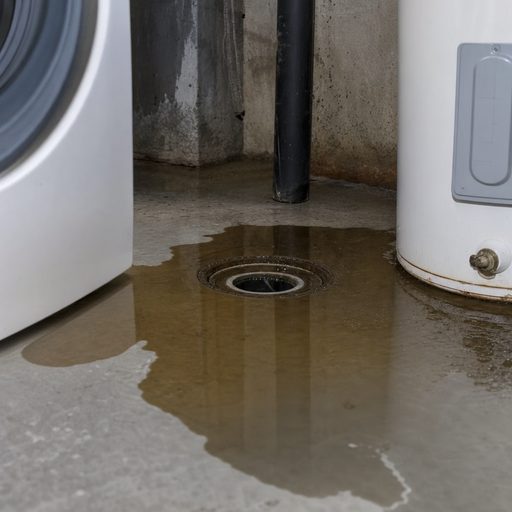
Every sink, tub, shower, and toilet in your home eventually empties into a single large pipe, the main sewer line, that carries waste to the municipal sewer or your septic system. When a clog forms in that shared line, it does not affect just one fixture. It blocks the path for all of them, so wastewater backs up and looks for the lowest available exit. That is why the trouble often appears first at the lowest drains in the house, such as a basement floor drain or a ground-floor tub, even if the clog itself is further along the line.
The Telltale Signs of a Main-Line Clog
A main-line blockage tends to announce itself through how the fixtures interact with one another. The classic clue is that using one fixture causes a reaction somewhere else, because the trapped water and air have nowhere proper to go. If you notice the patterns below, treat the situation as a likely main-line clog rather than a problem with any single drain.
- Several fixtures drain slowly or back up at roughly the same time.
- Flushing a toilet makes a nearby tub or shower gurgle or fill with water.
- Running a sink or the washing machine causes another drain to bubble or overflow.
- The lowest drains in the home, like a basement or floor drain, back up first.
- A sewage odor rises from more than one drain at once.
- A toilet's water level rises or drops when you use a different fixture.
Stop running water and skip the chemicals
If multiple drains are backing up, stop using water throughout the home, since every flush or faucet adds to a backup that has nowhere to go. Do not pour chemical drain cleaner into the line; it cannot clear a main-line clog, and it leaves caustic liquid pooled in your pipes for a plumber to encounter. Call a professional promptly.
Common Causes Behind a Main-Line Clog
A main-line blockage usually has a different cause than a simple fixture clog. Tree roots are a frequent offender, working their way into pipe joints in search of moisture and gradually catching debris until the line chokes. Years of grease, sludge, and flushed wipes can also accumulate into a dense obstruction, and older clay or cast-iron pipes can sag, crack, or corrode in ways that trap waste. Because these causes sit deep in the system and often require a camera to confirm, a main-line clog is not something a homeowner can clear safely, and the right fix depends on what is actually blocking the pipe.
When to Call a Professional
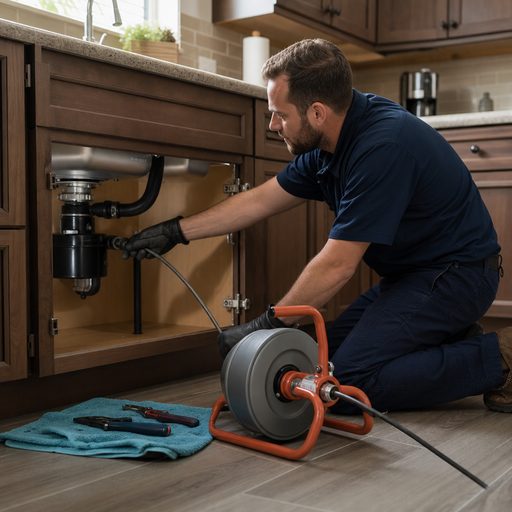
Multiple drains clogged at once is a situation to act on quickly. A clogged drain service can access a main cleanout and clear the blockage with heavier equipment, and if a camera reveals roots, sagging, or damage, sewer line repair may be needed to fix the underlying problem rather than just clearing it temporarily. To gauge how urgently you should act, see our guide on whether a clogged drain is a plumbing emergency, and to understand the tools a plumber uses on a deep blockage, read how plumbers clear a stubborn drain clog.
Sources and further reading
These references support material safety, technical, consumer, or planning guidance in this article. Confirm property-specific requirements with the applicable authority and professional.