
Sewer Line Repair
Sewer Line Repair in South Dakota
A clear sewer line repair request in South Dakota identifies whether backups recur across lower fixtures and whether a cleanout inspection can locate the defect. The professional can then inspect the system, explain the options, and confirm which state or local requirements apply to the address and scope.
Plumbing Advisors provides guidance and connection assistance. Independent providers perform the plumbing work and confirm availability, pricing, timing, and credentials.
On this pageOverview
 Plumbing Advisors Editorial TeamEditorial StandardsSource-Checked
Sewer Line Repair across South Dakota
A clear sewer line repair request in South Dakota identifies whether backups recur across lower fixtures and whether a cleanout inspection can locate the defect. The professional can then inspect the system, explain the options, and confirm which state or local requirements apply to the address and scope.
A major sewer repair should follow located inspection findings, not a backup symptom by itself.
When sewer line repair may fit
- Multiple drains back up at the same time
- You smell sewage indoors or in the yard
- Toilets gurgle or drain slowly throughout the home
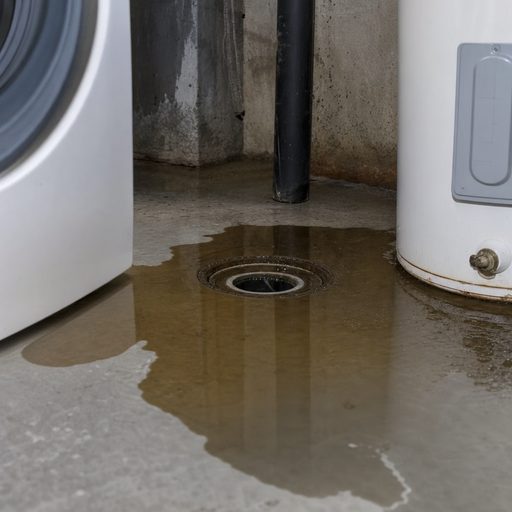
- Sewage is backing up into tubs or floor drains
Causes or scope drivers to inspect
- Tree and shrub roots intruding into the line
- Pipe collapse, cracks, or separated joints
- Grease and debris buildup over years
- Bellied or sagging sections that trap waste
- Aging clay or cast iron sewer pipes
Comparing a sewer line repair quote
For sewer line repair in South Dakota, compare itemized quotes for the same inspected scope. Access, testing, equipment or parts, permits, restoration, and urgency can affect the final price.
Typical sewer line repair costs
| Project | Typical cost range |
|---|---|
| Main line cleaning (snaking) | $185–$670 |
| Spot / section repair | $1,250–$5,500 |
| Full line replacement | $6,500–$32,500 |
Cost ranges are estimates developed from standardized project scopes and reviewed pricing inputs. Government labor and regional cost data are used where applicable. See our Pricing Methodology for the exact sources, calculations, and review date. Actual prices vary by property, scope, materials or equipment, location, and provider.
What affects the cost
- The cause, from root intrusion to a collapsed pipe
- Depth and length of the affected line
- Repair method (clearing, spot repair, trenchless lining or bursting, or full replacement)
- Whether the line can be accessed trenchlessly or needs an open trench
- Yard, driveway, and landscaping restoration after a dig
- Permits and local inspection requirements
- Regional labor rates
State guidance for South Dakota
For sewer line repair in South Dakota, prepare private lateral responsibility, cleanout access, excavation or lining access, and restoration scope. Confirm the inspected scope, credentials, permits, inspections, exclusions, and restoration responsibility before authorizing work.
Credential verification
Plumbing is regulated by the South Dakota Plumbing Commission, which operates within the state Department of Labor and Regulation. For most plumbing work, hiring a state-licensed plumber or plumbing contractor is the safe choice, and the commission publishes lists of licensees so you can confirm credentials.
The commission issues a range of classifications, including Plumbing Contractor, Plumber, Apprentice, and specialty categories such as Sewer and Water and Water Conditioning. A plumbing contractor license is generally what allows a business to operate and supervise others, so it is fair to ask which license a company and the individual on your job hold.
Permits and inspections
Permit and inspection requirements in South Dakota are unusual: state plumbing inspectors from the Plumbing Commission perform inspections in much of the state, and a permitted job typically needs underground, rough-in, and final inspections. Several cities — including Sioux Falls, Rapid City, Aberdeen, and Brandon — run their own inspection programs instead, and local rules can add requirements on top of the state code. Under state law, homeowners may do plumbing work on the single-family residence they live in or are building, but should still confirm inspection requirements. Always check with the commission or your city's inspection office before work begins.
What to expect
- 1Stop using water to prevent further backup
- 2Keep the area around any backup clear and safe
- 3Connect with a plumbing professional that services your area
- 4Have the line inspected, typically with a sewer camera
- 5Review repair options such as clearing, spot repair, or replacement
- 6Confirm flow is restored and the line is sound
Safe checks before the visit
- Stop using water and drains to avoid worsening a backup
- Note whether the whole home or one area is affected
- Keep people and pets away from any sewage
- Do not attempt to dig or open the sewer line yourself
Sewer Line Repair by city in South Dakota
Related plumbing problems
Sewer Line Repair in South Dakota: FAQs
How do I prepare for sewer line repair in South Dakota?
Document whether backups recur across lower fixtures and whether a cleanout inspection can locate the defect and prepare private lateral responsibility, cleanout access, excavation or lining access, and restoration scope. Ask the professional to confirm the inspected scope, credential, permit responsibility, and exclusions in writing.
Does South Dakota guidance diagnose my sewer line repair problem?
No. State information helps with credential, permit, and planning questions. The cause, responsibility, and repair or project scope still need to be confirmed for the specific property.
How do I know if it is my sewer line and not a single drain?
If multiple fixtures back up at once, if draining one fixture causes water to rise in another, or if you notice sewer odors throughout the home, the main sewer line may be involved rather than a single drain.
What is a sewer camera inspection?
A plumbing professional runs a small camera through the line to see the cause and location of a problem, such as roots, a crack, or a collapse. It helps target the repair and avoid guesswork.
Can sewer lines be repaired without digging up my yard?
Sometimes. Trenchless methods can repair or reline a sewer pipe with minimal digging, depending on the line's condition and layout. Ask the professional whether it is an option for your situation.
Is a sewer backup a health hazard?
Yes. Sewage can be unsanitary, so keep people and pets away from any backup, stop using water, and call for help promptly.
Sources
These public and primary references support the state, safety, credential, permit, equipment, or efficiency guidance used here. They do not diagnose a specific property.
- MedlinePlus - Drain cleaner poisoning
- U.S. EPA - Household hazardous waste
- U.S. EPA - Frequent questions on septic systems
- CDC - Guidelines for cleaning safely after a disaster
- CDC - Septic and onsite wastewater systems during floods
- South Dakota Plumbing Commission — licensing
- South Dakota Plumbing Commission — inspections
- South Dakota Plumbing Commission — homeowner plumbing (SDCL 36-25-17)
- City of Sioux Falls — building permits
Sewer Line Repair guides
Learn before planning sewer line repair in South Dakota.
Read related problem, scope, cost, and planning guidance before comparing options.
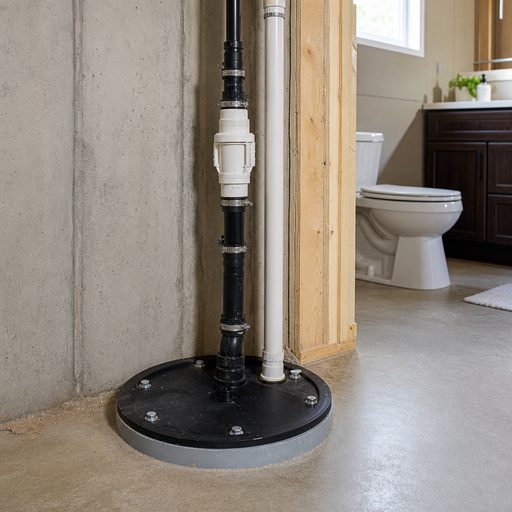
What Does a Sewer Ejector Pump Do (and When Do You Need One)?
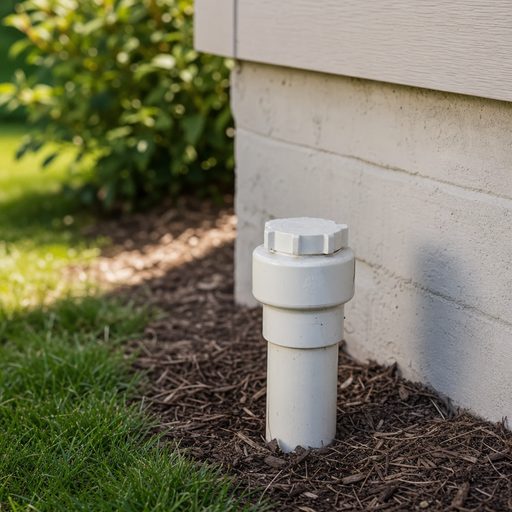
What Is a Sewer Cleanout and Where Do You Find It?
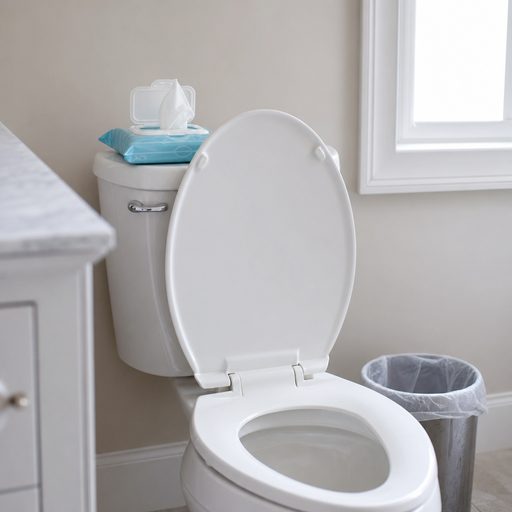
Do Flushable Wipes Really Cause Clogs?
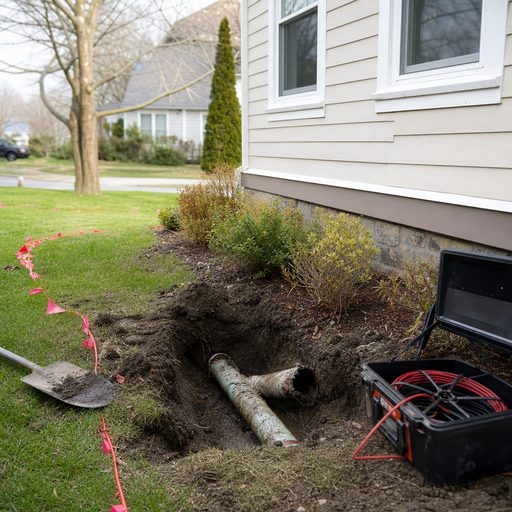
Does Homeowners Insurance Cover Sewer Line Replacement?
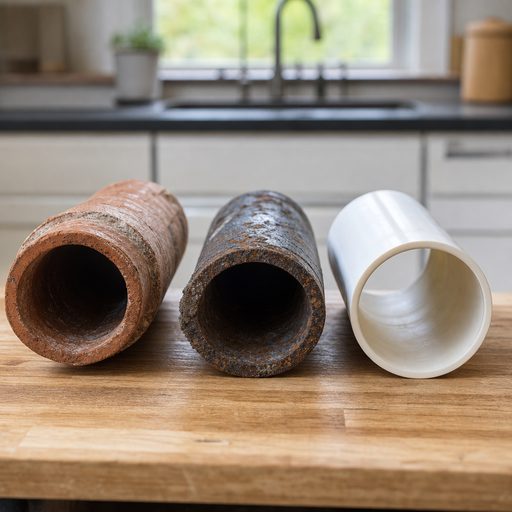
How Long Does a Sewer Line Last by Material?

Is a Clogged Drain a Plumbing Emergency?
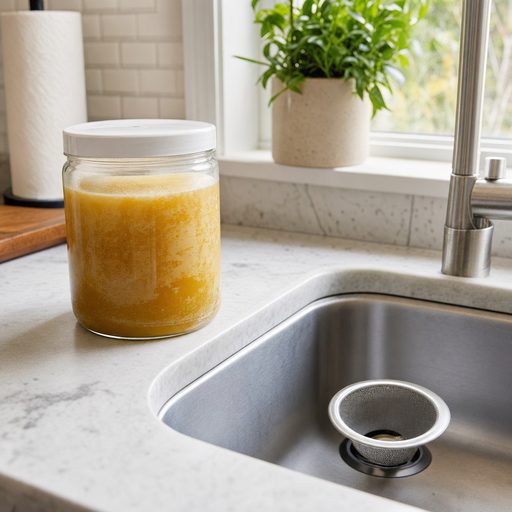
How to Prevent Sewer Line Problems
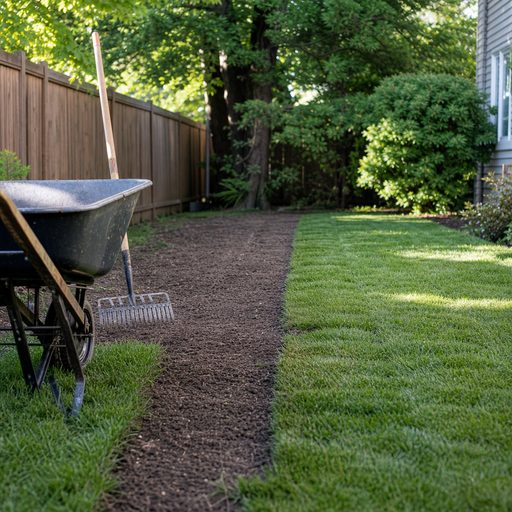
Yard and Landscaping Restoration After Sewer Replacement
Why Are Multiple Drains Clogged at Once?
Need Plumbing Help Now?
Call Plumbing Advisors to connect with help for leaks, drains, water heaters, sewer lines, burst pipes, toilets, faucets, and more.
No-obligation request · Availability varies by location and provider