
Sewer Line Repair
Sewer Line Repair in St. Louis, MO
For sewer line repair in St. Louis, MO, begin with what you can observe: whether backups recur across lower fixtures and whether a cleanout inspection can locate the defect. That information helps define the first inspection without treating a symptom or location as proof of the cause.
Plumbing Advisors provides guidance and connection assistance. Independent providers perform the plumbing work and confirm availability, pricing, timing, and credentials.
On this pageOverview
 Plumbing Advisors Editorial TeamEditorial StandardsSource-Checked
For sewer line repair in St. Louis, MO, begin with what you can observe: whether backups recur across lower fixtures and whether a cleanout inspection can locate the defect. That information helps define the first inspection without treating a symptom or location as proof of the cause.
The quick answer
- Typical cost
- Main line cleaning (snaking) typically costs $170 to $700. The final cost depends on the confirmed scope, access, parts or equipment, labor, timing, and related work.
- Repair or replace
- After a camera inspection, a professional will recommend both how to access the line and how far the work needs to go.
- Get help fast
- Describe the problem and we'll connect you with independent sewer line repair pros serving St. Louis, MO — no obligation.
Sewer Line Repair in St. Louis
Sewer line repair addresses problems in the main pipe that carries waste from your home to the municipal sewer or septic system. Because every drain in the house empties into this one line, trouble here can affect the whole home at once rather than a single fixture. Common causes include tree roots working into joints, cracked or collapsed pipe, separated sections, and bellied stretches that sag and trap waste. A professional typically starts with a camera inspection to see exactly what is wrong and where, which makes the repair far more precise than guesswork.
Sewer problems deserve prompt attention because a backup can be unsanitary and can damage your home. Safe steps for a homeowner are limited: stop using water and drains so the situation does not worsen, keep people and pets away from any sewage, and call a professional. Do not try to dig up, open, or work on the sewer line yourself. It involves buried pipe, contaminated material, and sometimes locating other utilities, all of which a qualified pro is equipped to handle. Your job is to recognize the warning signs and get the right help.
Signs you may need sewer line repair in St. Louis
Multiple drains back up at once
When toilets, tubs, and sinks back up together rather than one at a time, the blockage is usually in the main line that serves them all. This is one of the clearest signs the sewer line is involved.
Sewage odors indoors or in the yard
A persistent sewage smell can mean a cracked or broken line is letting gases escape. Odors in the yard may point to a leak underground along the pipe's path.
Water rises in a fixture when you use another
If flushing a toilet pushes water up into a tub or shower, waste cannot move past a blockage downstream. This back-and-forth between fixtures points toward the main line.
Gurgling toilets and slow drains throughout
Whole-home gurgling and sluggish drains often mean air and water are struggling past an obstruction in the main line. The pattern across the house separates this from a single clogged drain.
Sewage backing up into low drains
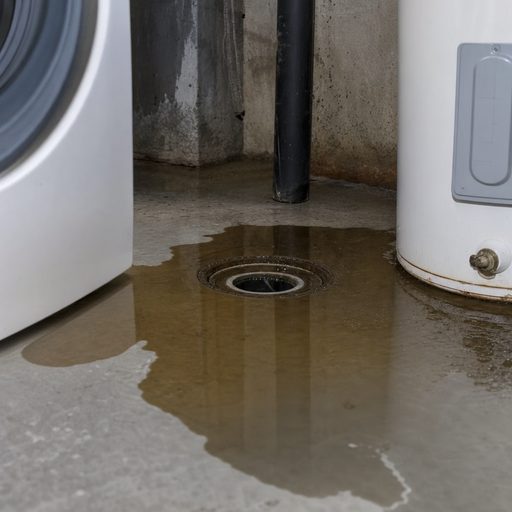
Waste coming up in a basement floor drain, tub, or shower is a serious sign of a main-line blockage or break. Stop using water and keep the area clear until a professional can inspect it.
Unusually lush or sunken spots in the yard
A patch of grass that is greener than the rest, or ground that sinks along the line's path, can indicate a leak or collapse underground. It is worth mentioning when you call for an inspection.
Causes and scope drivers to inspect
- Tree and shrub roots intruding into the line
- Pipe collapse, cracks, or separated joints
- Grease and debris buildup over years
- Bellied or sagging sections that trap waste
- Aging clay or cast iron sewer pipes
Trenchless vs. traditional dig, and repair vs. replacement
After a camera inspection, a professional will recommend both how to access the line and how far the work needs to go. Two related choices shape the job.
Trenchless repair
Trenchless methods repair or reline the pipe with little or no digging, often through existing access points. They can mean less disruption to your yard, driveway, and landscaping. Whether trenchless is an option depends on the pipe's condition, material, and layout, so a pro confirms it after seeing the line on camera.
Traditional dig (open trench)
A conventional dig exposes the pipe so a section can be repaired or replaced directly. It is sometimes the right call for a fully collapsed line, a badly bellied section, or a layout that trenchless cannot reach. It is more disruptive but allows the pro to address damage that other methods cannot.
Repair vs. replacement
A localized crack, root intrusion, or single bad joint can often be spot-repaired or relined. A line that is collapsed, sagging in multiple places, or near the end of its life may be better replaced so the problem does not keep returning. The camera inspection guides this call, and a good pro will explain the trade-offs of each.
How much does sewer line repair cost in St. Louis?
For sewer line repair in St. Louis, MO, compare itemized quotes for the same inspected scope. Access, testing, parts or equipment, permits, restoration, and urgency can change the final price.
Typical plumbing rates in St. Louis, MO
| Service | Typical cost range |
|---|---|
| Service call | $60–$150 per visit |
| Minimum visit charge | $90–$210 per visit |
Hourly labor rates
| Labor | Typical cost range |
|---|---|
| Residential plumbing labor | $85–$165 per hour |
Emergency pricing factors
| Factor | Typical range |
|---|---|
| After-hours or emergency factor | 1.4x–2.3x |
Typical sewer line repair costs in St. Louis, MO
| Project | Typical cost range |
|---|---|
| Main line cleaning (snaking) | $170–$700 |
| Spot / section repair | $1,175–$5,675 |
| Full line replacement | $6,150–$33,350 |
Cost ranges are estimates developed from standardized project scopes and reviewed pricing inputs. Government labor and regional cost data are used where applicable. See our Pricing Methodology for the exact sources, calculations, and review date. Actual prices vary by property, scope, materials or equipment, location, and provider.
What affects the cost
- The cause, from root intrusion to a collapsed pipe
- Depth and length of the affected line
- Repair method (clearing, spot repair, trenchless lining or bursting, or full replacement)
- Whether the line can be accessed trenchlessly or needs an open trench
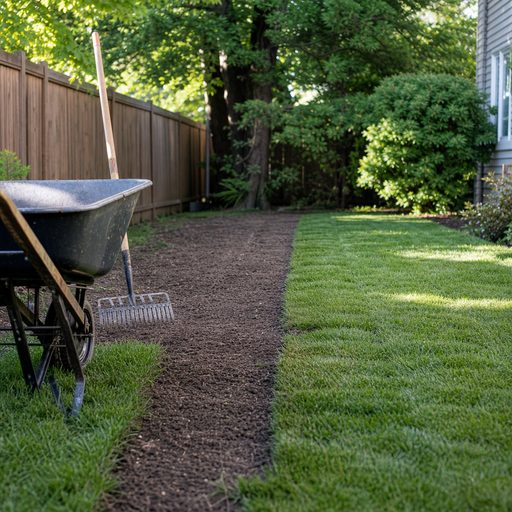
- Yard, driveway, and landscaping restoration after a dig
- Permits and local inspection requirements
- Regional labor rates
Planning sewer line repair in St. Louis
A useful local scenario
For a sewer line repair concern in St. Louis, MO, write down the observable pattern, such as "You smell sewage indoors or in the yard". Include when it began and whether it is isolated or repeated so the professional can choose an appropriate first test for the Missouri address.
Property and access planning
In St. Louis, collect any equipment details, prior findings, and access information related to private lateral responsibility, cleanout access, excavation or lining access, and restoration scope. That preparation helps the professional price the inspected scope instead of a guessed repair. For the St. Louis, MO estimate, ask the professional to identify the inspected component or system, the planned access point, and the exclusions that apply to the St. Louis property.
Credential checks in Missouri
Missouri does not issue a single statewide plumbing license; plumbers are licensed and regulated locally by individual cities and counties. State law (Revised Statutes of Missouri, Chapter 341) sets baseline qualifications and, under RSMo 341.010, requires master and journeyman plumbers working in cities or towns of 15,000 or more inhabitants to first obtain a local certificate.
In St. Louis, the City's Board of Examiners of Plumbers and Drainlayers examines and licenses master plumbers, journeyman plumbers, and drainlayers, and St. Louis County runs its own Board of Plumbing Examiners. Kansas City licenses plumbing contractors and tradespeople through its City Planning & Development department, so the right credential to verify depends on where the work is being done.
Permits and inspections in Missouri
Permit and inspection requirements in Missouri are set locally and vary by city and county. In many jurisdictions a licensed plumber must pull the permit and the work is inspected, while rules for owner-occupied homes differ from place to place. Always confirm requirements with your local building or permitting department before work begins.
Get matched with a sewer line repair pro in St. Louis
Tell us what's going on and we'll connect you with independent sewer line repair help serving St. Louis, MO.
No-obligation request · Availability varies by location and provider
What a sewer line repair visit includes
- A camera inspection to locate and identify the problem
- An explanation of the cause and the recommended options
- Clearing the line when a blockage is the immediate issue
- The chosen repair, such as spot repair, relining, or section replacement
- Any required permits for the work, where applicable
- Restoration of flow and a check that the line is sound
- Cleanup of the work area after the repair
What to expect at the appointment
- 1Stop using water to prevent further backup
- 2Keep the area around any backup clear and safe
- 3Connect with a plumbing professional that services your area
- 4Have the line inspected, typically with a sewer camera
- 5Review repair options such as clearing, spot repair, or replacement
- 6Confirm flow is restored and the line is sound
What to do first
- Stop using water and drains to avoid worsening a backup
- Note whether the whole home or one area is affected
- Keep people and pets away from any sewage
- Do not attempt to dig or open the sewer line yourself
How to choose a sewer line repair pro in St. Louis
- Confirm the professional you are connected with is licensed and insured where your state requires it
- Expect a camera inspection before any major repair is quoted
- Ask for a written, itemized estimate covering method and scope
- Ask whether trenchless and dig options were both considered and why
- Check what warranty is offered on the repair or replacement
- Read recent reviews and look for clear explanations of the trade-offs
How Plumbing Advisors helps
Plumbing Advisors helps you recognize when a problem is in the main sewer line rather than a single drain, then connects you with plumbing professionals that service your area. Because sewer issues can be unsanitary, calling promptly is important. Repair methods, availability, and pricing vary by location and provider.
Sewer Line Repair in St. Louis: FAQs
How should I prepare for a sewer line repair visit in St. Louis, MO?
For the St. Louis, MO visit, prepare private lateral responsibility, cleanout access, excavation or lining access, and restoration scope. Keep the project address and any prior findings available, then ask the professional to confirm the inspected scope and applicable Missouri or local requirements in writing.
What can change a sewer line repair quote in St. Louis, MO?
For St. Louis, MO, one important scope driver is regional labor rates and emergency timing. Access, testing, parts or equipment, permits, restoration, and urgency may also matter. Compare itemized quotes for the same inspected scope rather than relying on an unsupported Missouri price.
Why does sewer repair cost so much?
Sewer lines are buried, sometimes deep, and repairs can require excavation or specialized equipment. The cost reflects the camera diagnosis, the method needed, the length and depth of the line, and the work to restore your yard or driveway afterward. A clear, itemized quote helps you understand it.
Is trenchless repair cheaper than digging?
Trenchless lining and pipe bursting are often priced per foot and can cost less overall once you factor in restoring landscaping, concrete, and hardscape that a traditional dig disturbs. Whether trenchless is an option depends on the pipe's condition, material, and layout, so a pro confirms it after the camera inspection.
Is it cheaper to repair or replace a sewer line?
A localized crack, root intrusion, or single bad joint can often be spot-repaired or relined for less than a full replacement. But a line that is collapsed, sagging in several places, or near the end of its life may be better replaced so the problem does not keep returning. The camera findings guide this call, and a good pro will explain the trade-offs.
How do I know if it is my sewer line and not a single drain?
If multiple fixtures back up at once, if draining one fixture causes water to rise in another, or if you notice sewer odors throughout the home, the main sewer line may be involved rather than a single drain.
What is a sewer camera inspection?
A plumbing professional runs a small camera through the line to see the cause and location of a problem, such as roots, a crack, or a collapse. It helps target the repair and avoid guesswork.
Can sewer lines be repaired without digging up my yard?
Sometimes. Trenchless methods can repair or reline a sewer pipe with minimal digging, depending on the line's condition and layout. Ask the professional whether it is an option for your situation.
Sources and local references
These primary and public-agency references support the safety, credential, permit, efficiency, equipment, or local-system guidance used on this page. They do not diagnose a specific property.
- MedlinePlus - Drain cleaner poisoning
- U.S. EPA - Household hazardous waste
- U.S. EPA - Frequent questions on septic systems
- CDC - Guidelines for cleaning safely after a disaster
- CDC - Septic and onsite wastewater systems during floods
- Revised Statutes of Missouri, Chapter 341 — Plumbers and Plumbing
- City of St. Louis — Plumbers and Drainlayers, Board of Examiners
- St. Louis County — Plumbing Licensing (Board of Plumbing Examiners)
- City of Kansas City — Contractor Licensing (City Planning & Development)
- KC Water — Water Quality Topics (hardness)
Problems that may lead to sewer line repair
Sewer Line Repair in nearby cities







Sewer Line Repair guides
Learn before your sewer line repair in St. Louis.
Free guides on cost, common problems, repairs, and what to expect — written to help you make the call with confidence.
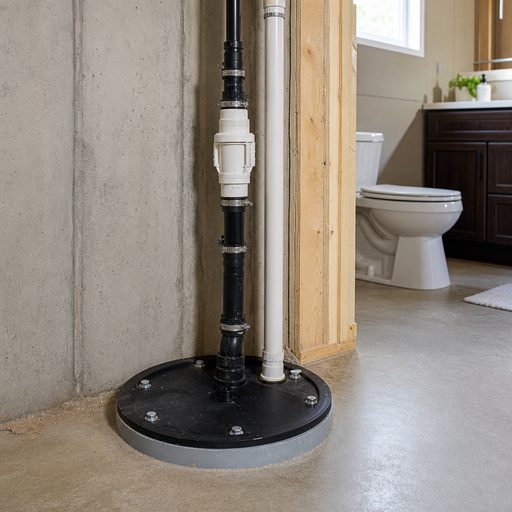
What Does a Sewer Ejector Pump Do (and When Do You Need One)?
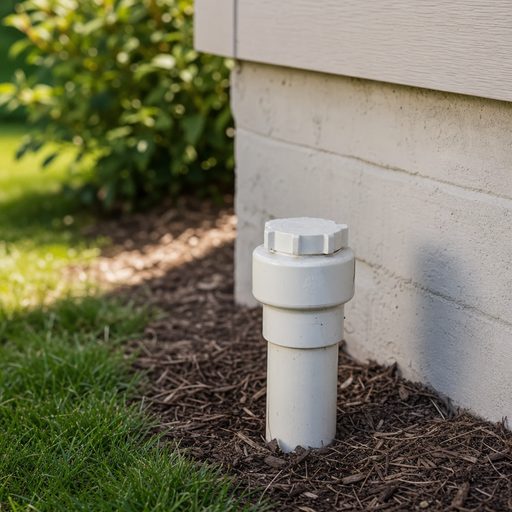
What Is a Sewer Cleanout and Where Do You Find It?

Do Flushable Wipes Really Cause Clogs?
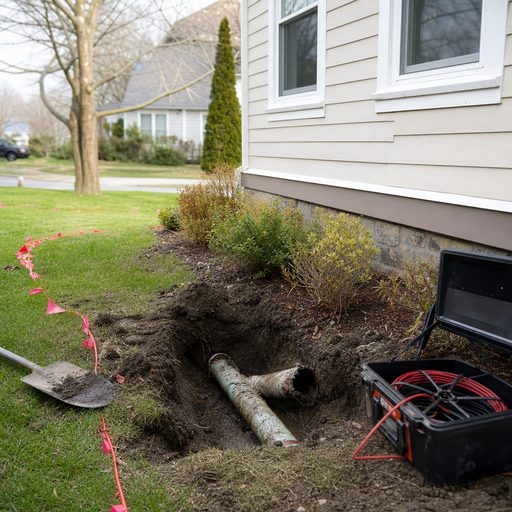
Does Homeowners Insurance Cover Sewer Line Replacement?
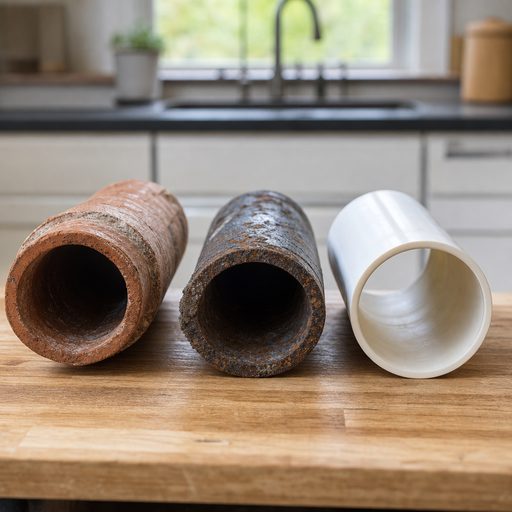
How Long Does a Sewer Line Last by Material?

Is a Clogged Drain a Plumbing Emergency?

How to Prevent Sewer Line Problems
Yard and Landscaping Restoration After Sewer Replacement
Why Are Multiple Drains Clogged at Once?
Need Plumbing Help Now?
Call Plumbing Advisors to connect with help for leaks, drains, water heaters, sewer lines, burst pipes, toilets, faucets, and more.
No-obligation request · Availability varies by location and provider