 Plumbing Advisors Editorial TeamEditorial StandardsUpdated July 5, 2026Source-Checked
Yes—wipes labeled flushable are a leading cause of drain and sewer clogs, and they are not safe to flush. Even when the label says flushable, wipes do not break down like toilet paper. They stay strong long enough to catch on rough pipe joints, roots, scale, or grease, where they can build into stubborn clogs in your drain or sewer line.
Why do flushable wipes clog pipes?
The problem is not whether a wipe will make it past the toilet bowl. Many do. The problem is what happens farther down the line. Toilet paper is designed to lose strength quickly in moving water, but wipes are made to stay intact while wet. That added strength helps them do their job before disposal, but it also means they can travel through plumbing as a sheet of fabric-like material instead of dispersing into small fibers.
Once a wipe reaches a rough spot, it can snag and stay there. Common trouble spots include old cast-iron pipe with interior scale, offsets at joints, partial root intrusion, and belly sections where wastewater slows down. A single wipe may not cause an immediate backup, but repeated flushing lets more wipes catch on the first one. Over time, that mat traps toilet paper and waste, turning a small obstruction into a full clog.
Are some homes more at risk than others?
Yes. Older homes tend to have more risk because their drain and sewer pipes are more likely to have rough interiors, settled sections, or root intrusion. Even if the toilet seems to flush normally, the line may already have conditions that make wipes more likely to hang up. Homes with long lateral runs to the street, heavy tree coverage, or a history of slow drains are also more vulnerable.
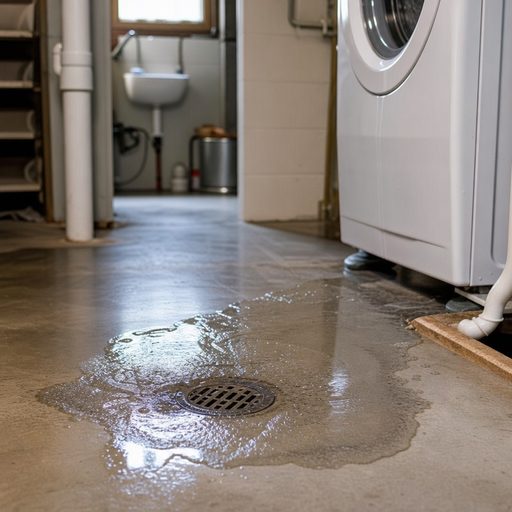
Newer homes are not immune. A wipe can still catch at a fitting, combine with paper and debris, or contribute to a blockage in the municipal sewer. If your house has had recurring toilet backups, tub gurgling, or wastewater appearing at a basement drain, wipes may be part of a larger main-line problem. In those cases, the difference between a bathroom issue and a sewer issue matters. The guide Single-Fixture Clog vs. Main-Line Clog: How to Tell can help you understand the signs.
What makes wipes even worse when grease is involved?
Wipes become especially problematic when they mix with fats, oils, and grease. As grease cools, it sticks to pipe walls and to anything fibrous moving through the line. A wipe gives that grease something to cling to, creating a sticky mass that grows with every flush and every rinse of food residue. This is one reason wipes contribute to the large sewer blockages often called fatbergs.
Inside a home drain, that buildup may start as a slow toilet or occasional backup in a shower or tub. In a sewer lateral, it can reduce flow enough that solids begin collecting behind it. The safest habit is simple: only the 3 Ps go down the toilet—pee, poop, and toilet paper. For broader prevention tips around sinks, tubs, and toilets, see How to Prevent Clogged Drains.
- Flush only the 3 Ps: pee, poop, and toilet paper.
- Put wipes, paper towels, tissues, and hygiene products in the trash.
- Never pour grease or cooking fat down a drain.
- Pay attention to slow drains, gurgling, or frequent toilet backups.
- If one toilet backs up repeatedly, stop flushing wipes entirely and watch for other fixtures acting up.
What should you do if wipes may already be causing a clog?
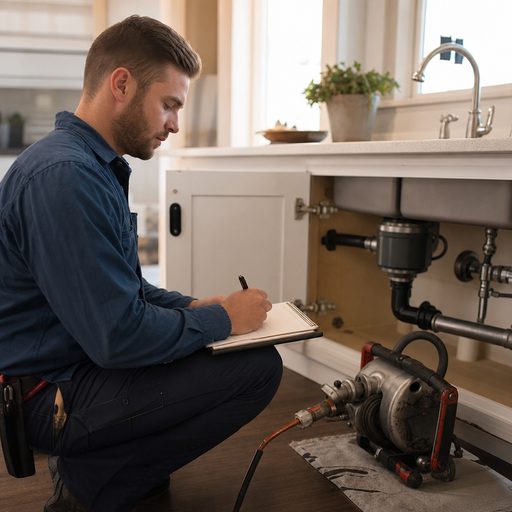
Start by stopping the source. Do not flush any more wipes, even if the packaging says septic-safe or sewer-safe. If you are seeing slow flushing, bubbling at nearby fixtures, or repeated backups, the blockage may be partly formed and getting worse. A professional can determine whether the problem is in the toilet trap, branch drain, or main sewer line and recommend the right next step.
For a localized bathroom blockage, service such as Clogged Drain or Drain Cleaning may clear the obstruction before it turns into a larger backup. If wipes have been catching on roots, broken pipe, or a collapsed section, the issue may point to Sewer Line Repair rather than repeated clearing. When homeowners want to compare options, the related guide How Much Does Professional Drain Cleaning Cost? explains what affects the scope of the work without assuming every clog needs the same approach.
Do not rely on labels alone
“Flushable” on packaging does not mean a wipe breaks down like toilet paper in real plumbing systems. If your home has older piping, roots, or past backups, flushing wipes adds avoidable risk.
What is the safest rule for your toilet?
Treat wipes as trash, not as toilet paper. That includes baby wipes, cleaning wipes, makeup remover wipes, disinfecting wipes, and most personal hygiene wipes. Even if a product can pass through a toilet trap, that does not make it safe for your home’s drain line or the public sewer. The safest rule is the one plumbers repeat for a reason: flush only human waste and toilet paper.
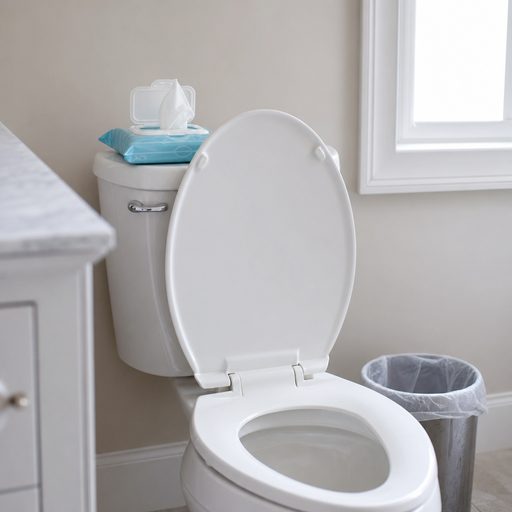
If your household prefers wipes for comfort or cleanup, keep a lined trash can with a lid near the toilet and empty it regularly. That small habit is much easier than dealing with an overflowing toilet or a sewer backup. When clogs do happen, recurring symptoms deserve attention because repeated clearing without fixing the cause can let pipe damage or root intrusion go unnoticed.
Can flushable wipes make it through the toilet but still block the sewer line?
Yes. A wipe may pass the toilet trap and even the branch drain, then catch farther away where the pipe is rougher or flow is slower. That is why people are often surprised by wipes-related clogs. The toilet seems to work until enough material collects in the drain or sewer lateral to restrict flow and trigger a backup.
Are septic-safe wipes okay if you have a septic system?
They are still risky. Septic systems depend on waste separating and moving predictably, and wipes do not disperse like toilet paper. They can remain intact in the tank, interfere with pumps or filters in some systems, and add maintenance issues. If a product is a wipe, the safer choice is disposal in the trash rather than the toilet.
What are the signs that wipes may be contributing to a main-line problem?
Watch for repeated toilet backups, gurgling when another fixture drains, water appearing in a tub or shower after flushing, or multiple fixtures draining slowly at once. Those symptoms suggest a blockage deeper in the system than a single toilet. A one-time clog can happen for many reasons, but repeated whole-bathroom symptoms deserve prompt evaluation.
Will occasional flushing really matter if everything seems to be working?
It can. Wipes-related problems often build gradually, especially where there is already scale, grease, or root intrusion. A line may seem fine until one more wipe catches and starts collecting paper and waste behind it. Plumbing usually gives some warning—slower drains, intermittent backups, or gurgling—before a complete stoppage occurs.
Sources and further reading
These references support material safety, technical, consumer, or planning guidance in this article. Confirm property-specific requirements with the applicable authority and professional.